

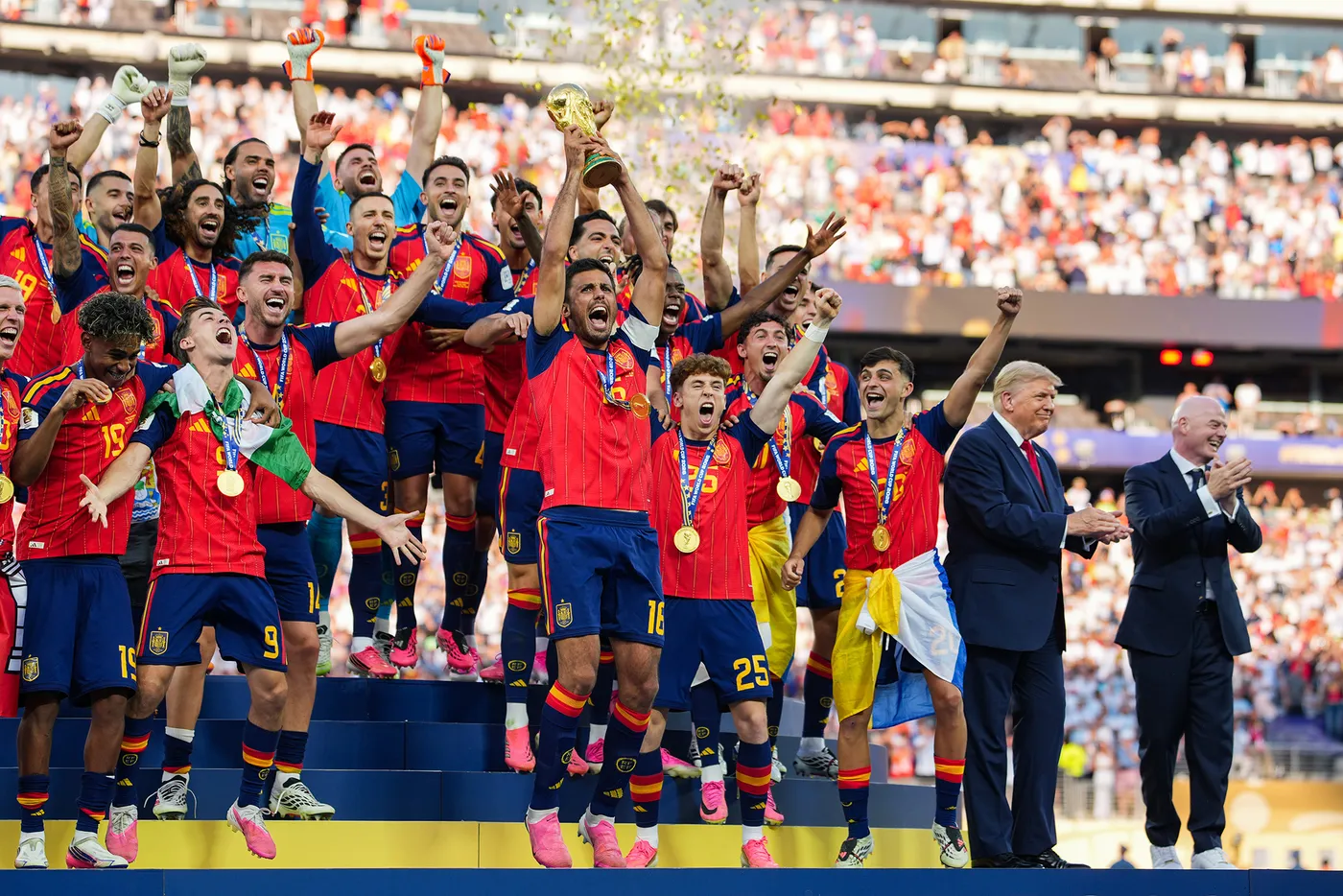

The 2026 FIFA World Cup ended with Spain lifting the trophy and FIFA celebrating record earnings. The tournament delivered exciting football, huge crowds and billions of dollars in revenue. It also faced several controversies along the way.
Spain won its second World Cup title after beating Argentina 1-0 in extra time on Sunday. The victory brought the curtain down on what FIFA described as the most profitable sporting event ever.
FIFA raised its four-year revenue forecast by about $2 billion. This comes on top of earlier World Cup revenue estimates of around $9 billion.
Record Crowds and Strong Fan Support
More than 15 million people attended matches and fan festivals during the tournament. That made it the biggest World Cup ever in terms of attendance.
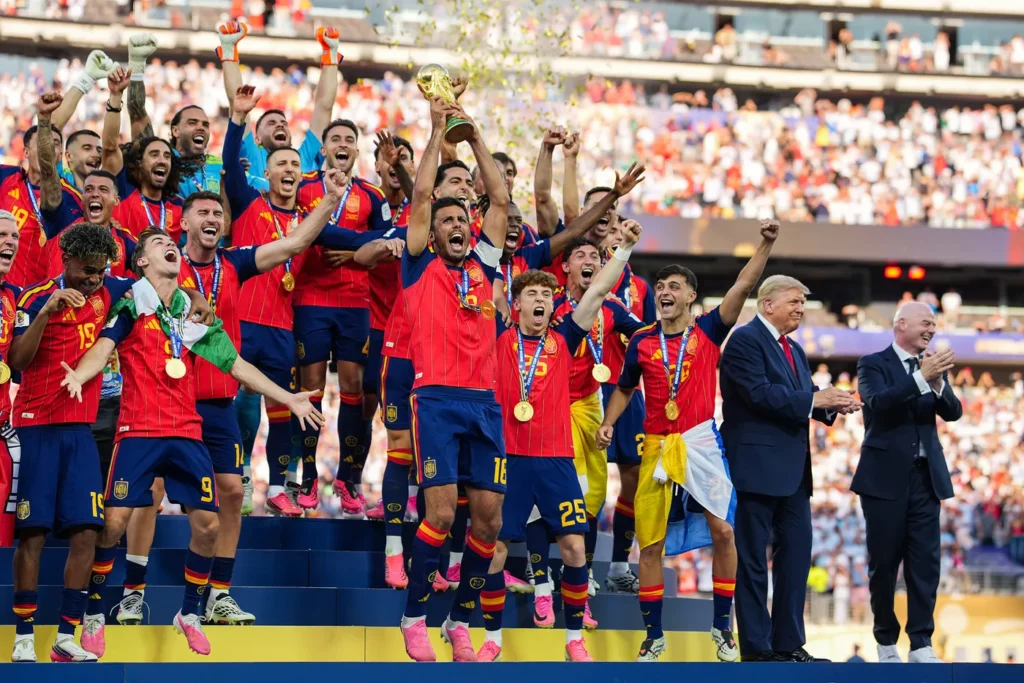
Fans continued to fill stadiums despite record-high ticket prices. The expanded 48-team format also created several surprise stories. Seven nations reached the knockout stage for the first time.
Many visiting supporters praised the United States for hosting the event. Their positive feedback came despite concerns over visas, immigration policies and other political issues.
Balogun Case Sparks Criticism
One of the biggest controversies involved U.S. striker Folarin Balogun.
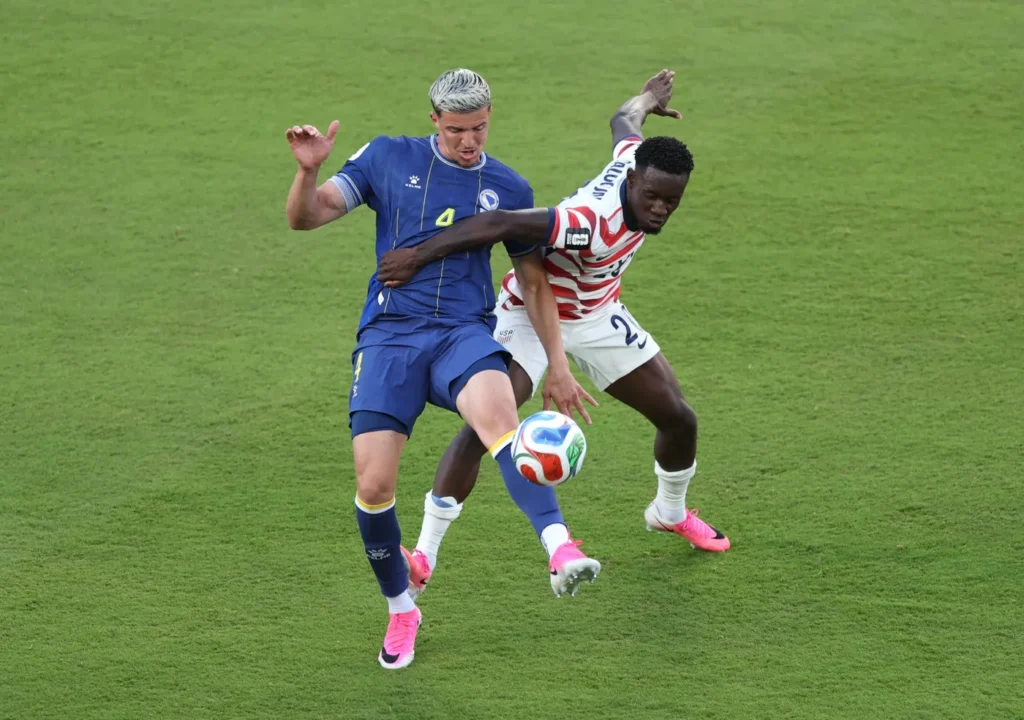
Balogun faced a one-match suspension after receiving a red card against Bosnia and Herzegovina. During the knockout stage, President Donald Trump intervened and asked FIFA to reconsider the punishment.
FIFA’s disciplinary committee later suspended the ban for a year. The move allowed Balogun to play against Belgium.
The decision drew criticism from many fans. They questioned FIFA’s independence and accused the organisation of mixing politics with sport.
“I think they should fire the FIFA president,” said Chloe Ligsay, a 22-year-old soccer player from California who was visiting New York and wearing a US men’s national team jersey. “I think politics should stay out of sports.”
The controversy faded after Belgium defeated the United States 4-1.
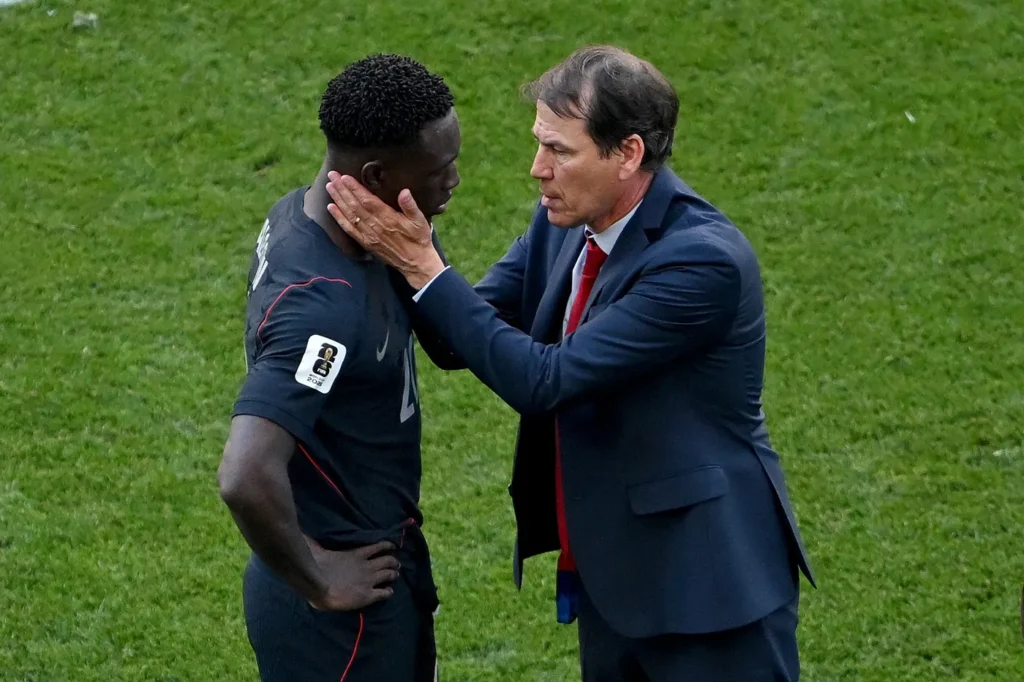
After the match, Belgium coach Rudi Garcia spoke about a conversation with Balogun.
“He came to talk to me. I really liked that,” said Garcia. “It is not his fault; he is not the one to blame, and that’s what I told him.”
FIFA Finds New Ways to Earn
The World Cup was also a commercial success.
FIFA introduced dynamic ticket pricing. The system raised prices when demand increased. The organisation also earned money from food and beverage sales, ticket resales and special World Cup merchandise.
Hydration breaks became another talking point. FIFA said they were introduced to protect players from extreme heat. Critics argued that the breaks also created more advertising opportunities for broadcasters.
Bigger Revenues, Bigger Ambitions
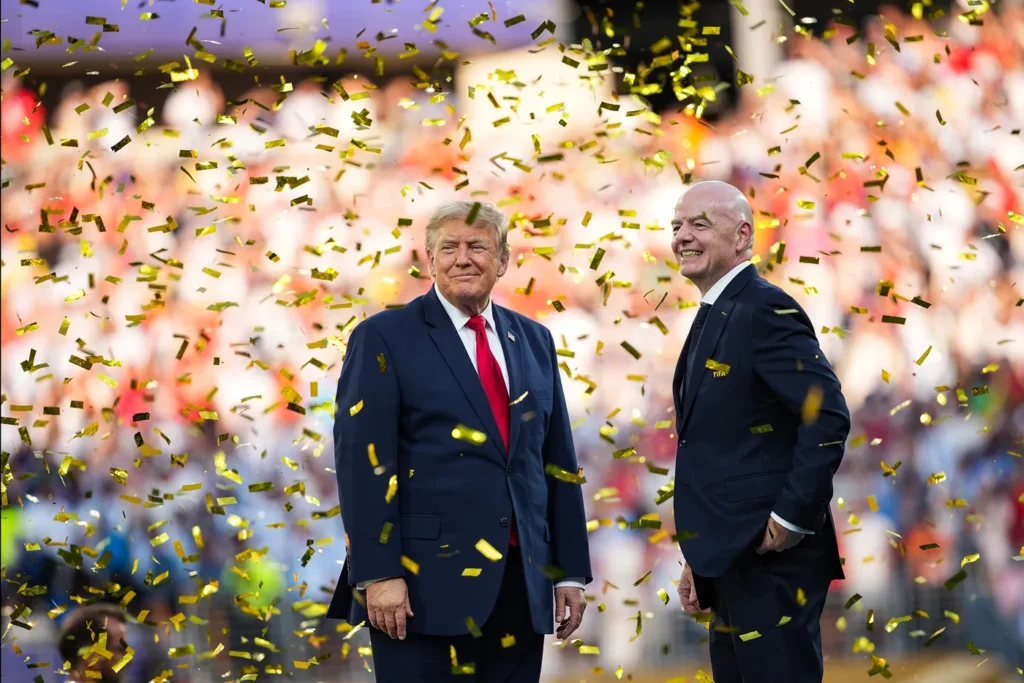
FIFA President Gianni Infantino defended the organisation’s strategy. He said higher revenues help develop football around the world.
“We want to generate more revenues, and we have to generate more revenues, because in the vast majority of the world, in 80% of the world, if we don’t invest, if we don’t believe, nobody will,” Infantino said. “If not, the concentration will always go to a few, big countries, and we will remain as we are.”
Media companies also benefited from the tournament’s popularity.
“We had high expectations,” said Cesar Conde, chairman of NBCUniversal News Group. “But I don’t think we even in our dream had the expectation it would be this passionate a fan base here in the US.”









Leave a Reply