

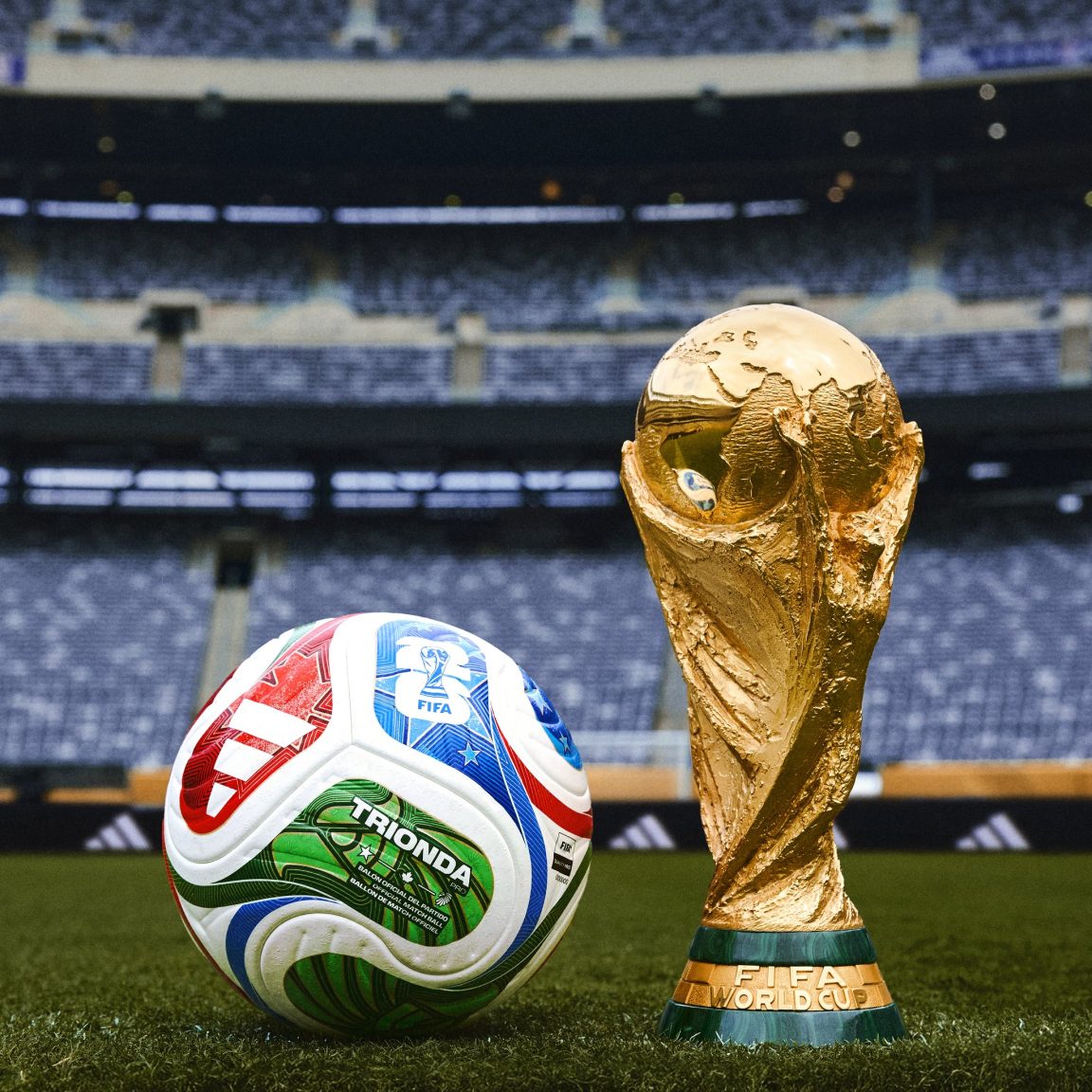

A tournament built on global passion is starting to feel out of reach for the very fans who define it. As anticipation builds for the FIFA World Cup 2026, conversations are shifting away from football and toward cost and what that cost could mean for the tournament’s atmosphere and appeal.
Recent resale listings, particularly for headline fixtures at venues like MetLife Stadium, have raised eyebrows worldwide, with prices climbing into staggering territory. Concerns are growing that everyday supporters, especially from football-heavy regions like Africa, could be left watching from afar because the World Cup prices have gone as high as 2,2 million Dollars
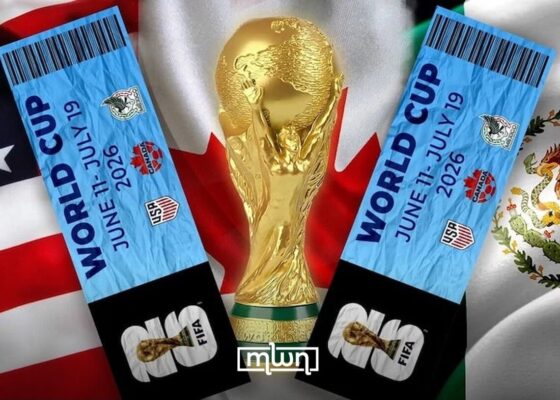
For many African nations, qualifying for the World Cup is a moment of pride and unity. But the rising cost of attendance risks turning that achievement into a distant celebration. Fans who would typically bring colour, music, and unmatched energy into stadiums may not make the journey this time. And without that presence, the tournament risks losing part of its identity.
Beyond the stands, there’s also the business side. The current pricing trend assumes demand will match the numbers. But if tickets remain out of reach, host cities could face quieter-than-expected stadiums, reduced tourism buzz, and a less electric global broadcast. For an event that thrives on spectacle, that’s a gamble.
At the same time, questions around the tournament’s entertainment direction are beginning to surface.
Unlike leagues such as the National Football League and National Basketball Association, where halftime shows double as global pop culture moments, the World Cup has largely stayed traditional. However, reports that co-hosts Mexico and Canada were not aligned on introducing large-scale halftime performances have added another layer to the conversation.
The disagreement itself is telling. It points to a broader lack of clarity on how the tournament should evolve in today’s entertainment-driven landscape. For a global audience now used to sports doubling as spectacle, that uncertainty may affect how the event is perceived, especially when combined with already rising costs.
None of this takes away from what the World Cup represents. It will still command massive viewership and deliver unforgettable football moments. But perception matters, particularly for an event that prides itself on inclusivity.







Leave a Reply