

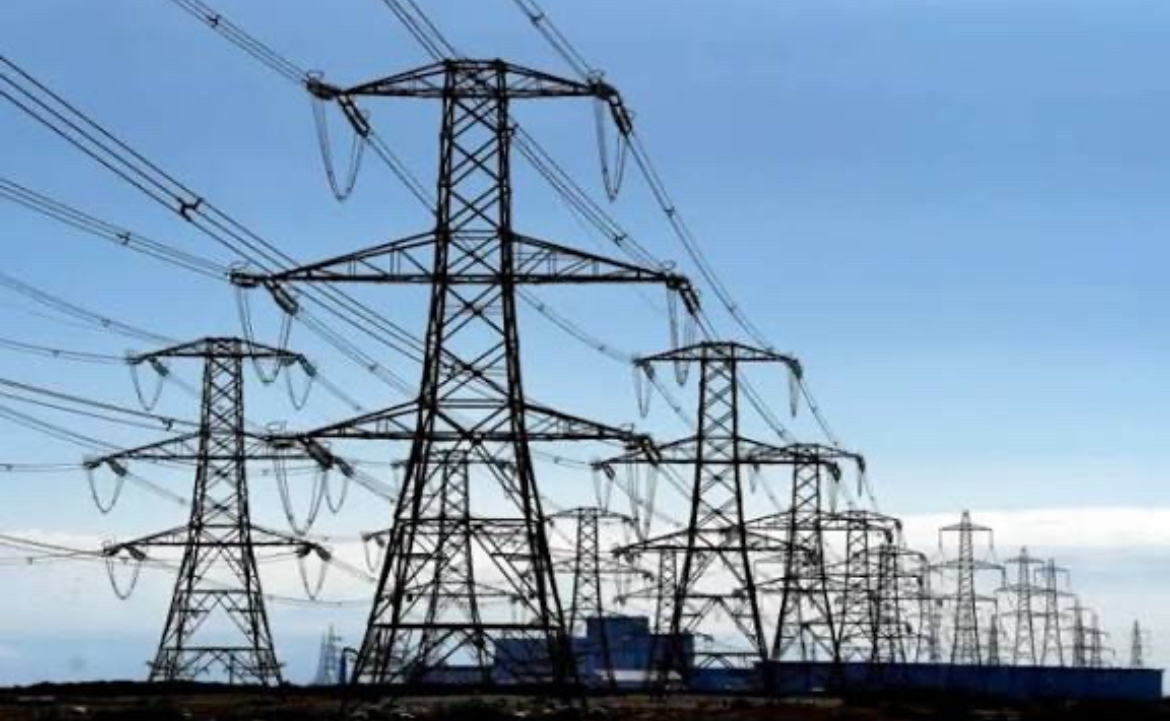

The Nigeria National Grid has attributed the persistent poor electricity supply across the country to inadequate gas supply to thermal power plants.
In a recent update on the state of power generation, officials explained that many thermal generating plants are unable to operate at full capacity due to irregular or insufficient gas delivery. Thermal plants, which account for a significant portion of Nigeria’s electricity generation, rely heavily on steady gas supply to function efficiently.
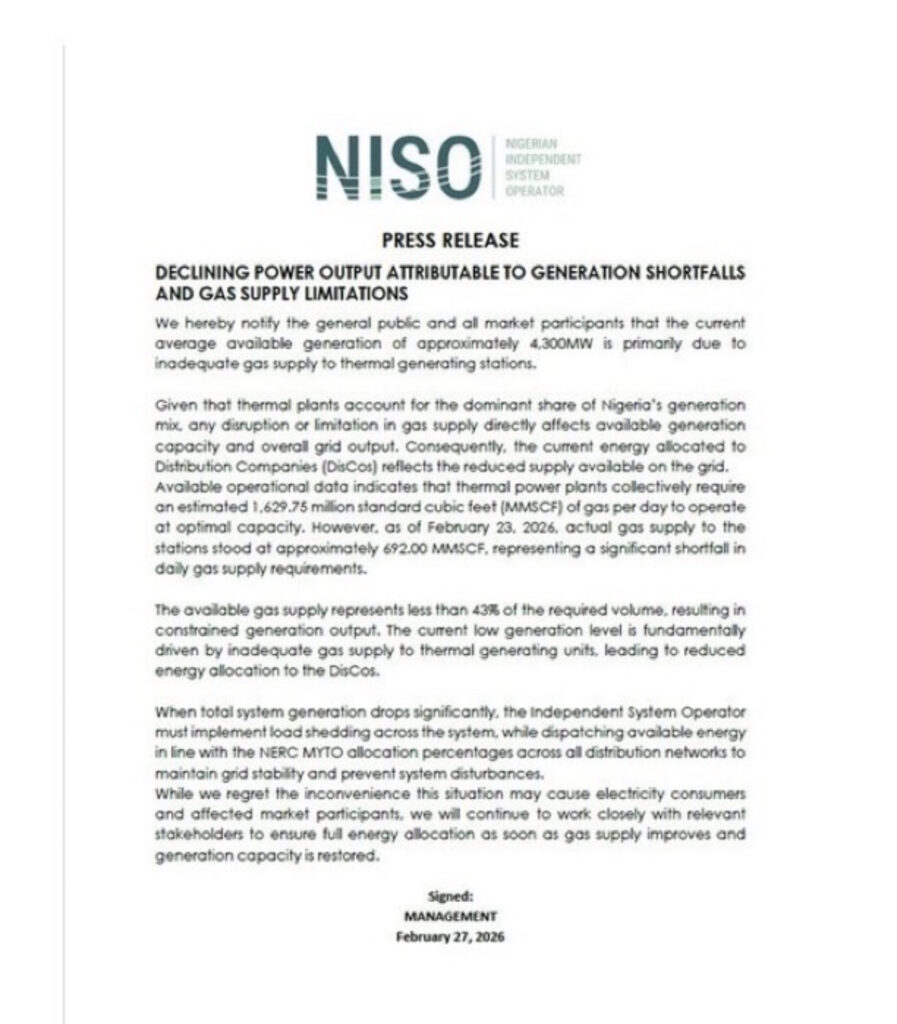
According to industry data, Nigeria’s installed generation capacity far exceeds what is currently being transmitted and distributed. However, gas constraints continue to limit actual output, leading to lower megawatt generation and widespread power shortages.
Nigeria’s electricity value chain involves generation, transmission and distribution. While the Nigeria National Grid manages the transmission network, generation companies depend on gas producers and suppliers to power thermal stations.
Officials said disruptions in gas pipelines, maintenance challenges, payment disputes and infrastructure gaps often result in reduced gas flow to power plants. When gas supply drops, plants either scale down operations or shut down temporarily, directly affecting electricity supply to homes and businesses.
Energy analysts note that hydro power stations can only contribute a limited share, especially during dry seasons when water levels fall. This makes thermal plants critical to maintaining stable national grid performance.
Recent grid fluctuations and load shedding across several states have heightened public concern. Many consumers continue to report prolonged blackouts, voltage instability and inconsistent supply despite tariff adjustments in some service bands.
The continued electricity challenges have significant economic implications. Small businesses and manufacturers increasingly rely on alternative power sources such as diesel and petrol generators, which significantly raise operating costs.
Experts argue that improving gas infrastructure, securing pipelines and ensuring timely payments across the power value chain are essential steps toward stabilising electricity generation. They also stress the need for broader reforms to strengthen coordination between gas producers, generation companies and transmission authorities.
The Federal Government has repeatedly stated its commitment to boosting power supply through sector reforms and investment in generation and transmission capacity. However, stakeholders insist that without consistent gas availability, improvements in installed capacity may not translate into reliable electricity for consumers.
Energy sector observers believe resolving gas supply bottlenecks could unlock thousands of megawatts currently stranded due to fuel shortages.
For now, the message from grid authorities is clear: until gas supply to thermal plants becomes stable and predictable, Nigerians may continue to experience erratic power supply despite existing infrastructure.









Leave a Reply