

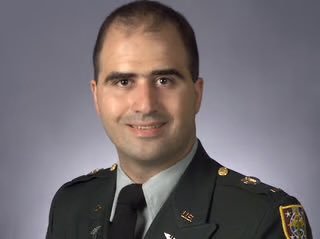

President Donald Trump has cancelled the Pentagon’s plan to livestream Nidal Hasan’s firing squad execution, following widespread criticism across America. Trump announced the reversal on October 15, saying the execution will proceed as scheduled, but officials will not broadcast it.
Hasan, an Army major, was convicted of killing thirteen people and injuring thirty-two others in the 2009 Fort Hood shooting. The attack occurred at the Texas military installation, where soldiers prepared for deployment, and shocked communities across the United States.
Defense Secretary Pete Hegseth promoted the livestream plan, arguing that visibility could deter terrorism and demonstrate consequences for violent attacks. However, the proposal triggered widespread bipartisan opposition, with lawmakers, religious leaders, survivors, and members of the public questioning the decision.
Critics warned that broadcasting an execution could turn a solemn legal process into a spectacle and potentially provide extremist propaganda. Trump acknowledged those concerns in his announcement, noting that many people would rather not watch a person die through streaming. He also said the victims’ immediate families could attend the execution in person if they wished to witness it themselves.
The Pentagon confirmed that Hegseth supports Trump’s decision, describing the president and defense secretary as fully aligned despite the reversal. Hasan’s execution would mark the first United States military execution since 1961 and the first firing squad execution since 1945.
The case has renewed debate over capital punishment, military justice, public accountability, and the limits of government transparency in executions. Although Trump rejected the livestream, he maintained that Hasan would face the scheduled punishment, subject to any legal developments ahead.
Legal experts note that appeals or other court proceedings could affect the December date, and the final timeline remains uncertain. The decision ends the controversial livestream proposal, but questions about execution policy and public access to military justice will continue.








Leave a Reply