

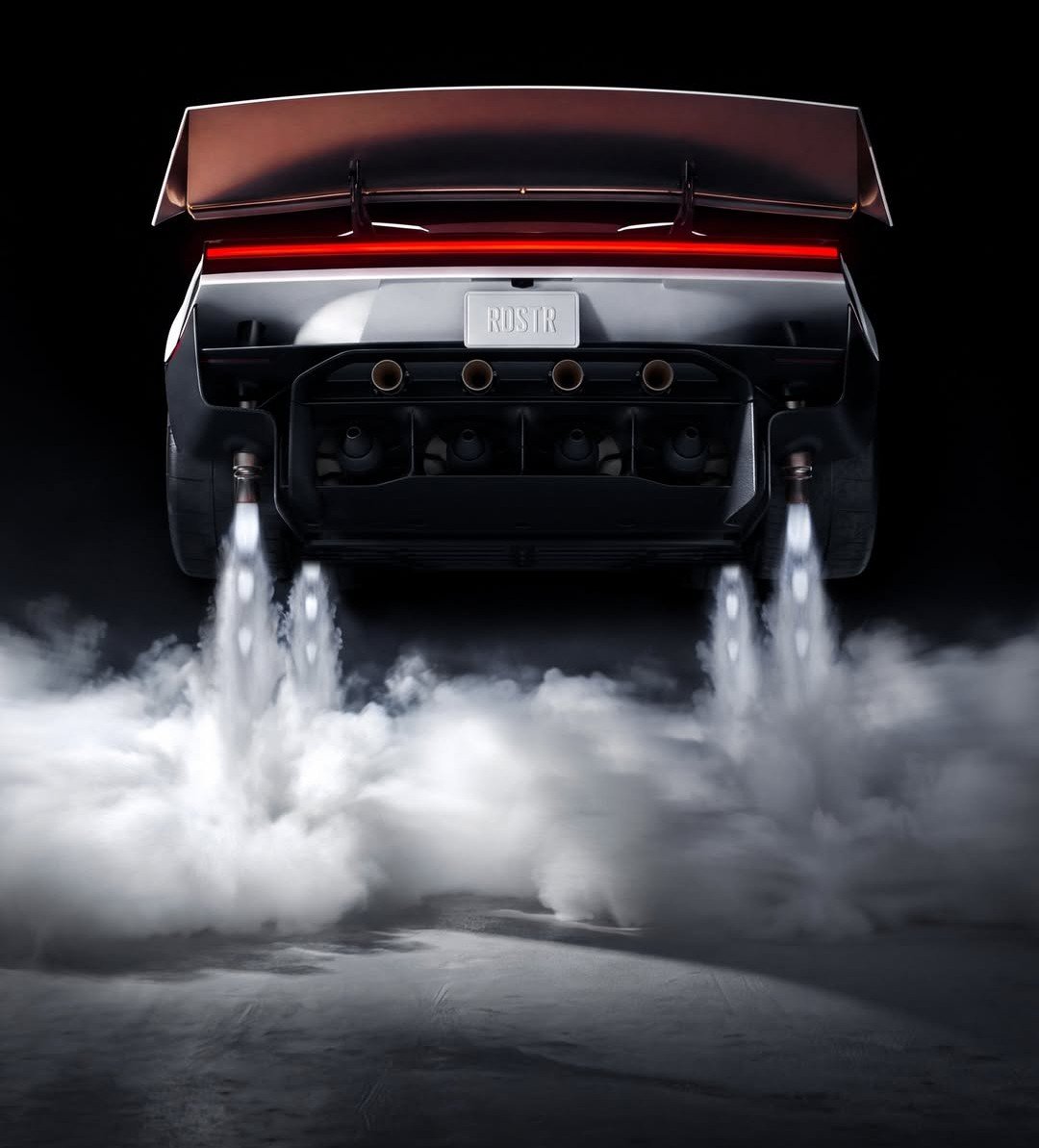

Elon Musk unveils Tesla Roadster with flying-car demonstration, showcasing a redesigned sports car equipped with SpaceX-inspired thrusters at Texas event. At the October 15 reveal, the vehicle lifted, flipped through the air, and landed using built-in thrusters during a demonstration.
Tesla developed the next-generation Roadster alongside SpaceX, combining electric performance with rocket-style technology intended to enable short airborne manoeuvres potentially. The demonstration also showed the car driving upside down along a ramp, using an underbody suction system to maintain contact.
Musk described the vehicle as a breakthrough, while emphasizing its engineering ambition rather than promising mass-market availability to everyday drivers. According to Tesla, the Roadster can accelerate from zero to sixty miles per hour in less than one second reportedly.
The company also claims a top speed above 230 miles per hour and range exceeding 300 miles on one charge. However, Tesla has not established that the airborne features will meet ordinary road-safety rules or become legal for public-road use.
Production is currently targeted for 2028, nearly a decade after Tesla first revealed the next-generation Roadster concept publicly in 2017. The development timeline has attracted scrutiny, as earlier delivery targets passed without the vehicle reaching customers or entering full production.
Tesla displayed configurations including a Performance model and a Thrust version featuring acceleration thrusters, while reserving a variant for buyers. Reported reservation deposits range from fifty thousand dollars to 250 thousand dollars, although final pricing and delivery details remain unclear.
The launch gives Tesla a high-profile showcase as the automaker increasingly emphasizes autonomous driving, robotaxis, and humanoid robotics alongside AI. Some analysts view the Roadster as a technology statement designed to highlight engineering capabilities rather than deliver near-term financial returns.








Leave a Reply