

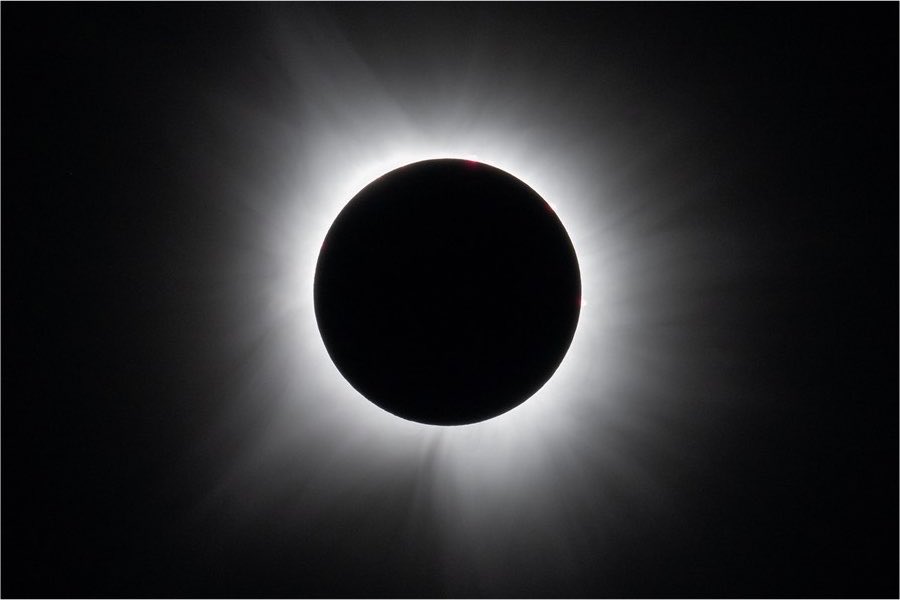

The total solar eclipse 2026 arrives today, August 12, bringing a rare celestial spectacle across several European destinations and regions. The eclipse’s path of totality will cross Greenland, Iceland, northern Spain, and parts of Portugal during Wednesday’s astronomical event.
Meanwhile, millions across Europe can witness partial phases, including observers throughout the United Kingdom and other northern European locations today. For viewers inside totality, the Moon will completely cover the Sun, briefly turning daytime skies dramatically darker during the event.
Outside that narrow path, observers will see only part of the Sun disappear behind the Moon during maximum eclipse. This total solar eclipse 2026 marks the first total eclipse visible from mainland Europe since August 11, 1999, creating excitement.
Astronomy enthusiasts have prepared viewing locations across affected regions, hoping for clear skies during the brief period of totality today. Experts continue urging viewers to use certified eclipse glasses because looking directly toward the Sun can cause permanent eye damage.
The event offers photographers and skywatchers an exceptional opportunity to capture one of nature’s most spectacular astronomical phenomena safely. Although totality lasts only briefly, the surrounding partial phases extend the viewing experience for audiences across much wider geographical areas.
Northern North America will also experience partial eclipse conditions, extending the celestial event beyond Europe into additional territories today. For many European observers, however, the total solar eclipse 2026 represents a rare opportunity to witness complete daytime darkness.
As the Moon crosses between Earth and Sun, viewers can expect changing light levels, cooler temperatures, and unusual atmospheric conditions. The eclipse provides scientists and astronomy enthusiasts another opportunity to study solar activity while engaging millions around the world.
With proper eye protection and favorable weather, today’s event promises a memorable astronomical experience for viewers across Europe.









Leave a Reply