


Nigeria’s fuel market is witnessing another major shift as the Dangote Refinery has reduced the ex-depot price of Premium Motor Spirit (PMS), popularly known as petrol, to N774 per litre. The development has sparked conversations across the country, with many Nigerians hopeful that the adjustment could ease the pressure of rising transportation and living costs.
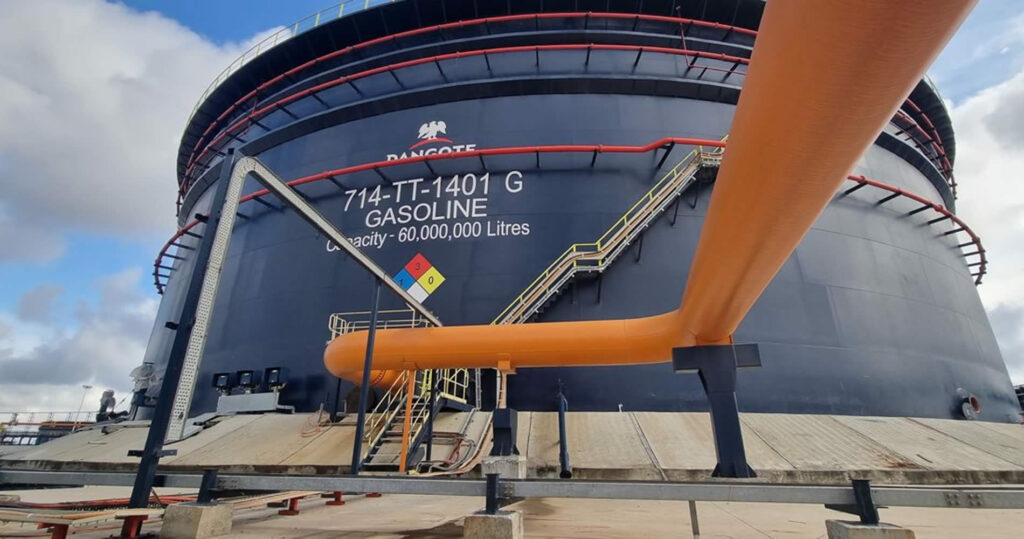
The refinery, which plays an increasingly influential role in the downstream petroleum sector, continues to shape pricing dynamics through local refining capacity. Industry observers say the latest reduction reflects ongoing market adjustments tied to crude oil prices, foreign exchange realities, and distribution factors within Nigeria’s fuel supply chain.
Energy analysts note that while the N774 price applies at the depot level, the final pump price motorists pay will depend on several factors including logistics, retailer margins, and regional distribution costs. This means consumers may see varying prices at filling stations despite the refinery’s reduction.
The announcement has generated mixed reactions online. Some Nigerians welcomed the news, expressing optimism that reduced depot prices could translate into lower transport fares and relief for households struggling with inflation. Others remain cautious, noting that previous price adjustments have not always reflected quickly at the retail level.
Experts say the move highlights the growing influence of local refining on Nigeria’s energy landscape. Since the removal of fuel subsidy and the push toward market-driven pricing, private refineries like Dangote have become central to discussions around stability and affordability in the fuel sector.
Beyond consumer expectations, marketers and distributors are also watching closely to determine how the new pricing structure will affect competition and supply across regions. Some analysts believe that consistent price reductions from large suppliers could encourage competitive pricing among independent marketers.
As Nigerians continue to monitor pump prices in the coming days, attention remains on whether the N774 benchmark will bring sustained relief or simply reflect short-term market fluctuations. For many, the real impact will be measured by how quickly the adjustment reaches filling stations and influences everyday expenses.









Leave a Reply