

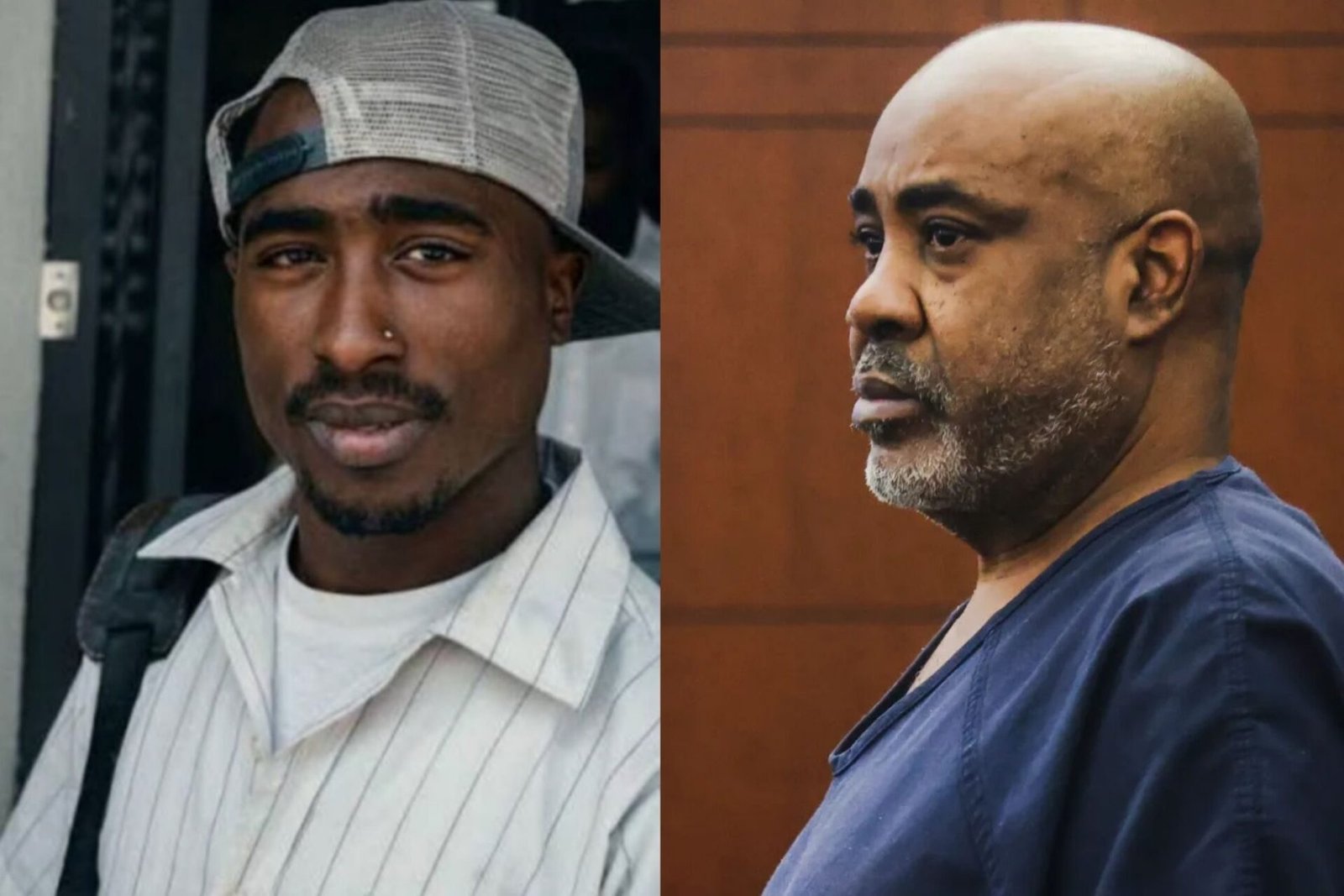

Tupac Shakur murder conviction has marked a major development in the decades-old case surrounding the legendary rapper’s fatal shooting. Duane “Keffe D” Davis faced prosecution for the 1996 killing that shocked the music industry and millions of fans worldwide.
Prosecutors accused Davis of participating in the plot that led to Shakur’s shooting after a confrontation in Las Vegas. The rapper suffered multiple gunshot wounds during the September 1996 attack while travelling through the city with Death Row Records co-founder Suge Knight. Shakur later died at University Medical Center, ending the life of one of hip-hop’s most influential young artists.
For decades, investigators struggled to bring a suspect before court despite numerous theories surrounding the circumstances behind his death. Authorities eventually arrested Davis in 2023 after reopening the investigation and obtaining evidence connected to the long-running murder case.
Davis had previously acknowledged his involvement around the shooting, describing himself as an eyewitness and passenger inside the vehicle. However, prosecutors argued that his actions and leadership role connected him directly to the deadly confrontation. The case attracted renewed international attention because Shakur remained one of music’s most influential figures nearly three decades later.
His albums, lyrics, acting career, and outspoken personality continued shaping hip-hop culture long after his death. Fans have repeatedly demanded justice, especially as questions surrounding his murder remained unanswered for many years.
The Tupac Shakur murder conviction therefore represents a significant moment in one of hip-hop’s most enduring criminal investigations.
Davis’s prosecution also brought renewed focus to the long-running rivalry between Death Row Records and Bad Boy Records. That feud formed part of the wider background surrounding Shakur’s final months and the circumstances preceding his shooting.
The verdict could provide another chapter in the decades-long search for accountability surrounding the rapper’s death. Shakur was only 25 when he died, leaving behind music that continues influencing artists across generations. His legacy remains powerful, with millions of listeners continuing to discover his work and revisit his cultural impact.
The conviction closes one major chapter, although discussions surrounding the circumstances of Shakur’s murder will likely continue. After nearly thirty years, the case has once again placed Tupac Shakur’s final hours at the centre of global attention.









Leave a Reply