


Spain was confident it would host the 2030 FIFA World Cup final after securing a joint hosting bid with Portugal and Morocco. However, Morocco has emerged as a serious contender for football’s biggest showpiece, threatening Spain’s initial expectations.
Spanish football officials initially believed the final would naturally go to their country. Spain is a former world champion and one of the world’s most visited countries. It also has experience hosting major sporting events.
Portugal was reportedly not interested in staging the final. Spanish officials also assumed Morocco would not challenge their position because it joined the bid later.
However, Morocco’s growing football ambitions and major infrastructure investments have changed the contest.
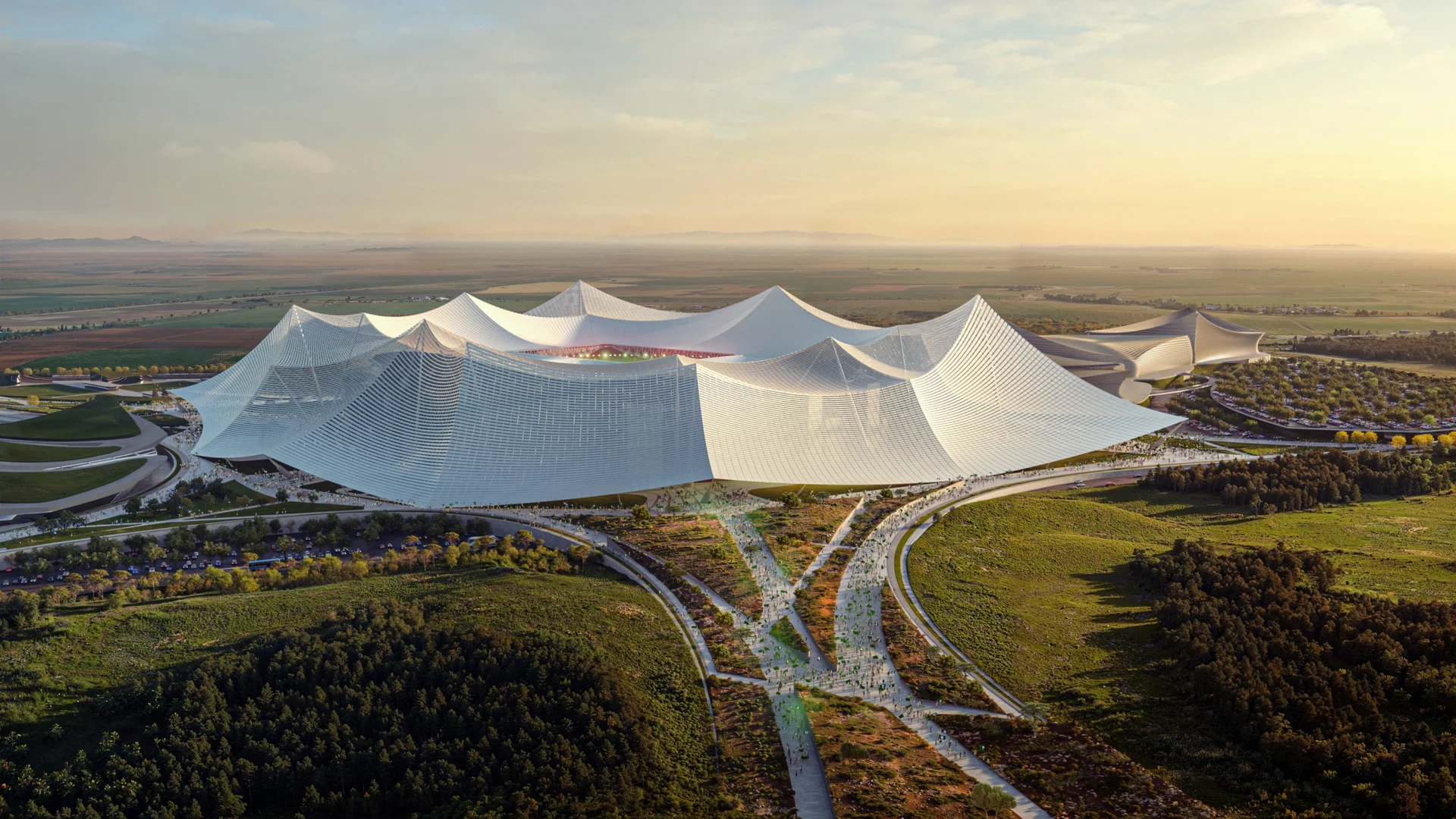
The race now centres on three stadiums: Real Madrid’s Santiago Bernabeu, Barcelona’s Camp Nou and the proposed $1 billion Hassan II Stadium near Casablanca.
The Moroccan stadium will have a capacity of 115,000 spectators. This would make it the world’s largest football arena. Construction is expected to finish in early 2028.
Morocco pushes for the final
Morocco has rallied behind its ambition to host the final. Its football association also enjoys strong government support.
The country’s recent rise in international football has strengthened its case. Morocco reached the semi-finals of the 2022 World Cup and has since become one of the leading teams in FIFA’s rankings.
Fan Bilal Jouhari, 39, said Morocco deserved the final as much as Spain.
“Those who threaten to walk out if FIFA chooses Morocco as the final’s host are just like those who abandon the game because they don’t like the referee’s decisions,” Jouhari said.
Spain, meanwhile, has struggled to present a united position. Madrid and Barcelona are both pushing for their respective stadiums.
Barcelona president Joan Laporta lobbied in September for the final to take place at Camp Nou. He argued that the Bernabeu had already hosted the 1982 World Cup final.
The move reportedly frustrated some officials at the Spanish football federation. They feared the rivalry between the country’s biggest clubs could weaken Spain’s campaign.
Ricardo Trade, former CEO of the FIFA World Cup Organising Committee for Brazil 2014, said Spain should have agreed on its preferred venue before submitting the original bid.
“Spain is terrified of losing the final, a final they were certain they’d be hosting,” Trade said.
“You have Barcelona on one side saying what they want, and Real Madrid on the other also saying what they want, whilst Morocco seems to be very united on this World Cup project and has a stadium for 115,000 people.”
Infantino factor and political tensions
The contest has also become entangled in Spanish politics and diplomatic tensions between Spain and Morocco.
Alberto Núñez Feijóo, the conservative opposition leader and frontrunner ahead of Sunday’s election, said Spain should withdraw from hosting the tournament if it could not secure the final.
LaLiga president Javier Tebas has also expressed concern. He suggested FIFA president Gianni Infantino could favour Morocco because it was supporting his re-election campaign.
“If Infantino stays on, Spain’s chances of getting that final are negligible or non-existent,” Tebas said in September.
Infantino is the favourite to retain his position at FIFA’s March congress, which will take place in Morocco.
However, Real Madrid president Florentino Perez could help Spain’s chances. He reportedly enjoys a close relationship with the FIFA president.
FIFA has said it has no standard procedure for selecting the final venue. The decision will follow consultations with host cities, countries and governments.
Stadiums and infrastructure in focus
Spain has highlighted its experience hosting major football matches. These include the 2018 Copa Libertadores final between River Plate and Boca Juniors in Madrid.
Spanish officials have also pointed to the country’s stronger hotel infrastructure.
A FIFA technical report rated Casablanca’s accommodation offering for the general public at 3.1, compared with Spain’s score of five.
However, Morocco is investing heavily in infrastructure ahead of the tournament. The country plans to spend about $19 billion between 2024 and 2030 on airports, stadiums, hotels and transport networks.
It also plans to connect the Hassan II Stadium, about 45 kilometres from Casablanca, to the city through a railway station and highway.
Moroccan officials believe awarding the final to Africa’s largest stadium would recognise the continent’s contribution to world football.
A Moroccan source familiar with the discussions said it would be embarrassing for the final to go to a non-African country with a smaller stadium.
FIFA inspectors are visiting host cities as the contest intensifies. However, the governing body has yet to announce when it will select the final venue.






Leave a Reply