

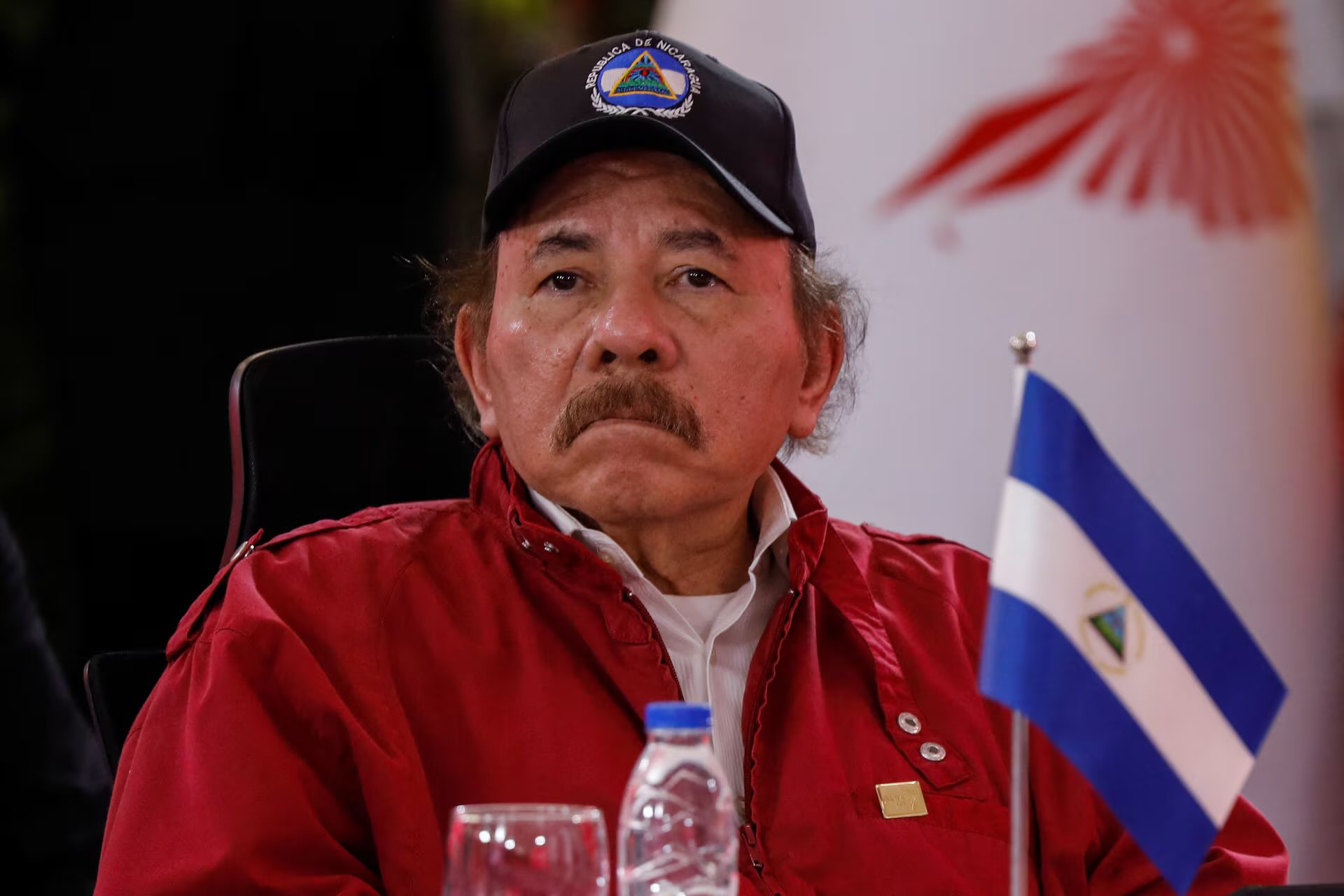

Nicaraguan President, Daniel Ortega ends elections and has sparked global attention after Nicaragua confirmed it will no longer conduct national presidential elections nationwide.
President Daniel Ortega made the declaration during celebrations marking the forty-seventh anniversary of the Sandinista Revolution on July nineteenth, twenty-twenty-six officially. Ortega argued the decision would prevent what he described as Yankees and Somocistas from reclaiming political power through future electoral contests.
The announcement effectively removes any electoral pathway for opposition groups seeking to challenge the current leadership when Ortega’s present presidential term concludes. Recent constitutional reforms already extended presidential terms from five years to six while significantly expanding executive authority across government institutions nationwide.
Those same reforms also established Daniel Ortega and his wife, Rosario Murillo, as Nicaragua’s co-presidents under the country’s revised constitutional framework officially. Supporters argue the changes strengthen national stability, preserve revolutionary ideals, and protect Nicaragua from foreign political interference and external influence continuously.
Critics, however, contend the latest measures further weaken democratic institutions, restrict political competition, and reduce opportunities for peaceful leadership transitions across Nicaragua.
International observers continue monitoring developments closely because the decision raises fresh questions about governance, political freedoms, and democratic accountability throughout the country today. Meanwhile, opposition figures maintain the reforms concentrate unprecedented authority within the executive branch while limiting institutional checks and political participation significantly nationwide.
Daniel Ortega ends elections decision represents another major political shift following years of constitutional changes that increasingly centralized governmental authority under current leadership. Regional analysts expect the announcement to intensify international debate regarding Nicaragua’s democratic trajectory and future relationships with neighboring countries and global partners.
Attention now turns toward how domestic institutions, regional organizations, and international observers respond to Nicaragua’s evolving political landscape during coming months.







Leave a Reply