

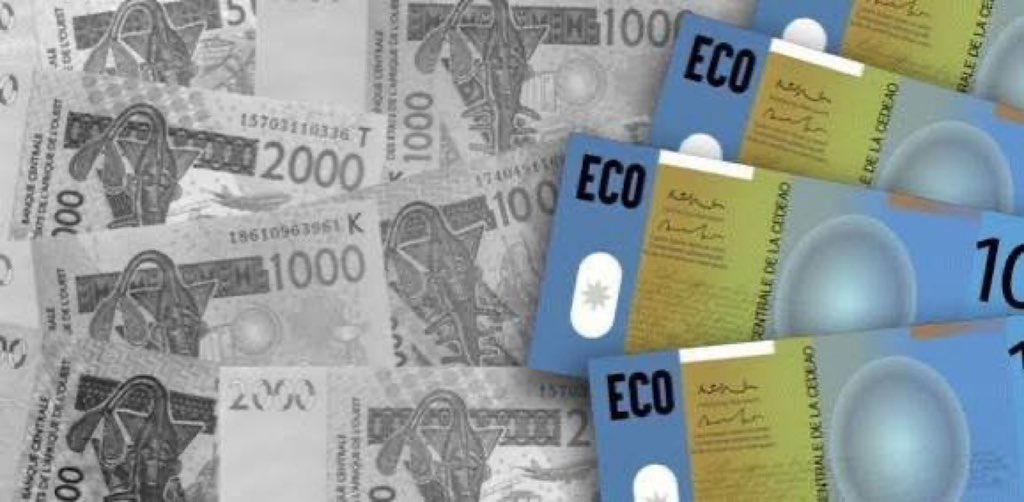

ECOWAS has reaffirmed plans to launch the ECO currency 2027 programme, following its July summit in Sierra Leone. West African leaders confirmed the proposed single currency during the 69th Ordinary Session held in Lungi, Sierra Leone.
However, ECOWAS will not introduce the ECO simultaneously across every member state during the initial phase. Instead, participating countries must first satisfy agreed macroeconomic convergence requirements before joining the monetary union.
These requirements include annual inflation below 10 percent and a fiscal deficit below three percent of GDP. Countries must also maintain enough external reserves to cover at least three months of imports. Therefore, countries that fail to meet the requirements could join later after improving their economic indicators.
ECOWAS leaders also want participating states to establish the necessary institutional arrangements before adopting the common currency. The ECO project has faced several delays since regional leaders first proposed a unified West African currency.
Nevertheless, the latest summit reaffirmed 2027 as the target year for launching the long-discussed monetary project. The initiative forms part of ECOWAS efforts to strengthen regional economic integration and encourage greater trade among member states.
Furthermore, a common currency could simplify cross-border transactions and reduce dependence on multiple national currencies across participating economies. Yet, economic differences between member countries remain a significant challenge for the ambitious monetary integration programme.
ECOWAS therefore intends to use a gradual approach rather than force every member state into immediate participation. The bloc also plans technical support for countries that require additional reforms before meeting the convergence conditions.
For West African economies, the ECO currency 2027 target represents another attempt to deepen monetary cooperation across the region. Ultimately, successful implementation will depend on economic stability, fiscal discipline, political commitment, and coordinated preparation among participating countries.









Leave a Reply