



Street sweepers working with the Lagos Waste Management Authority (LAWMA) have shared raw and emotional accounts of the challenges they face daily while keeping Nigeria’s most populous city clean, saying that despite the essential service they provide, many residents treat them with disdain and even hostility.
In interviews shared on The Morayo Show, several sweepers detailed experiences of harassment from motorists, residents and traders, workplace hazards, discrimination and a lack of basic support that, in their words, makes their job both exhausting and dangerous.
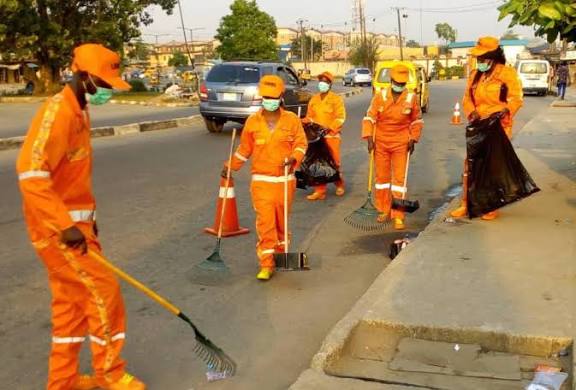
One sweeper, Kafilat, described how motorists park indiscriminately along major highways, forcing workers to clean around vehicles or risk accidents. According to her, drivers sometimes respond to warnings with aggression, leaving cleaners frustrated and afraid for their safety.
Another worker, Olatitoye Adeola, spoke about residents dumping refuse on clean roads and then threatening to beat sweepers when they are asked to remove it. She said some people tell them “Is it your father’s land?” and react violently when confronted.
The sweepers also pointed to wider issues of public behaviour and sanitation. Taiwo Ologunro said that after roads are cleaned, traders and passersby often dirty the same areas again, undoing hours of labour and leaving staff demoralised. She also spoke about open defecation in busy areas and the terrible stench that follows, a challenge, she said, that makes their work even harder.
Harassment, Discrimination and Safety Concerns
Several sweepers recounted how people react negatively when they are on duty. Victoria Bamgbose said roadside traders and hoodlums sometimes break bottles on purpose or create messes, forcing the sweepers to clean multiple times under scrutiny from supervisors.
Workers also described facing discrimination outside of work. Kehinde Ajibade said she was unfairly treated at a general hospital while in uniform, with staff shouting at her and showing disdain because of her job. Some sweepers reported they avoid wearing their work clothing to avoid being singled out or mistreated.
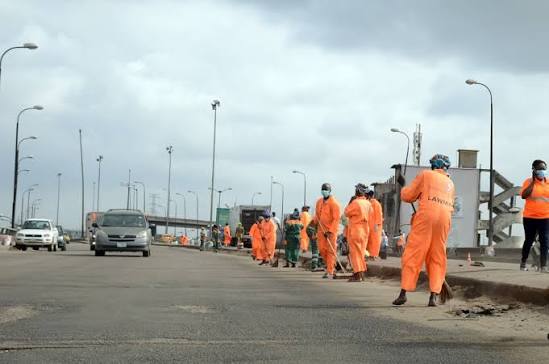
The job itself can be distressing on an emotional level. Fatimo Akinduro revealed that sweepers are often required to clear ritual items and remains found at road junctions, handling hazardous or unpleasant materials as part of their daily duties.
Beyond social stigma, sweepers also raised concerns about road accidents and insufficient emergency assistance when they are hurt while working, noting that help often does not arrive quickly.
Reacting to the complaints, the Managing Director of LAWMA, Dr. Muyiwa Gbadegeshin, acknowledged the risks sweepers face on the job and outlined measures taken by the Lagos State Government to improve their welfare. He said health insurance coverage has been approved for all sweepers, benefiting over 16,000 workers, with biometric registration already completed so employees can access treatment when needed.
Dr. Gbadegeshin also warned Lagosians not to dump waste on roads and said enforcement has been intensified to discourage environmental offences, including arrests and prosecutions under state law. He added that CCTV cameras will be used to monitor and deter reckless driving that endangers sweepers.
Calling on the public to show empathy and respect, Mr. Gbadegeshin said that every job matters, recalling that his first job was as a janitor and sweeper. He emphasised the human dignity of sanitation workers and urged residents to acknowledge their contribution to keeping Lagos clean.
Lagos generates thousands of tonnes of household and commercial waste daily, and keeping major roads and public spaces clean is a complex task that requires coordinated efforts from waste authorities, residents and businesses. LAWMA, which oversees sanitation and waste removal, often reminds the public that improper dumping or obstruction of cleaning operations violates state environmental laws.
Despite government efforts, some long-standing issues remain. Past reports have noted concerns from supervisors about low wages, delayed payments and insufficient protective equipment, indicating broader welfare gaps in the waste management workforce.









Leave a Reply