


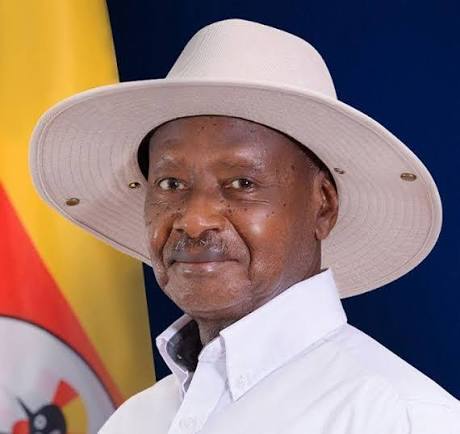
Ugandan President Yoweri Kaguta Museveni has been officially declared the winner of the January 15, 2026 presidential election, securing a seventh term in office and extending his rule that began in 1986 into its fifth decade. The announcement by the country’s Electoral Commission confirmed that the 81-year-old leader garnered about 71.65 percent of valid votes, comfortably surpassing the threshold needed to remain in office.
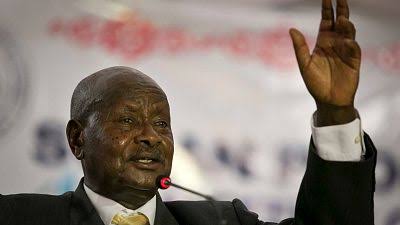
Museveni’s closest challenger, opposition leader Robert Kyagulanyi Ssentamu, widely known as Bobi Wine, received approximately 24.72 percent of the vote, according to official results. In the lead-up to the announcement, Wine rejected the outcome, calling it “fake” and alleging widespread voting irregularities, including claims of ballot stuffing, intimidation, and voter suppression.
The election was marked by tension and controversy. Observers and rights groups reported a government-imposed internet blackout that lasted across several days, restricting real-time reporting and monitoring of the process. Critics argue that this measure limited transparency and independent observation of voting activities. The vote also saw reports of violence and intimidation, including clashes in urban centres and arrests of opposition supporters.
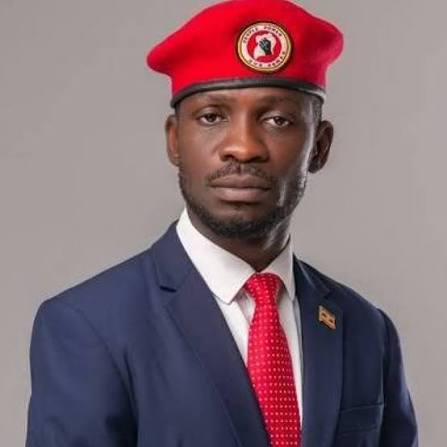
Bobi Wine, a former pop star turned politician who has become a leading voice for youth and reform in Uganda, said he was forced to flee his home amid a heavy security presence. While police later denied detaining him, the situation drew international concern and underscored deep divisions within the country’s political landscape.
Museveni, who first rose to power after leading a five-year guerrilla war, has long been a dominant figure in Ugandan politics. Since 1986, he has overseen the country through the adoption of successive constitutions, economic reforms, and periods of growth, but his tenure has also been criticized for entrenching power and stifling dissent. Under his leadership, constitutional age and term limits were removed, allowing him to seek re-election repeatedly.
The electoral victory announcement took place in the capital, Kampala, where the Electoral Commission chairperson officially declared Museveni the winner. While ruling party supporters celebrated, opposition representatives condemned the result and expressed intentions to contest the outcome through legal and peaceful means.
Social media quickly reflected a mix of reactions from Ugandans and international observers. Supporters of Museveni praised the result as an endorsement of stability and continuity, while critics described the election as deeply flawed and questioned its credibility. Many users shared concerns about the internet shutdown and alleged suppression of opposition voices, calling for greater accountability and fairness in future elections.
Regional and international reactions have been cautious. Some African leaders acknowledged the declared results, while human rights groups have called for independent investigations into reported irregularities and restrictions that occurred before and during the voting process.
As Uganda enters another five-year term under Museveni’s leadership, attention now turns to how the government will engage with opposition voices and whether there will be meaningful reforms to address longstanding concerns about governance, civic freedoms, and inclusive political participation.









Leave a Reply