



The 2026 Grammy Awards may have crowned Tyla’s “Push 2 Start” as Best African Music Performance, but the celebration quickly turned into heated debate, especially among fans in Africa and the global Afrobeat community.
On the night of February 1 in Los Angeles, South African singer Tyla took home the award in a category designed to honor music that “utilizes unique local expressions from across the African continent, highlighting regional melodic, harmonic and rhythmic musical traditions.”
However, many listeners argue that Push 2 Start (a track blending pop, R&B, and Amapiano elements), doesn’t carry the unmistakable sonic textures they associate with traditional or contemporary African music styles.
Critics of the win have taken to social media to express their frustration. Some argue that the Recording Academy’s choice reflects a misunderstanding of what African music represents, pointing out that artists like Davido (“With You”), Burna Boy (“Love”), and Ayra Starr & Wizkid (“Gimme Dat”) all nominated represent genres rooted deeper in Afrobeat and African musical tradition.
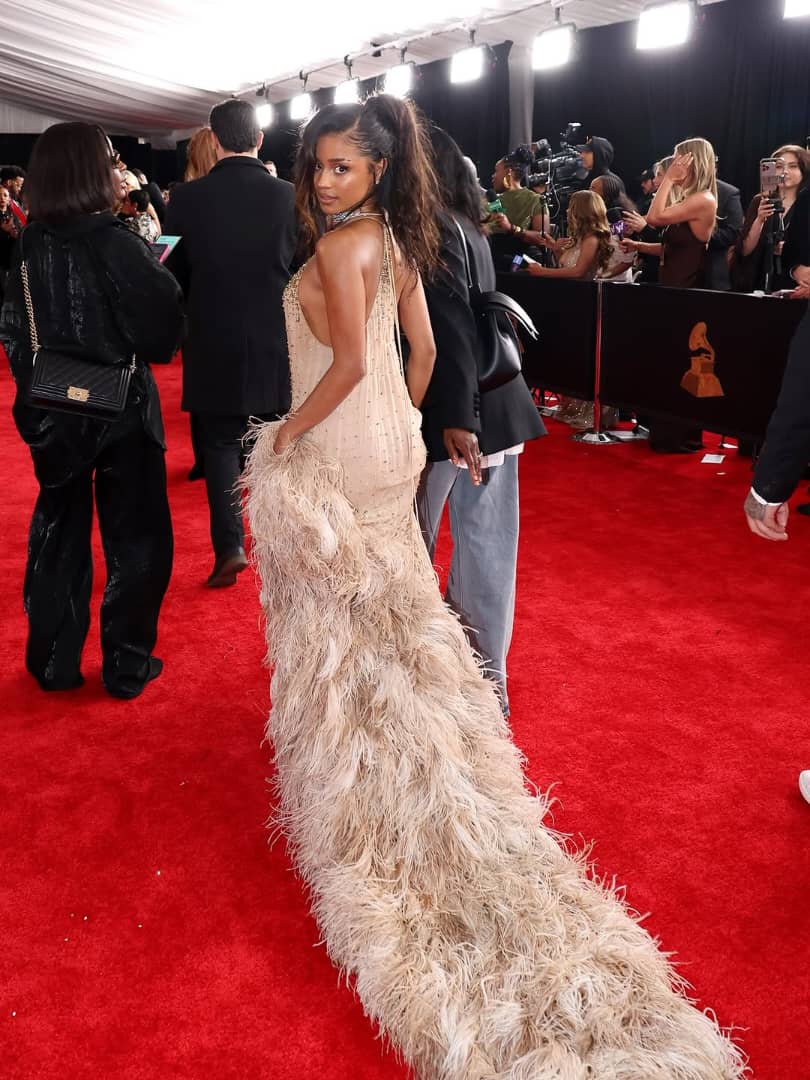
One fan wrote emotionally that the Grammy “has no African feel or texture to it,” sparking a broader conversation about identity, genre and authenticity in award recognition.
Others feel the criticism goes beyond artistry and veers into regional bias or unfair expectations. Supporters of Tyla point out that she is indeed African born and raised in South Africa and argue that Grammy categories are intentionally broad, created to shine light on musical diversity from the continent.
They also say that Tyla’s global success with the song and her ability to fuse genres deserves recognition, even if it doesn’t sound traditionally “African” to everyone.
This debate echoes earlier discussions when the Best African Music Performance category was introduced. Some praised the Recording Academy for elevating African music, while others questioned how categories would be defined, judged, and understood by global voters.
What’s clear is that the conversation is bigger than one award. It raises critical questions about musical identity, who gets to define cultural authenticity, and how global platforms recognize regional innovation.
Does commercial success and popularity override traditional musical markers? Or should categories like Best African Music Performance be more clearly defined to reflect a deeper cultural sound?
Fans continue to debate across timelines and comment threads, but one thing’s certain: Tyla’s win has reaffirmed that African music in all its diversity now commands global attention, even if the discussion around what truly qualifies as African music has only just begun.
What are your thoughts on this?









Leave a Reply