

Former presidential candidate and Labour Party leader Peter Obi has sharply criticised the current administration, describing it as the worst government in Nigeria’s history.
Obi made the remark while addressing supporters and party faithful at a recent public engagement, where he spoke extensively about the country’s economic challenges, rising insecurity and the hardship facing ordinary Nigerians.
According to him, the level of suffering and economic pressure being experienced across the country has reached unprecedented levels. He argued that key indicators such as inflation, unemployment and currency depreciation show that the nation is struggling more than ever before.
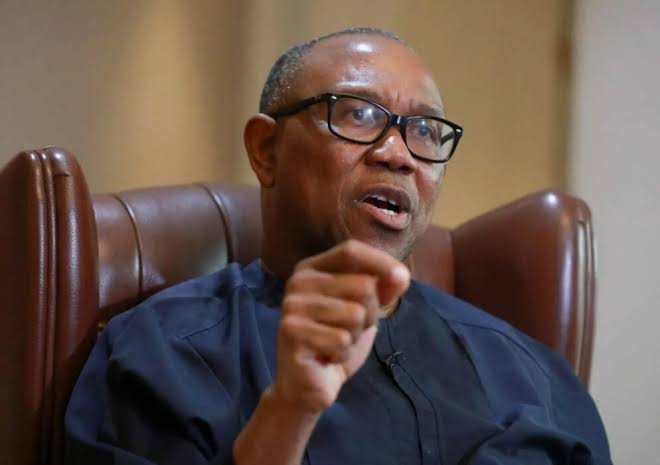
“The government we have today is the worst in the history of our country, Nigeria,” Obi said, insisting that leadership must be measured by the wellbeing of the people.
The former Anambra State governor highlighted the rising cost of living, the weakening purchasing power of citizens and the growing frustration among young people. He maintained that governance should focus on productivity, investment in critical sectors and transparent management of public resources.
Obi also raised concerns about insecurity, stating that safety of lives and property remains a primary responsibility of any government. He stressed that without stability and trust in institutions, meaningful development would remain difficult.
His comments have since generated mixed reactions across political circles. Supporters of Obi say his statement reflects the reality many Nigerians are facing, especially amid economic reforms that have led to subsidy removal and foreign exchange adjustments.
However, allies of the ruling government have dismissed his remarks as political rhetoric, arguing that the administration inherited deep structural challenges and is implementing tough but necessary reforms to stabilise the economy.
The strong criticism comes as political conversations gradually begin to shift toward the 2027 general elections. Analysts say opposition figures are likely to intensify scrutiny of the government’s policies as they position themselves for future contests.
Obi, who emerged as a major political force during the 2023 presidential election, has continued to maintain an active presence in national discourse, frequently commenting on governance, economic policy and accountability.
While the presidency has not officially responded to his latest statement, political observers note that debates over the country’s economic direction and security architecture are expected to dominate public discussions in the coming months.
For now, Obi’s remarks have once again placed him at the centre of Nigeria’s political conversation, reigniting debate over leadership, performance and the direction of the nation.








Leave a Reply