



Tesla has officially lost its long-held position as the world’s largest electric vehicle (EV) manufacturer, as Chinese automaker BYD overtakes the American company in global sales. The shift marks a significant turning point in the rapidly evolving electric vehicle market and highlights the growing dominance of Chinese manufacturers on the global stage.
According to recently released 2025 sales figures, BYD sold more electric vehicles worldwide than Tesla, ending Elon Musk’s company’s reign at the top of the EV industry. While Tesla has been a pioneer and symbol of electric mobility for over a decade, increasing competition, pricing pressure, and shifting consumer demand have reshaped the market landscape.
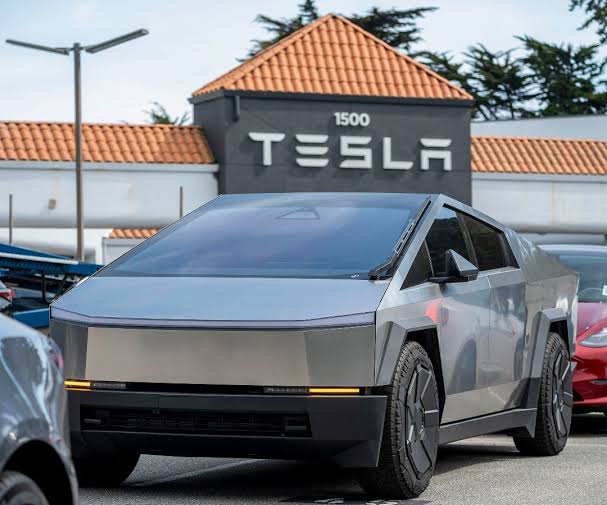
Industry analysts note that Tesla experienced a slowdown in vehicle deliveries in 2025, driven by factors such as reduced demand in key markets, expiration of some EV tax incentives, and intensified rivalry from both Chinese and European automakers. BYD, on the other hand, benefited from aggressive expansion, competitive pricing, and strong government support in China, the world’s largest EV market.
BYD’s growth has been fueled by its vertically integrated business model, which includes battery production, vehicle manufacturing, and technology development. This approach has allowed the company to control costs and scale faster than many of its competitors. Its broad range of electric and hybrid vehicles has also helped it appeal to a wider consumer base across Asia, Europe, and emerging markets.
The development signals a broader shift in the global EV race, with China continuing to assert itself as a dominant force in electric mobility. Chinese automakers are increasingly exporting vehicles to international markets, challenging long-established Western brands on price, technology, and production speed.
Despite losing the top spot, Tesla remains one of the most influential players in the EV industry. The company continues to lead in areas such as charging infrastructure, software innovation, and autonomous driving technology. Analysts believe Tesla’s next phase will depend heavily on new model launches, cost optimization, and its ability to regain momentum in key regions.
As the competition intensifies, the battle for EV leadership is far from over. However, BYD’s rise to the top in 2025 underscores a new reality: the global electric vehicle market is no longer dominated by a single player, but shaped by fierce competition and rapid innovation.








Leave a Reply