


Saudi Arabia has imposed a ban on poultry and egg imports from Nigeria and 39 other countries, citing precautionary public health and food safety measures.
The decision, which was announced by Saudi authorities, forms part of broader efforts to safeguard domestic consumers from potential health risks linked to imported poultry products. Officials stated that the restriction is a preventive step aimed at strengthening biosecurity and ensuring that imported food products meet strict safety standards.
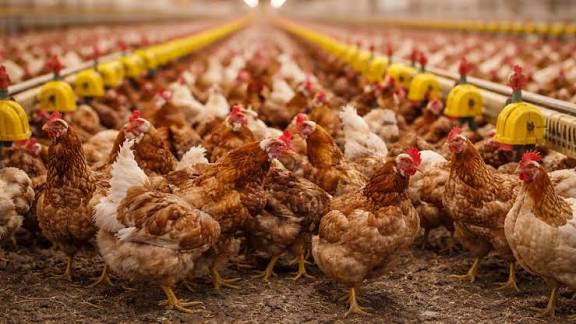
The move has drawn attention within Nigeria’s agricultural and export sectors, especially among poultry farmers and exporters who had previously relied on international markets for growth.
According to Saudi officials, the temporary ban is tied to concerns around disease control and food safety compliance. While specific outbreaks were not detailed in the announcement, such restrictions are commonly linked to fears of avian influenza or other poultry related health threats.
Saudi Arabia maintains rigorous import regulations and regularly reviews sanitary conditions in exporting countries. The latest action reportedly affects a total of 40 countries, signaling a broad precautionary measure rather than a Nigeria specific sanction.
Industry analysts say these kinds of restrictions are often subject to review once exporting countries demonstrate compliance with required veterinary and safety standards. This means the ban could be lifted if Nigerian authorities provide the necessary certifications and assurances.

For Nigeria, the development could have implications for local producers seeking to expand beyond domestic consumption. The country’s poultry industry has grown steadily over the years, driven by rising demand for protein and government initiatives aimed at boosting agricultural exports.
Exporters may now need to explore alternative markets or intensify efforts to meet international biosecurity benchmarks. Agricultural stakeholders are expected to engage relevant Saudi regulatory bodies to clarify the scope of the restrictions and outline steps toward reinstatement.
Economic observers note that while the ban may not immediately disrupt Nigeria’s domestic poultry supply, it could affect revenue projections for export focused operators. The situation also highlights the importance of maintaining globally recognized food safety standards in an increasingly interconnected trade environment.
As discussions continue between trade and agricultural authorities, industry players will be watching closely for updates on the duration of the ban and possible pathways to resolution.








Leave a Reply