



Former presidential candidate Peter Obi has criticised President Bola Ahmed Tinubu over what he described as repeated failures in Nigeria’s electricity sector, pointing to multiple national grid collapses and raising concerns about the government’s delivery on earlier campaign promises.
In a statement posted on his verified X account on January 28, 2026, Obi reminded Nigerians of a pledge Tinubu made during the 2022 presidential campaign, saying that if he failed to provide “steady electricity in my first four years,” Nigerians should not vote for him for a second term. Obi said the current pattern of grid failures contradicts that promise and should be a matter of national concern.
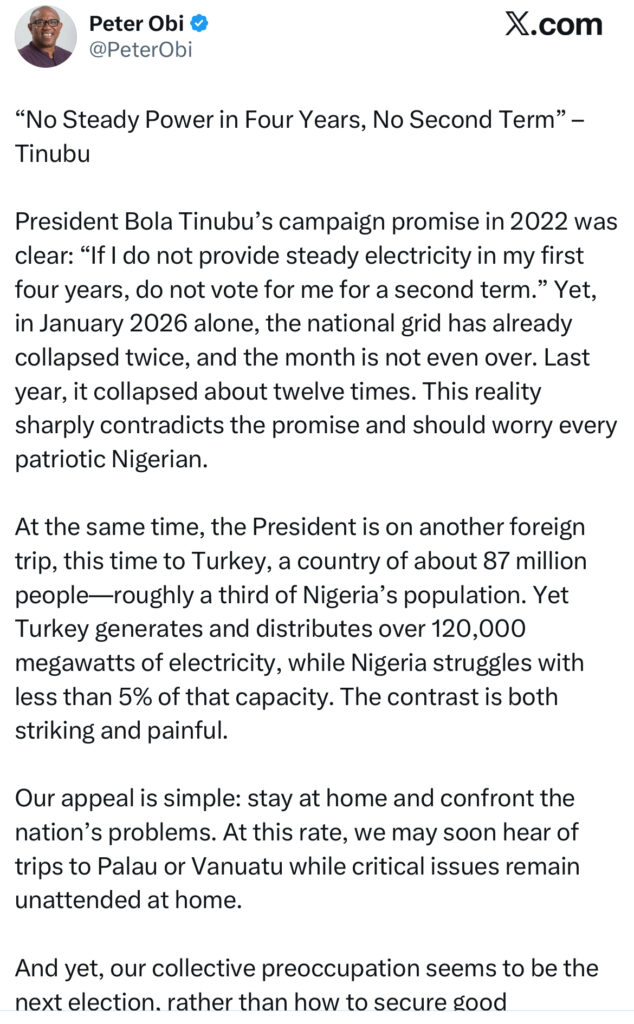
Obi highlighted that the national grid had collapsed twice in January 2026 alone, with the month not yet over, and noted that in 2025 the grid collapsed about 12 times. He described these failures as evidence that the promise of steady power has yet to be fulfilled.
Recent reports confirm that Nigeria’s national power grid experienced at least two system failures in January 2026, with one incident occurring within four days of the previous collapse. According to data from transmission monitoring, the grid suffered sharp drops in generation that left electricity distribution companies with zero load allocation, resulting in widespread outages in many parts of the country.
Operational issues cited include tripping of transmission lines and voltage disturbances affecting major substations. On January 27, 2026, the grid collapsed around midday, cutting power to multiple distribution networks across states before restoration efforts began.
The Nigerian Independent System Operator (NISO), the body responsible for managing the grid, described one of the events as a “voltage disturbance” originating from a transmission substation, but said corrective actions were implemented and supply eventually restored.
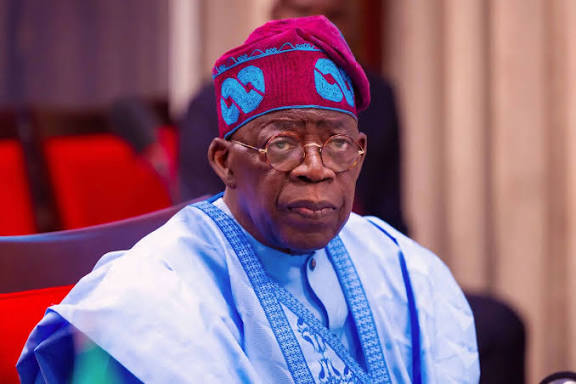
During his campaign ahead of the 2023 elections, President Tinubu made electricity improvement a central part of his platform. He promised that Nigerians would see more reliable and stable power supply within his first four years in office, saying that a lack of steady electricity should weigh on voters’ decisions about his second term. Critics have frequently referenced that pledge as a benchmark for assessing performance, including opposition figures and civil society voices.
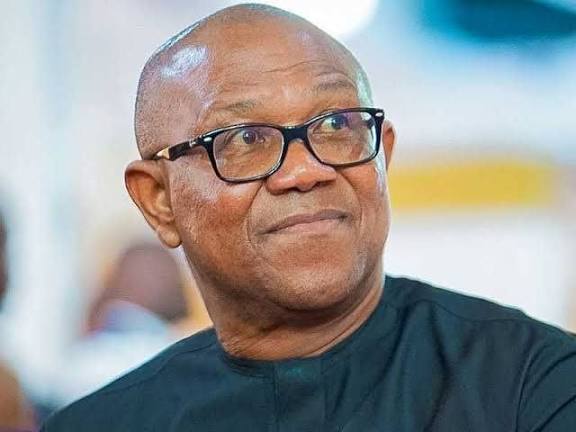
Obi reiterated this promise in his recent statement, arguing that repeated collapses of the power grid undermine public confidence in the electricity sector’s reform and service delivery. Obi also drew comparisons with countries like Turkey, which he said generates and distributes far greater quantities of electricity relative to its population and infrastructure capacity.
Frequent power outages and grid collapses have broad implications for Nigeria’s economy and daily life. Businesses often depend on reliable electricity for production and services, while households face increased costs as they turn to alternative sources such as generators. Industry groups like the Lagos Chamber of Commerce and Industry have previously warned that recurring outages impose significant costs on manufacturers and micro, small, and medium enterprises (MSMEs), driving up operating expenses and weakening investor confidence.
Experts say that operational weaknesses in the transmission network, inadequate infrastructure maintenance, and imbalance between power generation and distribution capacity contribute to the instability of the grid. While government initiatives have aimed to attract investment and reform sector management, the persistence of grid failures underscores ongoing challenges.
In his statement, Obi urged Nigerians to demand accountability and responsible leadership, suggesting that tackling core domestic issues like electricity should take precedence over political pursuits. He called for focused effort on governance and urged citizens to hold leaders to their promises as part of democratic engagement.
The national grid’s repeated collapses have reignited discussion about power sector reforms, infrastructure sustainability, and strategic planning, with many stakeholders calling for comprehensive solutions to stabilise electricity supply and reduce the economic burden caused by outages.









Leave a Reply