



Health experts are calling for urgent investment in antivenom production and emergency response systems after Nigeria recorded an estimated 43,000 snakebite cases annually, a public health challenge that has gained renewed attention following the tragic death of singer and former The Voice Nigeria contestant, Ifunanya Nwangene.

The young vocalist reportedly died after a snakebite incident at her Abuja residence, a case that has triggered nationwide conversations about hospital preparedness, access to life saving medication, and the broader gaps in Nigeria’s healthcare system.
Medical professionals say snakebite cases remain one of the most overlooked health crises in the country despite affecting thousands of Nigerians each year.
Ifunanya Nwangene’s death reignites healthcare concerns
According to verified reports, Nwangene was asleep when she woke up to intense pain after being bitten by a snake. She sought urgent medical attention but faced challenges accessing antivenom treatment at nearby facilities.

Friends and family told international media that she was later transferred to a major hospital where medical teams attempted emergency care, but she sadly passed away at the age of 26.
The rising singer had gained national recognition after appearing on The Voice Nigeria, and tributes quickly poured in from fans and fellow creatives who remembered her as a passionate and talented performer.
Her death has since become a major talking point among health advocates who say many snakebite victims across Nigeria face similar challenges, especially in areas where antivenom is scarce or unavailable.
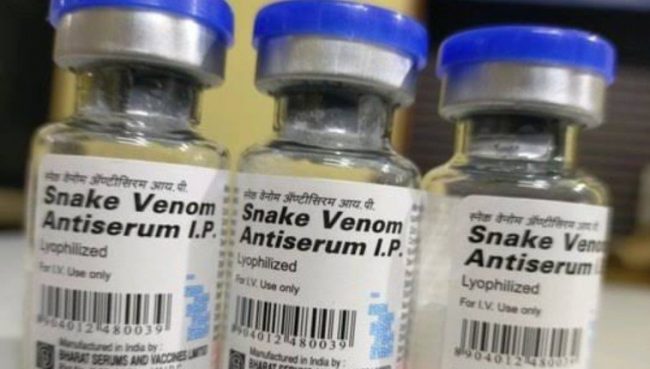
Public health specialists say Nigeria’s high number of snakebite cases demands stronger government action, including local production of antivenom and improved distribution across hospitals.
Medical advocates argue that while snakebites occur globally, fatalities often rise in regions where emergency care and essential medication are limited. The tragedy surrounding Nwangene has intensified calls for better funding of primary healthcare centers and faster response systems for medical emergencies.
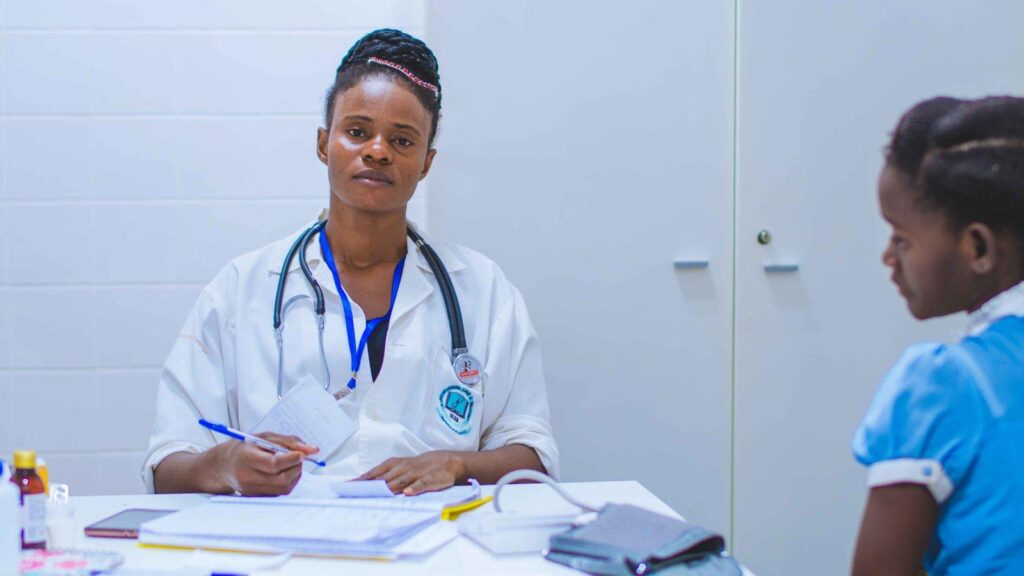
Online reactions have also highlighted the wider issue, with some health voices stressing that snakebite cases are survivable when proper treatment is available quickly.
Healthcare analysts believe increased awareness and investment could reduce deaths significantly, especially in rural and urban communities where encounters with snakes remain common.
Beyond the medical debate, the incident has also opened conversations about safety awareness and environmental factors, particularly in residential areas where wildlife encounters sometimes occur.









Leave a Reply