



Reports from parts of Nigeria on Friday, January 23, 2026 indicate widespread power disruptions, with many residents experiencing blackouts as electricity supply remains unstable across the country. The ongoing challenge comes amid broader strain on the national grid, which has faced repeated failures in recent months and years despite efforts to stabilise the system.
Although there is no official announcement today of a complete grid collapse, industry observers and consumer reports point to serious interruptions in electricity supply, particularly linked to broader issues in the power sector. Distribution companies and consumers alike have noted reduced allocations, frequent outages, and load shedding in several regions, a situation that reflects the grid’s ongoing fragility.
What Is Causing Continued Grid Struggles?
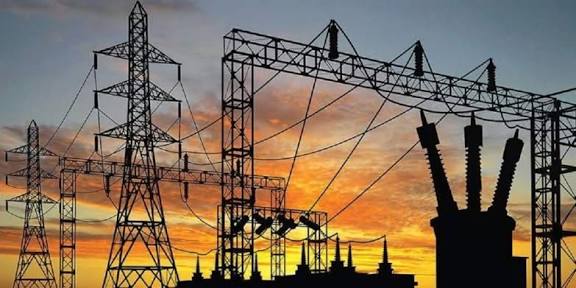
Experts have repeatedly highlighted that the grid’s instability stems from a combination of systemic weaknesses and energy supply challenges. Recent reports show that the grid has been operating under heavy strain, with generation levels far below what is required for Nigeria’s population and economic activity. As of late January, electricity generation was reported at about 4,140 megawatts, a figure considered too low for a nation of more than 200 million people.
Part of the strain has also been linked to reduced gas supply to thermal power plants. In early January, officials from the Nigerian Independent System Operator noted that gas pipeline vandalism had cut fuel supplies, weakening the grid and making it more prone to disturbances.
Despite these challenges, authorities have at times been able to restore portions of grid operations after disturbances. In late December 2025, power supply was reported to have been returned to all parts of the country after a system disturbance earlier that week, as teams worked to stabilise the network. Officials said investigations into the incident would continue to prevent future disruptions.
In response to persistent outages and grid weakness, the Federal Government and energy stakeholders have begun exploring longer-term strategies. One key approach is the expansion of off-grid solutions, such as mini-grids featuring solar and battery systems designed to support communities independent of the main grid. Plans are underway to deploy dozens of mini-grids in the first quarter of 2026 as part of efforts to alleviate power shortages and improve reliability.
For everyday consumers, the current power situation means irregular access to electricity, frequent reliance on generators, and higher costs for households and businesses. Residents in major cities and rural areas have reported inconsistent supply throughout the day, with some areas recording much lower availability than expected.
Social media has been active with users sharing updates about blackouts and asking power companies for restoration timelines. Many Nigerians continue to express frustration with the recurring instability in power supply, emphasising how prolonged outages affect productivity, comfort, and services.
As the grid continues to grapple with supply and infrastructure challenges, energy authorities face growing pressure to implement reforms that could boost stability. Experts argue that enhancing gas supply security, repairing transmission networks, and scaling renewable solutions could help reduce outages in the long term.
For now, many Nigerians are adapting to fluctuating supply levels while awaiting clearer updates from the Transmission Company of Nigeria (TCN), distribution companies, and regulatory agencies on plans to improve reliability and reduce the frequency of blackouts.
The situation remains dynamic, and ongoing developments in the energy sector will likely continue through 2026 as stakeholders attempt to stabilise Nigeria’s power grid and reduce the strain on national infrastructure.









Leave a Reply