



There is fresh pushback from Nigerian lawmakers over the gazetted versions of the new tax reform laws, with members of the House of Representatives rejecting key aspects of the documents released to the public. Critics argue that the versions published in the Federal Government Gazette differ from the text passed by the National Assembly, raising serious constitutional and procedural concerns.
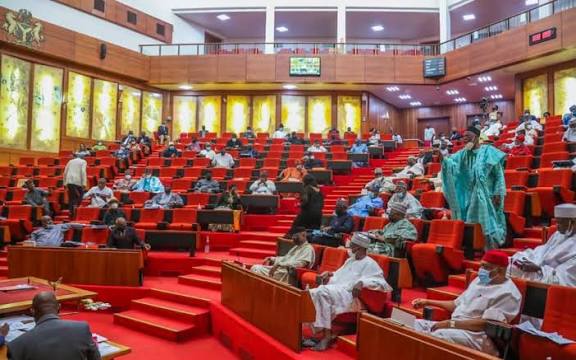
The controversy centers on alleged discrepancies between what the National Assembly approved and what was officially gazetted by the Federal Government after President Bola Ahmed Tinubu signed the tax reform bills into law on June 26, 2025. The laws, which include the Nigeria Tax Act, the Nigeria Tax Administration Act, the Nigeria Revenue Service (Establishment) Act, and the Joint Revenue Board (Establishment) Act, are scheduled to take effect from January 1, 2026.
Lawmakers Raise Alarm on House Floor
During a session on December 17, 2025, Hon. Abdulsammad Dasuki (PDP, Sokoto) raised a matter of privilege in the House of Representatives, alleging that the tax laws now circulating in the gazette contain substantive changes that were neither debated nor approved by lawmakers.
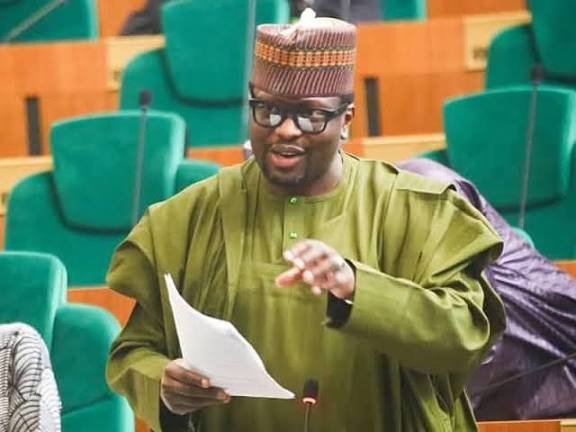
Dasuki told his colleagues that a careful comparison of copies of the bills passed by the National Assembly and those published to the public revealed differences in critical clauses, including how certain provisions might be funded. The lawmaker described the situation as a potential constitutional breach and an infringement on legislative authority, insisting that the documents available to the public did not reflect the versions approved by both chambers.
The Speaker of the House, Tajudeen Abbas, acknowledged the concerns and assured legislators that appropriate action would be taken to investigate the matter in-depth.
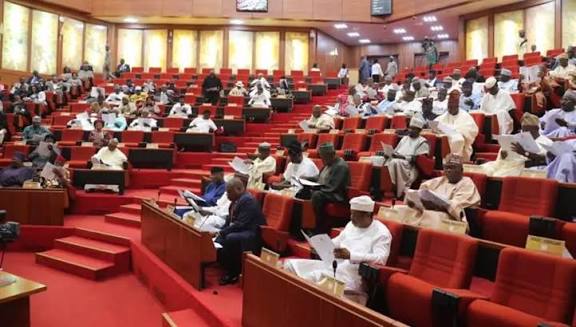
In response to the uproar, the House established a seven-member ad-hoc committee to examine the alleged discrepancies between the versions passed in the National Assembly and those gazetted by the Federal Government. The committee, chaired by Muktar Betara, will compare the harmonised bills, legislative records, and gazetted copies to determine the nature and extent of the alleged alterations.
The panel’s mandate is to report any findings that could suggest breaches of legislative process or constitutional requirements, and lawmakers are expected to use the committee’s findings to determine next steps before enforcement of the tax laws begins in January.
Legal and Public Concerns Grow
Legal experts and civil society groups have also weighed in on the matter. Professor Auwalu Yadudu, a law professor, said that the alleged discrepancies undermine the credibility of the tax reform process and called for caution before the January implementation date. Yadudu highlighted specific clauses, including a requirement for taxpayers to pay a significant upfront percentage of disputed assessments before appeal and expanded enforcement powers for authorities, which he said were not part of the versions passed by the legislature.
Similarly, civil society groups like the Centre for Information Technology and Development (CITAD) have urged for transparency and suspension of the laws’ implementation pending thorough verification and public disclosure of both the legislative proceedings and the gazetted documents. CITAD stressed that proceeding without clarity could lead to legal uncertainty and further erosion of public confidence in governance.
The issue has also drawn political reactions beyond the National Assembly. Former presidential candidate Peter Obi criticised the controversy, describing it as a shift from “padded budgets to forged laws,” and warned that such actions could weaken constitutional governance and public trust.
Opposition voices argue that if proven, the alterations could amount to undermining the legislative process and concentration of power under the executive, sparking calls for broader institutional reform and greater oversight.









Leave a Reply