


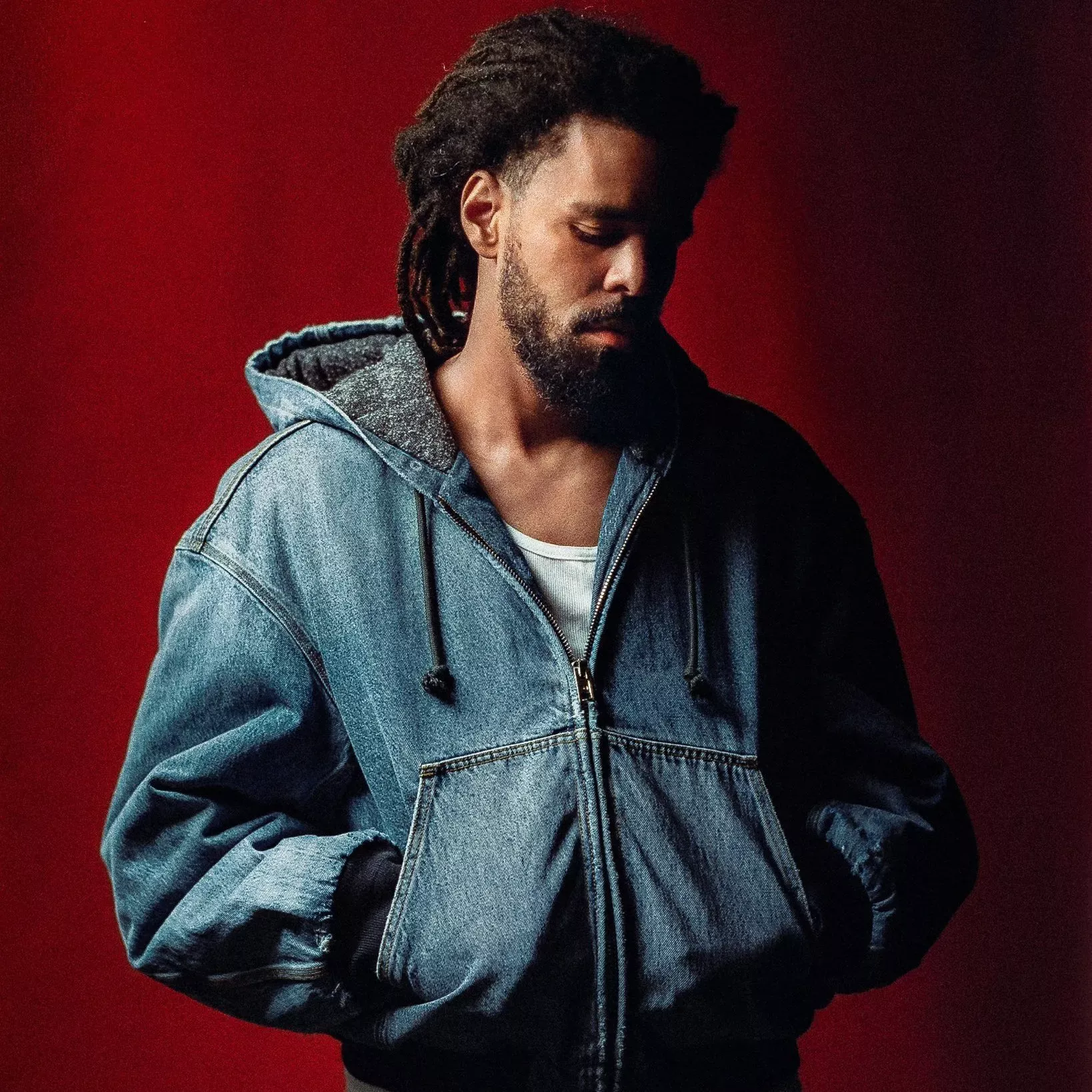

American rap star J. Cole is taking a very old‑school approach to promoting his new album The Fall-Off, surprising fans by travelling city to city in the United States to sell physical copies of the record for just $1 each directly from his car. The move comes days after the album’s release and has sparked excitement across social media and music communities.
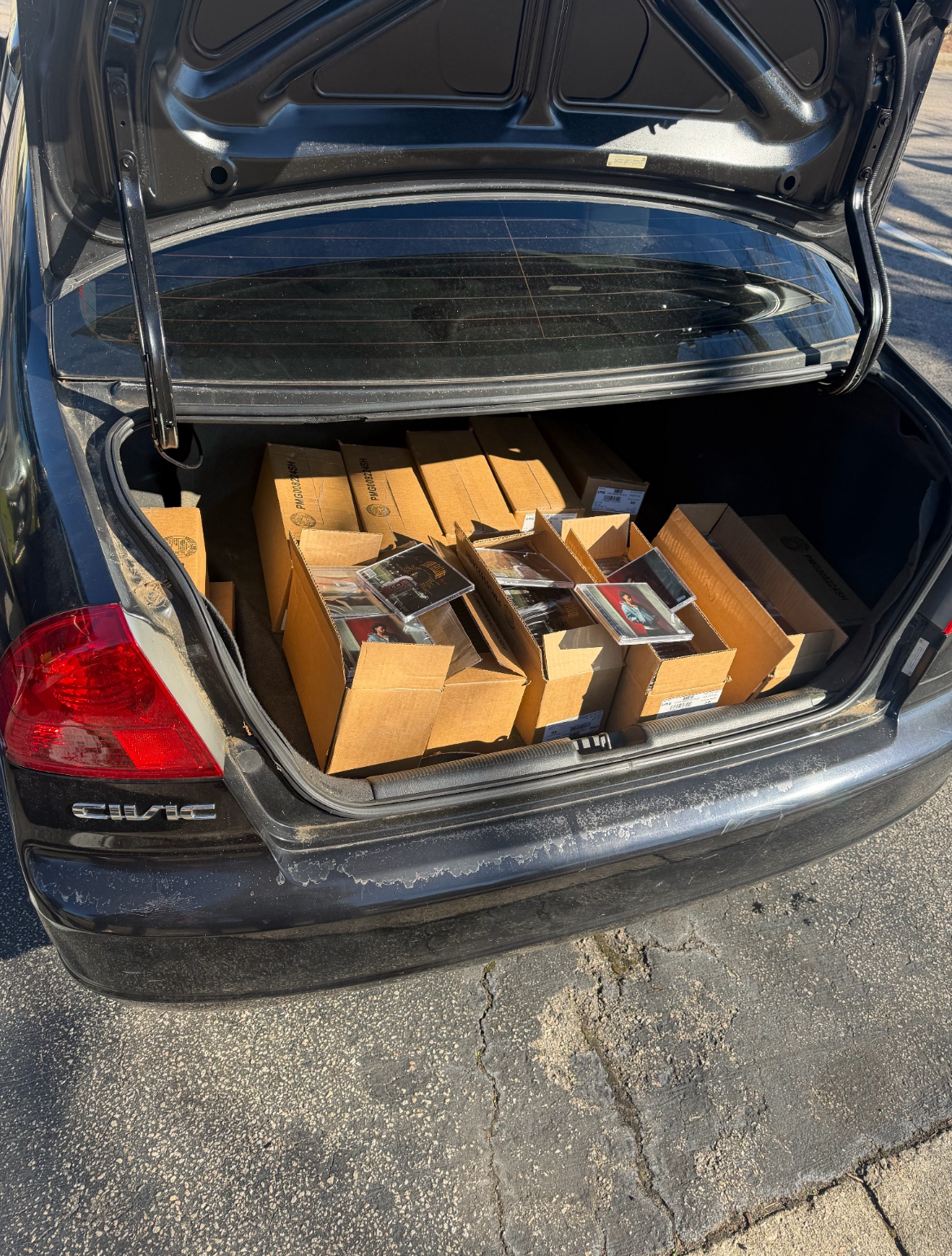
The North Carolina‑born artist announced what he calls the “Trunk Sale Tour ’26”, a continuation of his early days as an independent artist. In social media posts, Cole explained that he loaded boxes of The Fall‑Off CDs into the trunk of his old Honda Civic and began driving around different cities, giving fans the chance to buy a physical copy right from him.
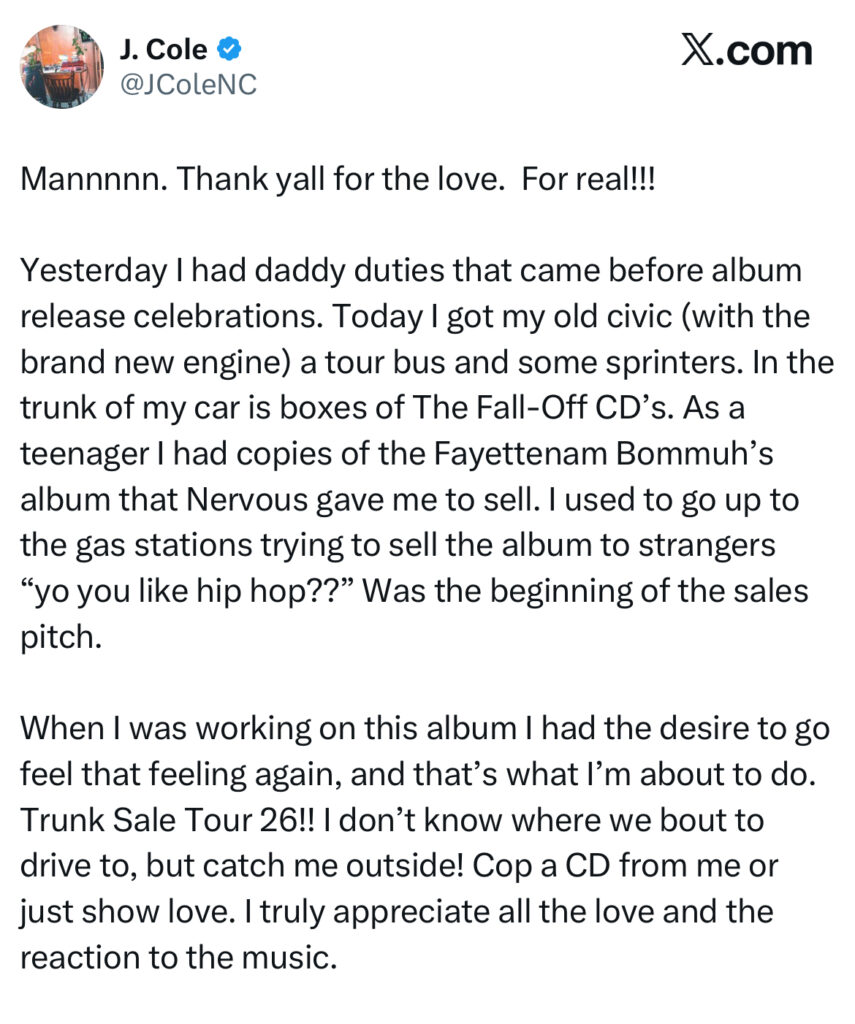
“When I was working on this album I had the desire to go feel that feeling again,” Cole wrote in one post, recalling how he once sold his early music from the trunk of his car at gas stations and college campuses. Fans gathered wherever he stopped, creating long lines and impromptu moments of connection between the rapper and his supporters.
The decision to sell CDs so cheaply stands in stark contrast with how music is most often consumed today. In the streaming era, artists typically rely on platforms like Spotify, Apple Music, and others to generate revenue. However, these services pay artists very small amounts per stream, often just fractions of a cent. Based on industry estimates, it might take roughly 200 to 333 streams on platforms like Spotify just to make about $1 in royalties, depending on subscription type and region.
Because of this, physical sales still carry unique value for many artists, especially independent‑minded musicians like J. Cole, who founded his own label, Dreamville Records. Selling CDs in person not only creates direct income but also builds a personal connection with fans far beyond digital downloads and streaming figures.
Music industry observers note that J. Cole’s strategy also highlights the complexity of artist revenue today. Streaming has transformed how music is distributed and consumed, but it also means that millions of plays can translate into relatively modest earnings for performers unless they own their masters or negotiate favourable royalty splits.
Many fans have praised the idea as a nostalgic throwback that brings the music‑buying experience closer to the community. Some college students cheered when he showed up unexpectedly at campuses, while others shared photos of themselves holding the $1 CD in hand. It has been described by supporters as a memorable and fun way to celebrate the release of The Fall‑Off.
The choice to sell CDs inexpensively also mirrors a broader resurgence of interest in physical music media. In recent years, reports have shown that CDs and vinyl have found renewed appeal among younger listeners and collectors, even as digital streaming remains dominant.
Despite the traditional route, there is no indication that Cole’s trunk sales will replace streaming as a major revenue source for his album. But the move has already sparked global conversation, connecting the artist’s humble beginnings with his current superstar status. The Fall‑Off itself has seen strong engagement since its release, with projected high first‑week performance combining streams, downloads, and physical sales.
For music lovers, J. Cole’s initiative is both inspiring and thought‑provoking. It underscores how artists continue to navigate a shifting industry where direct fan interaction and traditional sales methods can still matter, even in a world dominated by algorithms and streaming charts.








Leave a Reply