



Nigerian‑born actress Folake Olowofoyeku has reignited discussions about colorism after speaking candidly in a recent interview about her personal experiences with bias based on skin tone. The veteran performer, who is known for her work across film, television, and theatre in both Nigeria and Hollywood, used the platform to address something she described as a “quiet but persistent pressure” that influenced how she was perceived professionally and socially.
Colorism, defined as prejudice or discrimination against individuals with darker skin tones, has long been a topic of conversation across African and Western media industries. In her recent interview, Olowofoyeku shared how those experiences shaped her early views of beauty and belonging, emphasising that the issue is not confined to one industry or culture but exists globally.
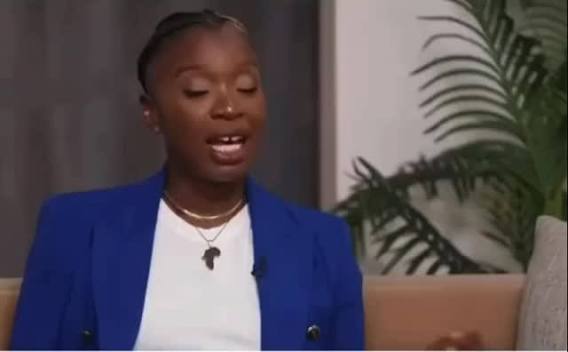
Olowofoyeku revealed that from a young age, she became aware of how lighter skin was often celebrated more overtly in mainstream media and everyday interactions. She reflected on moments where she felt overlooked or judged because of her complexion, even in settings where talent should have been the sole determining factor for opportunities.
“What people don’t talk about enough is how colorism works its way into your sense of self,” she said during the interview, which has since drawn wide attention online. “It’s not always outright discrimination, sometimes it’s the subtler messages about who gets cast or featured more often.” She pointed out that, especially early in her career, she faced feedback and commentary that seemed to favour lighter‑skinned actresses, both in Nollywood and internationally.
While she did not single out specific incidents, Olowofoyeku acknowledged that these experiences influenced her confidence and how she prepared for roles. She explained that in many parts of the world, including Nigeria, beauty standards often elevated certain looks over others, reinforcing stereotypes that became harder to ignore as she pursued her dreams.
In Hollywood, she said that while the industry talks extensively about diversity and inclusion, deeper biases concerning skin tone can still influence casting decisions and representation. “There’s progress, undoubtedly,” she said, “but sometimes the narrative stops at diversity without addressing the nuances of representation. That’s where skin tone comes in.”
Her comments resonate with broader cultural debates that have been unfolding across Africa and the diaspora. In Nigeria, discussions about colorism often surface in relation to beauty advertising, television representation, and social expectations. Critics argue that longstanding preferences sometimes lead to real opportunities being skewed away from darker‑skinned performers, even as audiences increasingly call for more authentic and inclusive portrayals.

Olowofoyeku also spoke about her journey toward self‑acceptance, noting that time, maturity, and intentional focus on her craft helped her move past internalised doubts. She recounted how focusing on the depth of her work, rather than the external judgments she encountered, empowered her to navigate both Nigerian and international entertainment spaces with confidence.
Many fans and cultural commentators quickly took to social media to praise Olowofoyeku for speaking openly about a topic that is often uncomfortable to address. Supporters highlighted how her courage could help others confront their own experiences with beauty standards and self‑image.
Others pointed out that her reflections align with a growing movement among African creatives who are challenging traditional ideals and advocating for broader inclusion in film, television, and media at large. By articulating her perspective, Olowofoyeku contributed to a larger discourse on how society perceives beauty, talent, and representation.









Leave a Reply