


The Federal Government of Nigeria has announced a strict ban on electricity distribution companies (DisCos) and their installers from collecting any form of payment for electricity meters, warning that offenders will face prosecution.
The directive was issued as part of the government’s ongoing efforts to protect electricity consumers and enforce transparency in the rollout of prepaid meters nationwide. Authorities stressed that meters provided under approved schemes are meant to be issued to customers at no cost, and any demand for payment amounts to extortion.
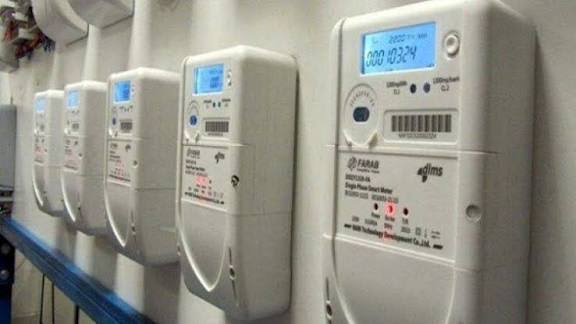
According to officials, the ban applies to all categories of electricity meters, including those distributed through the National Mass Metering Programme (NMMP) and other government backed initiatives. DisCo staff, contractors, and third party installers who demand money before, during, or after meter installation are now at risk of legal action.
Crackdown on Meter Extortion
For years, many electricity consumers across Nigeria have complained about being asked to pay unofficial fees before receiving prepaid meters, despite repeated assurances that meters were free. In some cases, customers reported being forced to make payments to fast track installations or avoid estimated billing.
The federal government said the new enforcement drive is aimed at ending such practices permanently. Regulators have been directed to monitor DisCos closely, while consumers are encouraged to report any official or installer who requests money for meter supply or installation.
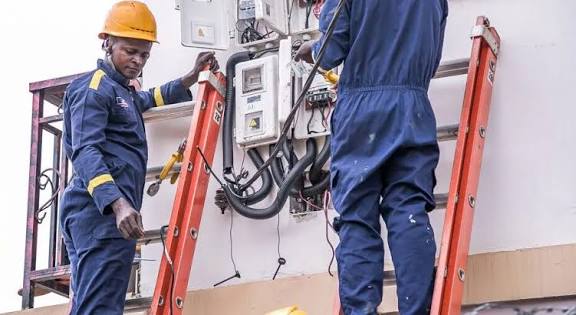
Officials emphasized that the policy is part of broader reforms in the power sector to ensure fairness, accountability, and improved service delivery. By removing illegal charges associated with metering, the government hopes to reduce disputes between consumers and electricity providers and improve trust in the billing system.
Under existing regulations, electricity customers are not required to pay for meters supplied through approved government programmes. Any payment request outside officially published tariffs is considered illegal.
Consumers who encounter such demands have been advised to document the incident and report it through appropriate regulatory channels. Authorities say reports will be investigated promptly, and confirmed cases will lead to sanctions, including prosecution.
Power sector analysts say the success of the policy will depend largely on enforcement and public awareness. They note that similar directives in the past were undermined by weak oversight, allowing illegal practices to continue at the grassroots level.
The government insists this time will be different, with closer supervision of DisCos and stricter penalties for violators. The move also aligns with efforts to reduce estimated billing, which has long been a major source of frustration for electricity users.









Leave a Reply