



The Federal Government has approved the purchase of two new communication satellites as part of broader efforts to strengthen Nigeria’s digital infrastructure and support President Bola Ahmed Tinubu’s vision of growing the economy to one trillion dollars. The approval signals renewed federal commitment to space technology as a driver of economic growth, national security, and digital inclusion.
The decision was disclosed through official government briefings linked to Nigeria’s digital transformation agenda, which places technology, broadband expansion, and data infrastructure at the centre of economic development. The satellites are expected to enhance connectivity across critical sectors including telecommunications, broadcasting, education, healthcare, security, and disaster monitoring.
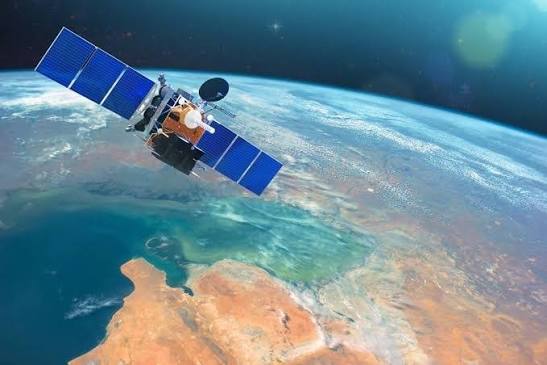
Nigeria’s existing satellite assets have played a key role in supporting communication services, but officials say the new approval reflects the need to upgrade capacity and expand coverage in line with modern digital demands. As Nigeria pursues deeper integration into the global digital economy, satellite communication is seen as essential for bridging connectivity gaps, particularly in underserved and remote regions.
President Tinubu has repeatedly outlined his ambition to reposition Nigeria as a major economic force driven by technology, innovation, and private sector growth. Expanding digital infrastructure is a central pillar of that vision, with satellite communication identified as critical to unlocking productivity across industries.
Government sources say the new satellites will support improved broadband penetration, faster data transmission, and more reliable communication services nationwide. These improvements are expected to create a stronger foundation for sectors such as fintech, e-commerce, digital media, and remote services, all of which contribute to economic diversification and job creation.

Experts note that reliable satellite infrastructure is also crucial for attracting foreign investment, as multinational companies increasingly prioritise stable digital systems when evaluating emerging markets.
Beyond economic impact, the satellites are expected to strengthen national security and public safety operations. Enhanced satellite communication improves surveillance, emergency response coordination, and secure information sharing among government agencies.
Nigeria has previously relied on satellite technology for election logistics, border monitoring, weather forecasting, and disaster response. With climate challenges and security concerns remaining key national issues, officials believe expanded satellite capacity will improve response efficiency and data accuracy.
Education and healthcare delivery are also expected to benefit. Satellite-enabled connectivity supports remote learning platforms, telemedicine services, and access to digital resources in areas where terrestrial infrastructure remains limited.
The approval aligns with Nigeria’s long-term space and digital strategy, overseen by national agencies responsible for space science and communications technology. Over the years, Nigeria has launched and managed satellites focused on communication, earth observation, and research, positioning itself as one of Africa’s most active players in space technology.
Industry analysts say the move reflects a growing recognition that space infrastructure is no longer optional but essential for national competitiveness. As countries invest heavily in digital ecosystems, satellite systems provide resilience and scalability that ground networks alone cannot guarantee.
While details on launch timelines, manufacturing partners, and operational frameworks are expected to be released later, officials indicate that the procurement process will follow international best practices and align with Nigeria’s broader digital economy roadmap.









Leave a Reply