

The Dangote Refinery has announced a major reduction in the pump price of petrol, lowering it to N699 per litre across Nigeria. The update, which quickly circulated on Monday morning, has generated widespread reactions from Nigerians who have been dealing with persistent increases in the cost of fuel for more than a year.
The price slash is one of the most significant adjustments seen since the refinery began operations. Many Nigerians welcomed the news as a possible turning point for the economy, especially for transportation, logistics, agriculture and small businesses that have struggled under high energy costs. The reduction is expected to ease the pressure on households that have had to adjust to rising fuel prices since deregulation.

The Dangote Group explained that the new price is part of its commitment to making petroleum products more affordable and stabilising the market. Industry observers say the reduction could force other marketers to review their prices, especially if supply from the refinery ramps up consistently. Reports indicate that the refinery has been increasing local production capacity in recent weeks, a development that may have influenced the new pricing structure.
Public Reaction and Economic Impact
The announcement immediately started trending on social media platforms, with many users expressing relief and calling the move a “long-awaited breath of fresh air.” Some transport unions also issued early statements noting that the new price could result in downward reviews of transport fares once the product is fully distributed nationwide.
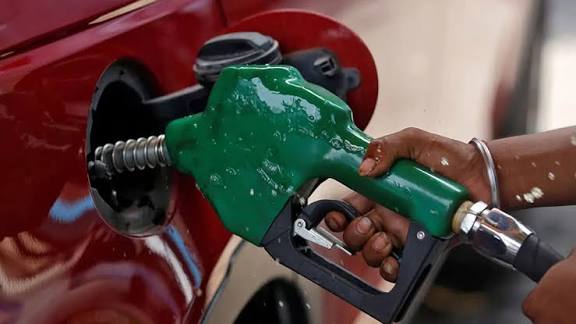
Economists have described the price cut as a potentially positive shift for inflation, especially because petrol prices have played a significant role in the rising cost of food and transportation. A reduction at this scale could improve business operations across several sectors and help restore purchasing power for millions of Nigerians.
However, experts also warned that consistent availability will be key to the long-term impact of this new pricing. They noted that previous reductions in fuel price were sometimes followed by supply shortages that forced prices back up. This time, all eyes are on distribution timelines and how quickly retail outlets can reflect the new price across the country.
Meanwhile, civil society groups and business associations have praised the refinery for taking the step despite market pressures. Some analysts believe the price move reflects the refinery’s growing confidence in its ability to meet domestic demand without depending on imported products. The development may also strengthen Nigeria’s long-term plan to reduce its dependence on international refineries.









Leave a Reply