
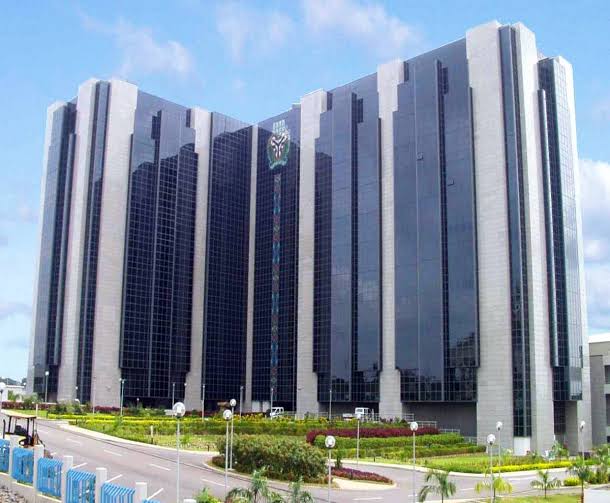

Electronic payments have become a normal part of everyday life in Nigeria. From bank transfers to mobile apps and online purchases, more people are relying on digital channels to move money. But as convenience grows, so does fraud, and the Central Bank of Nigeria (CBN) is stepping in to act faster.
The CBN has directed banks and other financial institutions to respond to electronic fraud incidents in less than 30 minutes. This move is aimed at reducing losses and restoring confidence in Nigeria’s digital payment systems.
The announcement was made by the Deputy Governor in charge of Financial System Stability, Mr. Philip Ikeazor, during the 2026 Nigeria Electronic Fraud Forum (NeFF) Technical Kick-Off Session. According to him, delays in responding to fraud cases often make things worse. The longer it takes to act, the harder it becomes to recover stolen funds.

Over the years, Nigeria has made progress in securing its payment infrastructure. Older fraud methods like ATM card cloning have been largely addressed. However, fraudsters have simply changed tactics. Today, the biggest threats come from online scams, social engineering tricks, SIM-swap fraud, insider abuse, and authorised push payment scams, where victims unknowingly approve fraudulent transfers themselves.
To tackle these newer and more complex risks, the CBN is placing strong emphasis on Nigeria’s migration to ISO 20022, a global financial messaging standard. Rather than treating it as just another compliance requirement, the apex bank sees it as a key tool in fighting fraud.
ISO 20022 allows financial institutions to share more detailed and structured transaction information. This means suspicious transactions can be spotted faster, patterns can be analysed more accurately, and investigations can be carried out more efficiently. Better data also makes it easier for banks to work together and, when necessary, collaborate across borders.
As banks, payment service providers, and financial infrastructure operators complete the transition across real-time and instant payment systems, transparency within the financial system is expected to improve significantly. This will help Nigeria stay ahead of fraudsters who are becoming more sophisticated by the day.
The CBN has warned that electronic fraud losses have risen sharply in recent years and must be urgently reversed. According to Ikeazor, fighting fraud today is no longer about reacting after damage has been done. It now requires smart, integrated systems that monitor transactions in real time, analyse behaviour, verify identities, and trigger immediate action.
The apex bank has reaffirmed its commitment to working closely with industry players through the NeFF platform to ensure these measures deliver real results. With faster response times and better use of data, the goal is simple: protect consumers, reduce losses, and strengthen trust in Nigeria’s digital financial system.
This is a welcome development for Nigeria and Nigerians as many Nigerians have experienced great financial losses from fraudulent activities that were never recovered.









Leave a Reply