

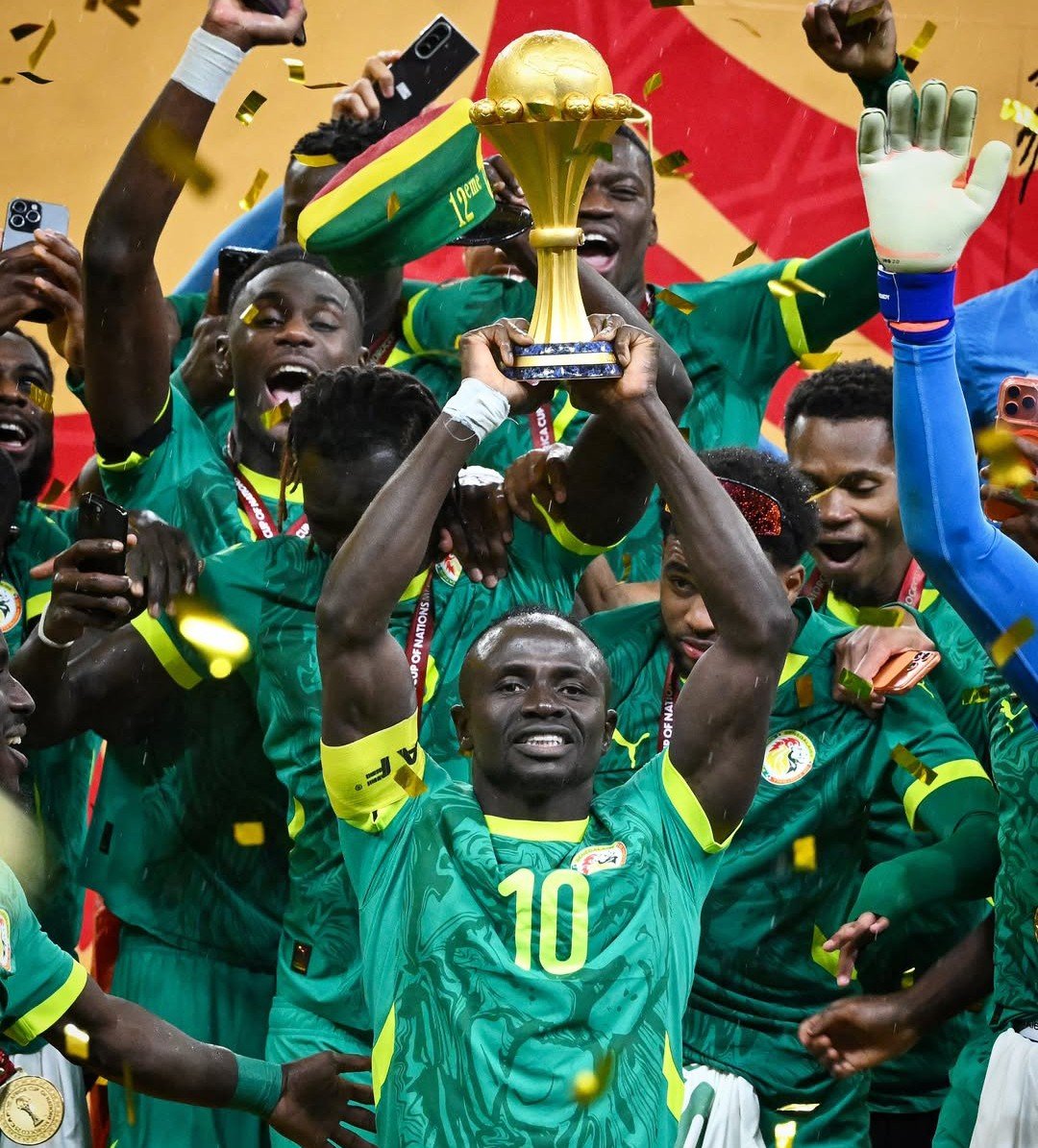

AFCON returning to a biennial schedule from 2027 marks a major change, restoring the tournament’s traditional two-year cycle for African football. CAF confirmed the decision, ending plans to expand the Africa Cup of Nations into four-year intervals starting from 2028 onward.
The announcement brings clarity for national teams, supporters, broadcasters, and sponsors preparing for Africa’s biggest international football competition. Under the revised arrangement, AFCON will continue providing African countries regular opportunities to compete for continental football’s prestigious championship.
The decision reverses an earlier proposal that would have moved the tournament toward a four-year calendar following the 2027 edition. CAF president Patrice Motsepe previously outlined plans for restructuring competitions, aiming to strengthen African football’s commercial value and international visibility.
However, the latest decision means AFCON will retain its familiar rhythm, giving teams another continental title opportunity every two years. Supporters welcomed the return, particularly those concerned that longer gaps could reduce excitement surrounding Africa’s premier national team competition.
The AFCON every two years format also preserves opportunities for emerging players to experience major tournaments during their international careers. National football associations can now plan qualification campaigns, preparation schedules, and player development around the restored biennial competition.
Meanwhile, broadcasters and commercial partners will benefit from predictable tournament cycles, helping them organize coverage and sponsorship arrangements across Africa. The decision keeps AFCON closely connected to African football traditions, while allowing CAF to pursue broader development initiatives alongside its competitions.
Although CAF continues reviewing its competition structure, the tournament’s two-year schedule remains central to the latest announcement. AFCON every two years will therefore return from 2027, restoring a familiar calendar for African football fans worldwide.
The change signals CAF’s commitment to maintaining regular continental competition, ensuring national teams continue competing for Africa’s prestigious football crown.









Leave a Reply