

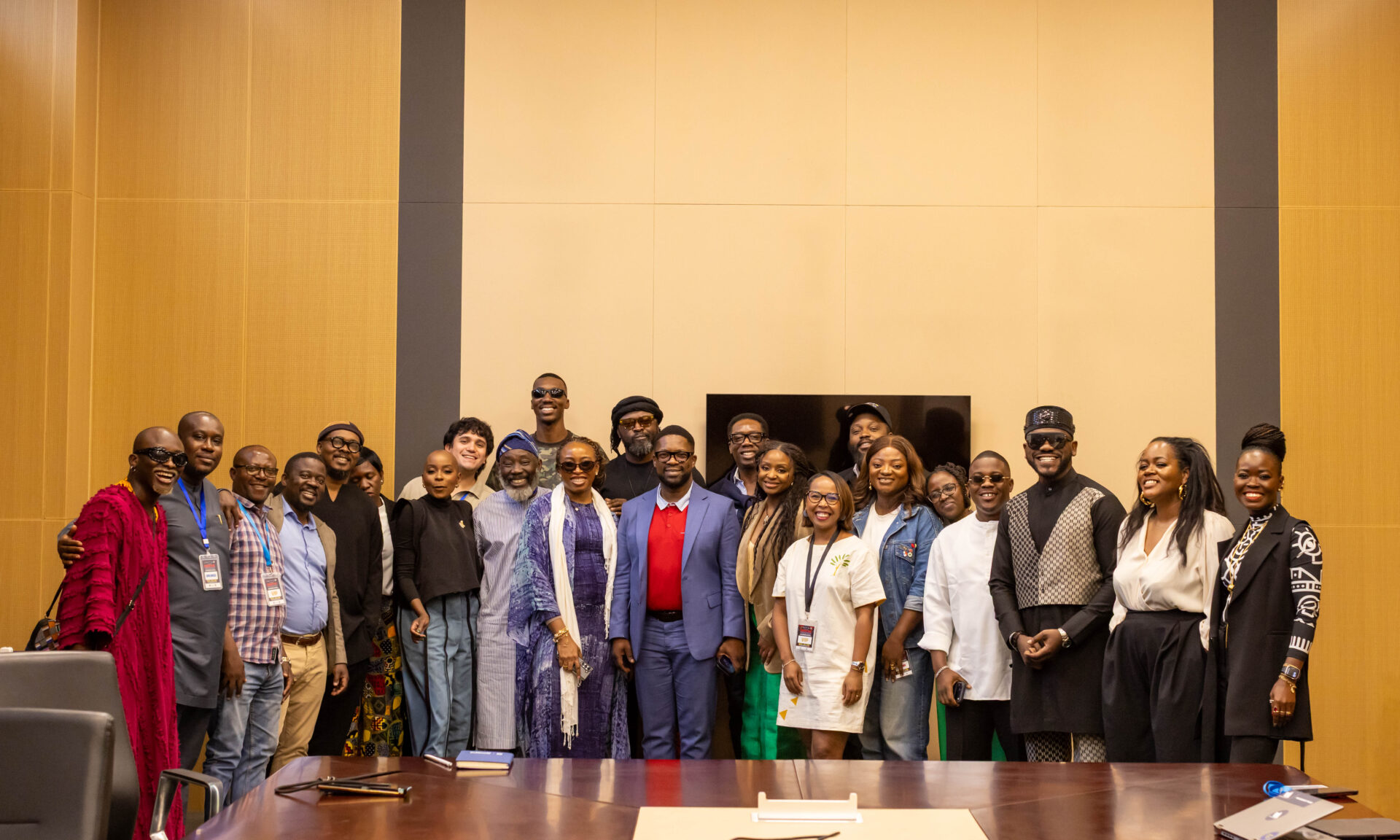

LUSAKA, ZAMBIA – 21 July 2026 — Thousands of delegates from across Africa gathered in Lusaka as the Africa Creative Market (ACM) 2026 concluded six days of high-level dialogue, strategic partnerships, investment conversations and cultural exchange, reaffirming the continent’s growing determination to build a globally competitive creative economy.
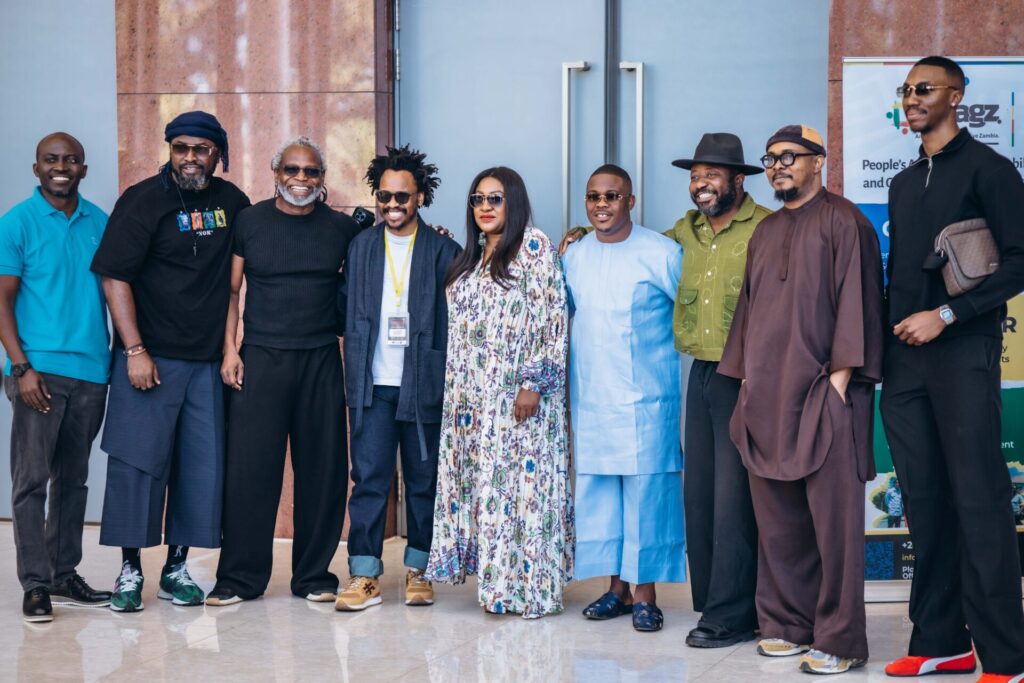
Held from 29 June to 4 July 2026, ACM 2026 was delivered in collaboration with the Creative Industries Business Summit Zambia (CIBSZ) and the Kwimbo National Arts Festival, bringing together participants from Zambia, Nigeria, South Africa, Zimbabwe, Ghana, Cameroon, Senegal and several other African countries. The gathering united government officials, policymakers, investors, development partners, entrepreneurs, creatives and industry leaders in one of the continent’s most comprehensive platforms dedicated to advancing Africa’s creative and cultural industries.

Throughout the week, delegates participated in a rich programme of specialised summits, conferences, exhibitions, film screenings, awards, business forums, networking sessions and cultural showcases, all centred on a common objective: unlocking the full economic potential of Africa’s creative industries through stronger institutions, strategic investment, innovation and cross-border collaboration.
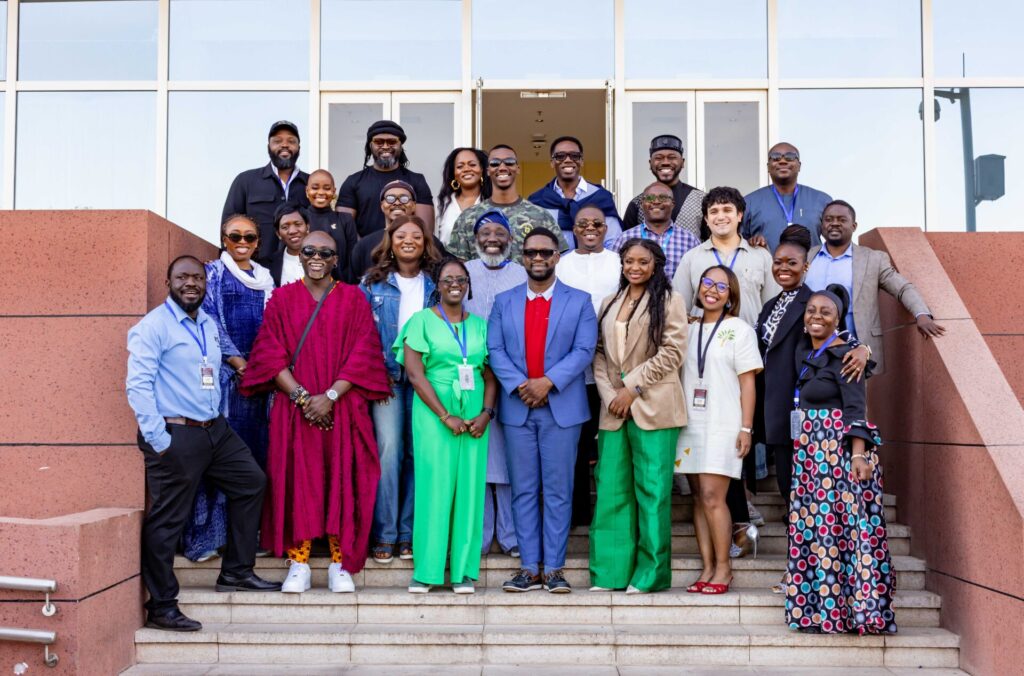
Opening the event, Founder of Africa Creative Market, Dr Inya Lawal, described Zambia as the ideal host for this year’s gathering, pointing to the country’s growing commitment to the creative economy. “People often ask me why we chose Zambia. My answer has always been simple; because Zambia is ready,” she said.
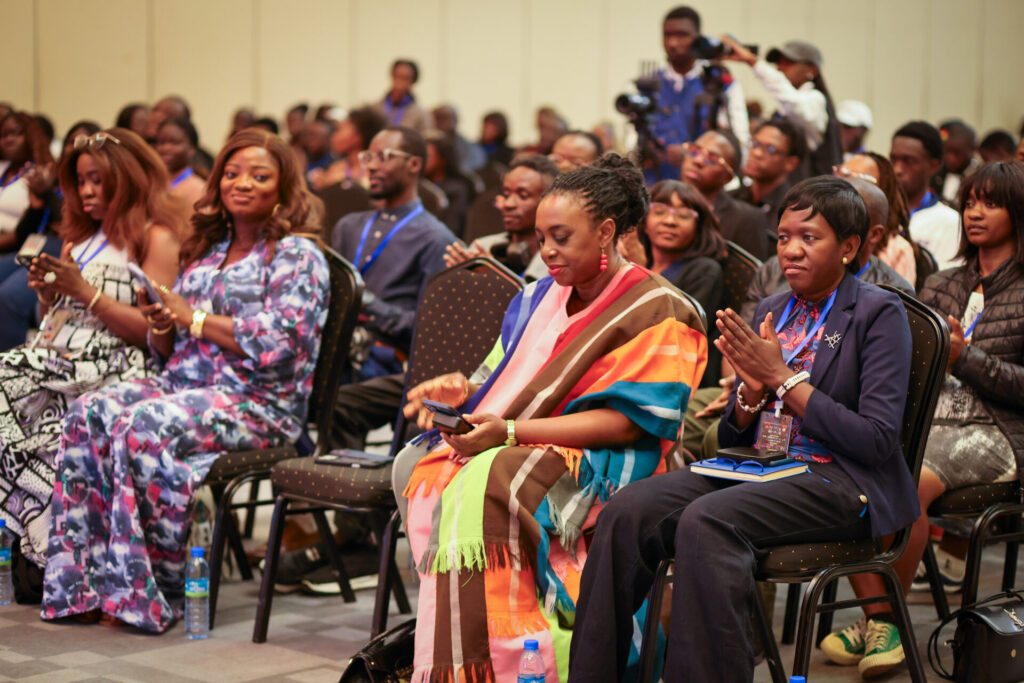
Representing the Government of Zambia, Permanent Secretary, Ministry of Youth, Sport and Arts, Mr Kangwa Chileshe, underscored the importance of creating enabling systems that allow creative talent to flourish. “Talent alone is not enough. We must build the structures that allow talent to thrive,” he said.
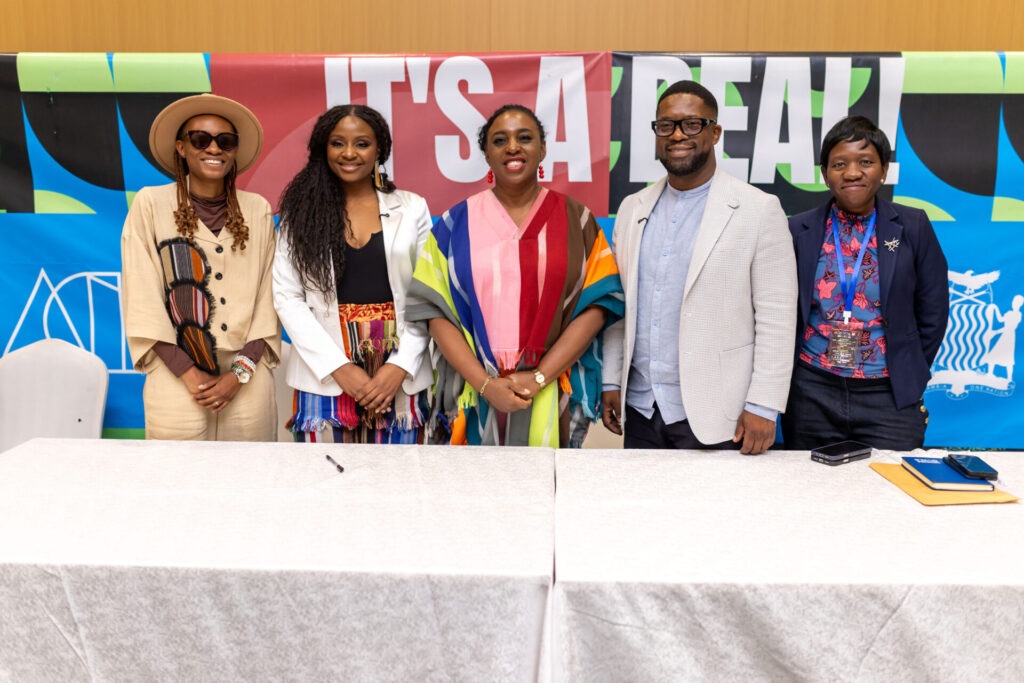
Those remarks established the central theme that echoed throughout ACM 2026: Africa possesses extraordinary creative talent, but sustained investment, enabling policies, stronger institutions and deeper collaboration will determine the future of the continent’s creative economy.
Investment and enterprise development emerged as major priorities during the Creative Capital Forum, where policymakers, financial institutions, entrepreneurs and ecosystem builders explored practical pathways to financing creative businesses and accelerating economic growth. Discussions highlighted the importance of expanding access to capital, strengthening entrepreneurial capacity, embracing technology and creating long-term support systems capable of transforming creative ventures into globally competitive enterprises.
The conversation extended into policy and legal reform through the Global Creative Legal Summit, where legal practitioners, policymakers and industry stakeholders examined intellectual property protection, collective rights management, cross-border licensing, artificial intelligence and opportunities presented by the African Continental Free Trade Area (AfCFTA). The summit also witnessed the unveiling of the African Creative Economy Lawyer (ACEL) initiative and the Entertainment & Creative Law Hub (ECLH), reinforcing efforts to strengthen the legal infrastructure supporting Africa’s creative industries.
Innovation remained a defining focus throughout the week. At the Creative Technology Summit, industry leaders explored how animation, immersive technologies, artificial intelligence and digital innovation are reshaping storytelling and expanding opportunities for African creators within the global digital economy. Earlier, The YouTube Economy: A Creator’s Roadmap to Revenue brought creators and digital entrepreneurs together to examine audience growth, platform monetisation and sustainable content businesses. Complementing these conversations, the Digital Creator Africa Summit challenged creators to move beyond viral success by building sustainable businesses through intellectual property, strategic partnerships, technological innovation and diversified revenue streams.
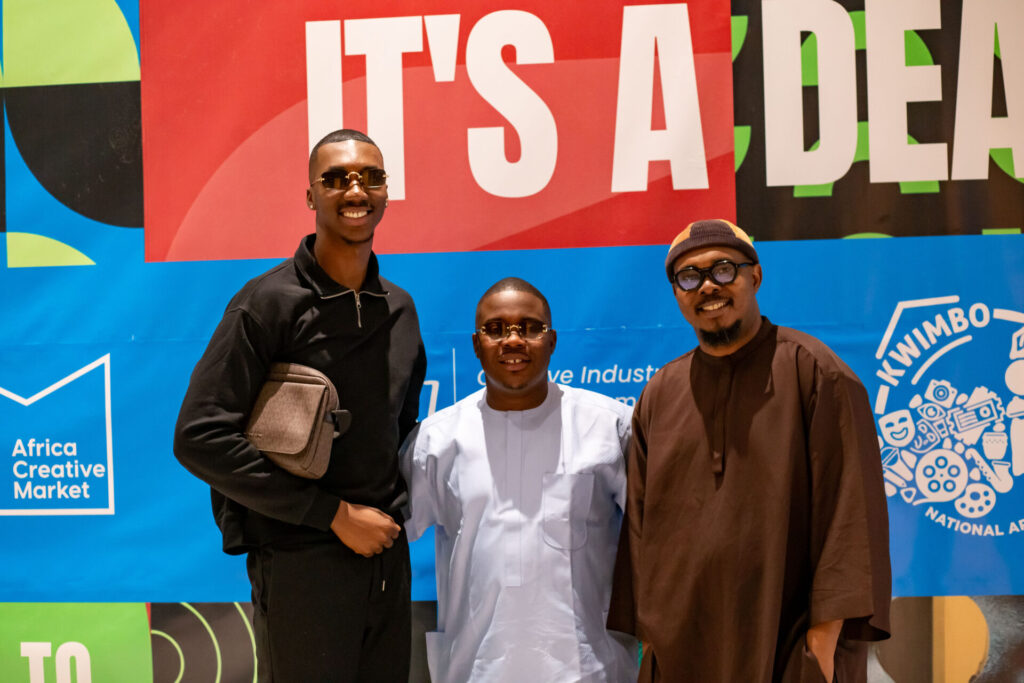
Across the visual arts, fashion, photography, film, theatre and music sectors, participants repeatedly returned to a common message: Africa’s cultural assets represent not only artistic excellence but also significant economic opportunity.
The Art. Craft. Commerce Summit explored how African visual arts can preserve cultural identity while embracing innovation and ethical creative practice. The Business of Photography Summit examined branding, commercial growth, storytelling and intellectual property, while the Women in Film & TV Africa Conference, Actor Spaces Summit, Theatre & Dance Session, Kingdom Film Festival and Distribution Summit brought together filmmakers, performers, producers and industry executives to address financing, leadership, talent development, audience access and the future of African storytelling.

One of the week’s defining moments came with the Zambian premiere of the feature film 77, drawing acclaimed actors, filmmakers, government officials, media professionals and cinema enthusiasts in a celebration of African storytelling and demonstrating the increasing momentum behind cross-border collaboration within the continent’s film industry.
Fashion also occupied a prominent place within the programme. Through the FashionEVO Summit and the FashionEVO Fashion Show & Awards, designers, manufacturers, investors, policymakers and fashion entrepreneurs examined opportunities in sustainable production, manufacturing, exports, innovation and investment, while showcasing the creativity, craftsmanship and commercial potential of contemporary African fashion before regional and international audiences.
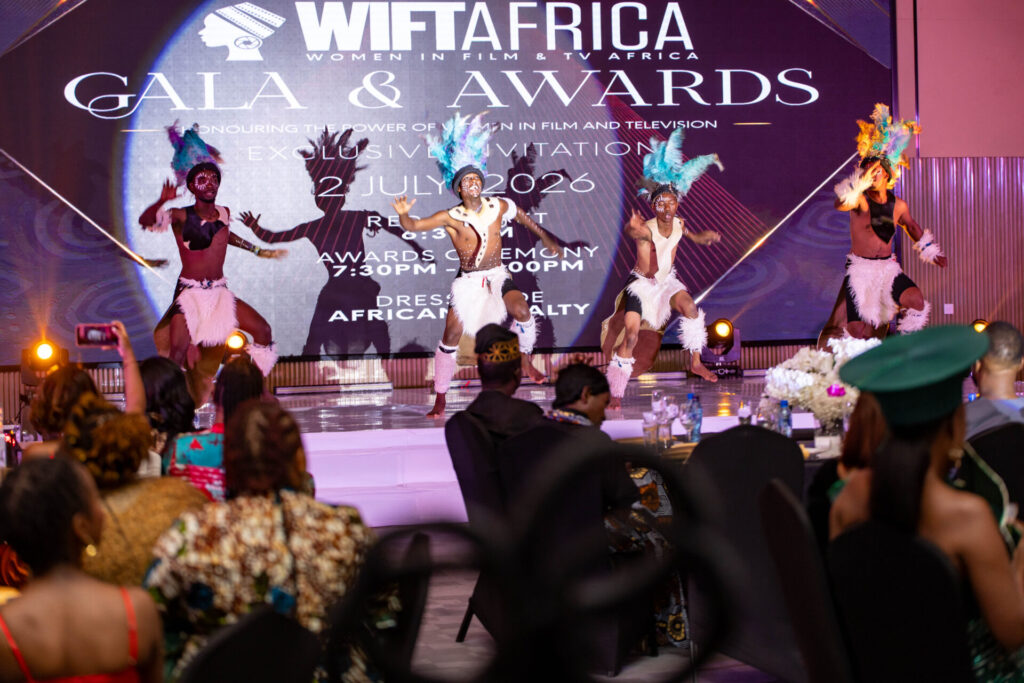
The week also celebrated excellence across the creative industries through the National Association of Media Arts (NAMA) Awards and Gala and the Women in Film & TV Africa Gala & Awards. Recognising that sustainable industries require healthy creative professionals, ACM 2026 also prioritised conversations around wellbeing through The Activated Creative, which encouraged participants to rethink success beyond productivity by addressing burnout, mental wellbeing, resilience and sustainable creative careers.
Beyond the conference halls, the Kwimbo National Arts Festival transformed Lusaka into a vibrant celebration of African culture, welcoming families, visitors, artists, artisans and entrepreneurs through music, dance, fashion, exhibitions and cultural performances that celebrated Zambia’s rich heritage while expanding public engagement with the creative economy.
The event concluded with the ACM Next Level Music Showcase, where ten emerging artists competed before industry professionals for career-defining opportunities. Philip Mweemba emerged as the overall winner, earning a cash prize alongside international music distribution and publishing support.
Beyond the conversations and showcases, ACM 2026 strengthened new relationships across the continent through collaborations involving programme partners, supporting organisations, exhibitors, media organisations and strategic stakeholders committed to advancing Africa’s creative industries. These partnerships further expanded opportunities for knowledge exchange, investment, market access and long-term institutional cooperation across multiple sectors of the creative economy.
As the curtains closed on the Lusaka edition, organisers described Africa Creative Market as far more than an annual event. It has become a continental platform where policy meets enterprise, culture intersects with commerce and partnerships evolve into long-term opportunities capable of shaping Africa’s creative future.
The conversations initiated, partnerships strengthened and collaborations forged throughout the week reflect a broader shift taking place across the continent. Africa’s creative economy is no longer defined solely by its cultural richness but increasingly by its capacity for innovation, investment and economic transformation.
With renewed momentum, stronger regional networks and a shared commitment to unlocking the full value of Africa’s creative industries, ACM 2026 leaves Lusaka not simply as the conclusion of a successful gathering, but as another decisive step in building a more connected, competitive and globally influential African creative economy.







Leave a Reply