

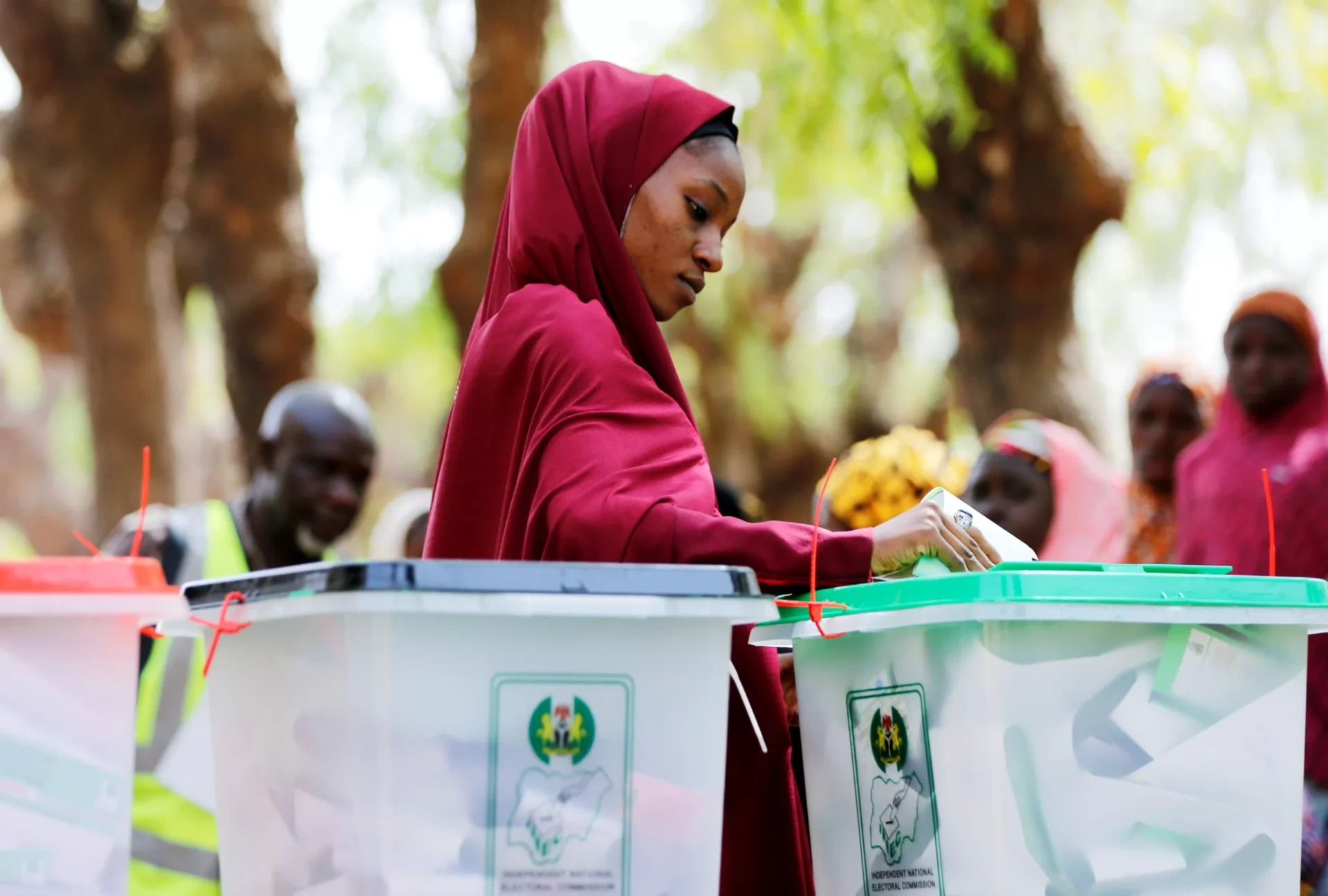

The Independent National Electoral Commission has officially announced the dates for Nigeria’s 2027 General Elections, setting the stage for what is expected to be one of the most closely watched political seasons in the country’s history.
According to the electoral body, the Presidential and National Assembly elections will hold on February 20, 2027, while the Governorship and State House of Assembly elections are scheduled for March 6, 2027.
The announcement provides early clarity for political parties, aspirants and voters across the country as preparations gradually begin ahead of the next electoral cycle.
By releasing the election timetable well ahead of time, INEC is aligning with its commitment to transparency, early planning and improved electoral logistics. The February 20 date will see Nigerians head to the polls to elect a new President, as well as members of the Senate and House of Representatives.
Two weeks later, on March 6, voters will return to elect governors and state lawmakers in states where governorship elections are due.
Political analysts say the staggered schedule allows INEC to better manage personnel deployment, security coordination and result collation processes. It also gives political parties adequate time to organize primaries, campaigns and voter engagement strategies in line with the Electoral Act.
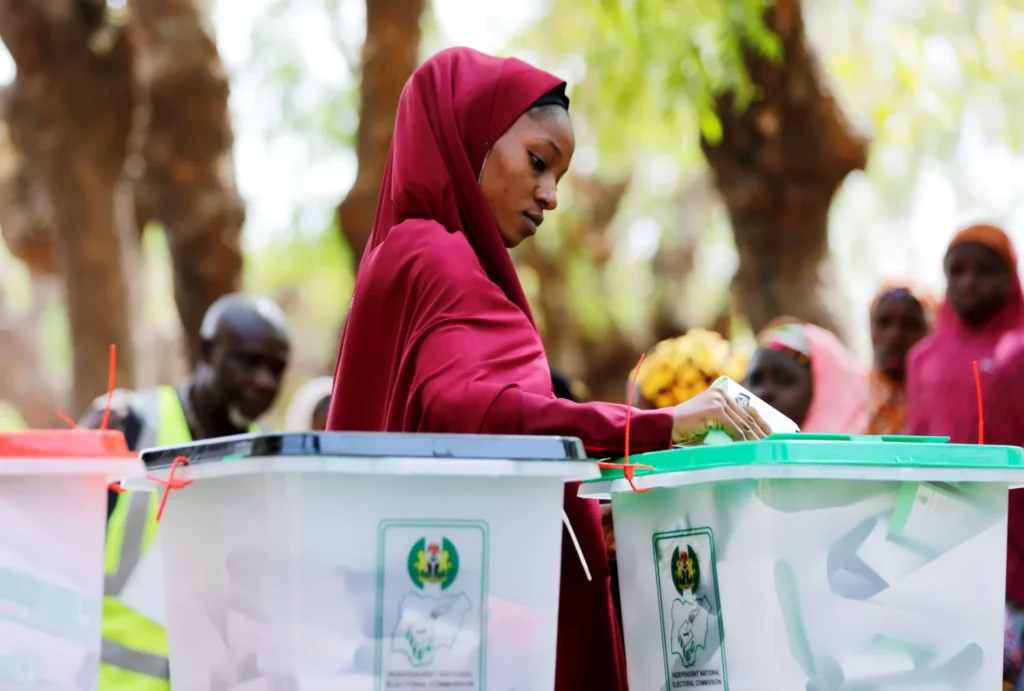
The 2027 elections are expected to attract strong participation from major political parties, emerging movements and independent candidates. As with previous cycles, issues such as economic reforms, security, youth inclusion and governance performance are likely to dominate campaign conversations.
INEC has repeatedly emphasized the importance of voter registration updates, Permanent Voter Card collection and compliance with electoral guidelines. The commission is also expected to continue leveraging technology in accreditation and result transmission, building on experiences from previous elections.
Stakeholders including civil society groups and election observers have welcomed the early announcement, noting that it provides ample time for civic education and awareness campaigns across Nigeria’s 36 states and the Federal Capital Territory.
With the dates now public, internal consultations and strategic alignments within political parties are expected to intensify. Incumbent office holders seeking re election and new aspirants planning to enter the race will likely begin grassroots mobilization in earnest.
The presidential race in particular is expected to draw national and international attention, given Nigeria’s position as Africa’s most populous nation and largest economy.
Security agencies are also expected to collaborate closely with INEC to ensure peaceful conduct of the polls. In previous elections, logistics, voter turnout and security concerns have played significant roles in shaping public perception of the process.
As the countdown to February 20 and March 6, 2027 begins, Nigerians across the country will be watching developments closely. The coming months will likely see heightened political activities, policy debates and campaign messaging as aspirants prepare to present their visions for the country’s future.
INEC has assured citizens of its commitment to delivering credible, transparent and inclusive elections, urging eligible voters to participate actively in the democratic process.









Leave a Reply