


For the first time since 1863, three major global observances are unfolding within the same period. Ramadan, Lent and the Lunar New Year are all taking place around the same time, creating a rare convergence across Islam, Christianity and East Asian cultural traditions.
According to historical calendar alignments, this unique overlap has not occurred in over 160 years and is not expected to happen again until 2189. The moment has sparked conversations online as people reflect on the significance of faith, culture and shared timelines in a diverse world.
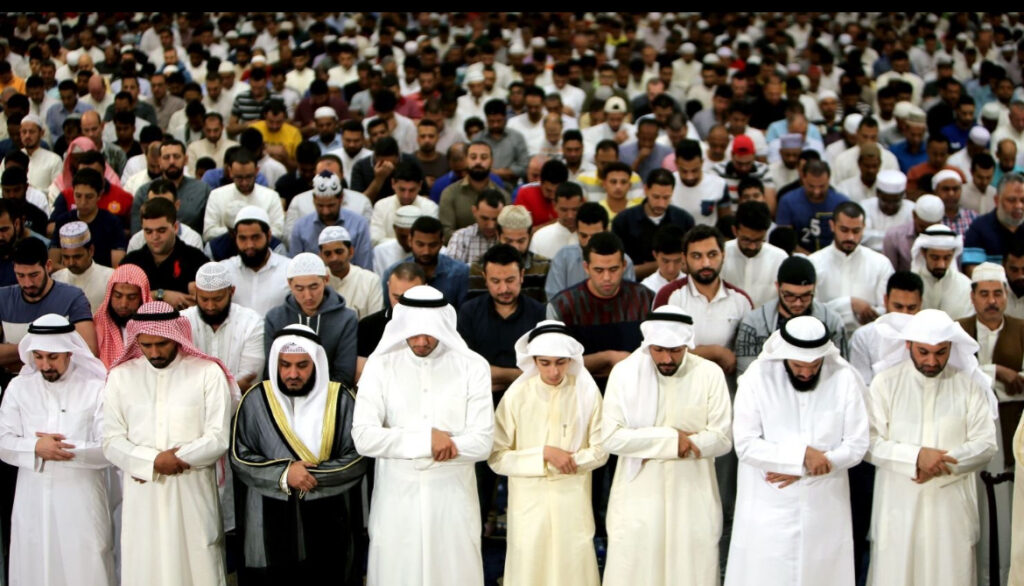
Ramadan is the ninth month of the Islamic calendar, observed by Muslims worldwide as a period of fasting, prayer and reflection. The start of Ramadan depends on the sighting of the crescent moon and follows the lunar Hijri calendar, which shifts approximately 10 to 11 days earlier each year on the Gregorian calendar.
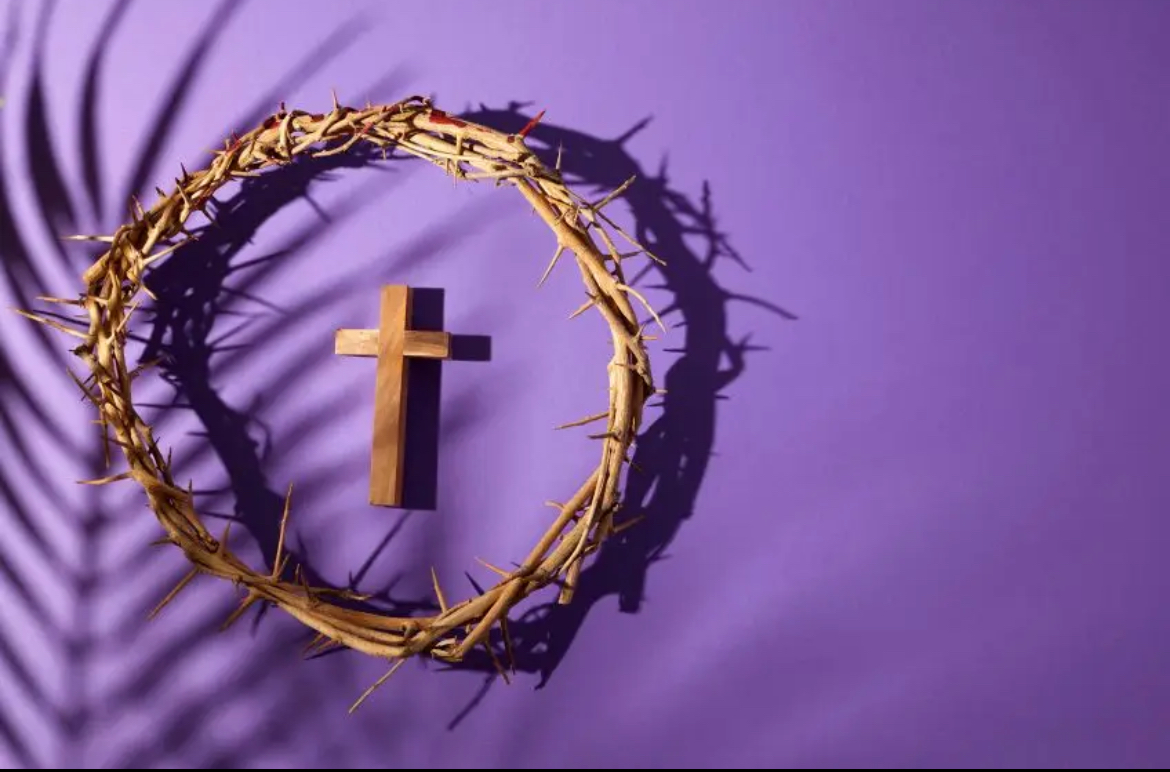
Lent, observed by millions of Christians across denominations including the Catholic and Anglican traditions, began on Ash Wednesday and runs for 40 days leading up to Easter. It is marked by fasting, repentance and spiritual discipline. This year, Lent began in mid February, placing it in close proximity to Ramadan’s commencement.
The Lunar New Year, widely celebrated in countries such as China, Vietnam and South Korea, also follows a lunar calendar system. While it typically falls between late January and mid February, the extended festive season often overlaps with other global events depending on the year.
The convergence of these three observances is rare because they are based on different calendar systems. Ramadan follows the Islamic lunar calendar, Lent is tied to the Christian liturgical calendar and Easter calculations, while the Lunar New Year follows the traditional lunisolar calendar used in many Asian cultures. The shifting nature of these systems makes simultaneous alignment uncommon.
Across social media platforms, users have described the moment as symbolic and historic. Many have pointed out that millions of people around the world are engaging in acts of fasting, prayer, reunion and celebration at the same time, albeit for different spiritual and cultural reasons.
Faith leaders have also noted the opportunity for interfaith dialogue and understanding. With Muslims observing daily fasts from dawn to sunset, Christians committing to sacrifice and reflection during Lent, and families gathering to mark the Lunar New Year, the shared timeline highlights the diversity of global traditions.
Historians confirm that the last time this triple overlap occurred was in 1863, during a very different era in global history. Based on astronomical projections and the mechanics of lunar and liturgical calculations, experts estimate that the next similar alignment will not take place until 2189.
While each observance retains its unique meaning and practice, this rare calendar moment serves as a reminder of how interconnected global timelines can be. In homes, mosques, churches and cultural centres around the world, communities are marking sacred traditions simultaneously, creating an extraordinary intersection of faith and culture.









Leave a Reply