


Nigeria’s largest telecommunications operator, MTN Nigeria, has disclosed that its network suffered 9,218 fibre‑optic cable cuts in 2025, a development that significantly disrupted mobile and internet services across the country. The figure was revealed by MTN Nigeria’s Chief Executive Officer, Karl Olutokun Toriola, in a year‑end review of the company’s operations.
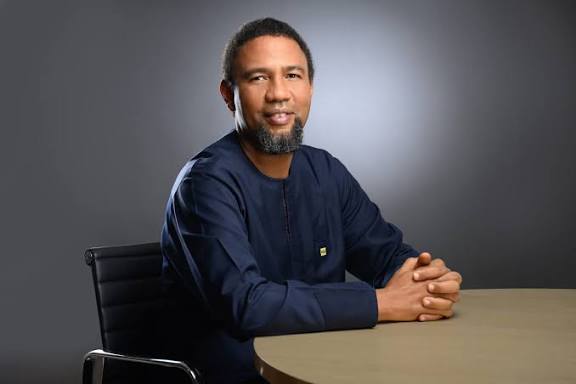
In his summary of MTN Nigeria’s performance last year, Toriola acknowledged that the high number of fibre cuts posed major challenges for the company and its customers. Fibre‑optic cables are essential for transmitting data and voice traffic across the network. Repeated cuts, arising largely from theft, vandalism, and construction activities, weakened service delivery in multiple parts of the country.
MTN Nigeria reported that, in addition to the thousands of fibre cuts, 211 of its telecommunications sites were affected by theft and vandalism as of November 30, 2025. These incidents interrupted service availability, leading to widespread complaints from users who depend on MTN’s network for communication, financial transactions, entertainment, and business operations.
Throughout 2025, the company handled more than 1.6 million customer complaints across its call centres, social media channels, emails, and physical service centres. Toriola said that while the volume of complaints reflected real challenges in service quality, MTN remains committed to addressing customer concerns and enhancing network resilience.
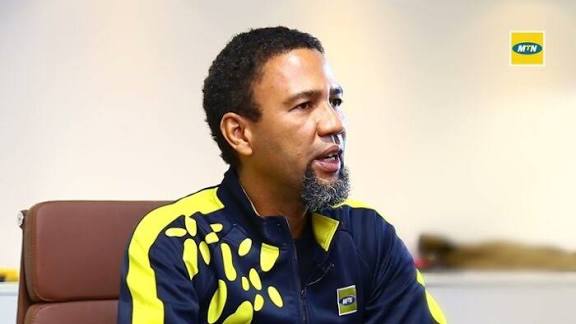
Toriola shared these insights in a LinkedIn post titled “MTN Nigeria 2025 Wrapped”, where he also reflected on the company’s overall performance, acknowledging that the network fell short of customer expectations in some areas. He reiterated MTN’s responsibility to listen to users and improve the customer experience.
Telecommunications analysts say the surge in fibre cuts underscores deeper infrastructure problems in Nigeria. The country’s telecom backbone is vulnerable because many fibre‑optic routes run above ground and through urban, peri‑urban, and rural areas without adequate protection. Road construction, utility projects, and poor coordination between agencies often result in accidental damage to cables. In other cases, deliberate theft and vandalism directly target critical infrastructure.
Industry experts have described the high count of cuts as indicative of systemic challenges facing the telecommunications sector, noting that network disruptions hurt customer experience and raise operating costs for telecom companies. The frequent loss of connectivity can affect not only individual users but also businesses, schools, hospitals, and government services that rely on stable data and voice networks.

MTN Nigeria has been involved in efforts to improve network protection. In February 2025, the Federal Ministry of Works and the Federal Ministry of Communications, Innovation, and Digital Economy established a joint standing committee on the protection of fibre‑optic cables to help reduce network vandalism nationwide.
Despite the setbacks, MTN Nigeria recorded key operational strengths in 2025. The company reached 85 million subscribers by September 2025, maintaining its position as one of the largest telecommunications operators in Africa. It also secured recognition from network performance benchmarking platforms and returned to profitability after past financial pressures.
Toriola highlighted that while MTN is proud of areas of progress, the company recognizes it still has work to do. “We are not where we want to be yet,” he said, affirming MTN’s focus on placing customers at the centre of business decisions and continuing to invest in network improvements.
As MTN prepares to mark its 25th anniversary in Nigeria in 2026, the company’s leadership has reiterated its commitment to strengthening infrastructure, minimising service disruptions, and working with government agencies to protect telecom assets across the country.






Leave a Reply