

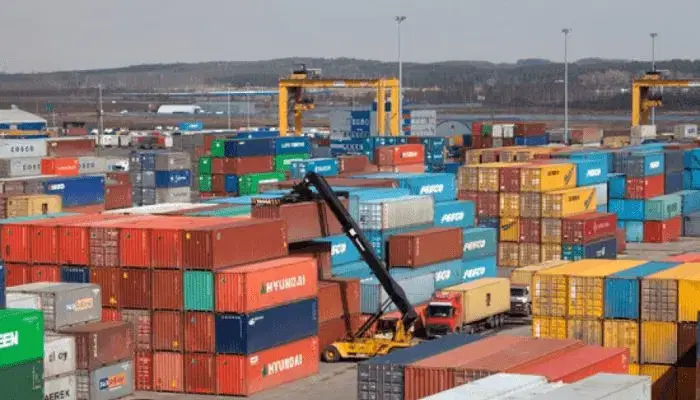

Nigeria has recorded a notable 14% increase in exports to African countries in the first half of 2025. According to the National Bureau of Statistics (NBS), total exports to the continent reached ₦4.82 trillion, up from ₦4.21 trillion during the same period in 2024. This growth reflects Nigeria’s strengthening trade relationships within the continent and its expanding role in regional commerce.
The West African region remains Nigeria’s largest trading partner, absorbing more than 62% of the country’s African exports. Member states of the Economic Community of West African States (ECOWAS) imported goods worth about ₦2.995 trillion, representing a 16% year-on-year increase. This trend demonstrates Nigeria’s growing influence in the regional market and highlights the increasing importance of trade within Africa.
Petroleum products, particularly fuel, dominate Nigeria’s exports to African nations, totaling nearly ₦298 billion. While energy products remain the main export driver, analysts note that this growth opens opportunities for Nigeria to diversify its export goods across the continent. Efforts to promote non-oil products could further strengthen Nigeria’s position as a key trading partner in Africa.
Despite the strong rise in exports, Africa accounts for only about 10% of Nigeria’s total exports, estimated at ₦43.3 trillion in the first half of 2025. Europe leads as Nigeria’s largest export market with ₦17.3 trillion, followed by Asia at ₦14.1 trillion and the Americas at ₦6.9 trillion. This shows that while African trade is growing, there remains significant potential for expansion within the continent.
To further boost trade, Nigeria has leveraged the African Continental Free Trade Area (AfCFTA) framework, including tariff concessions and the creation of a dedicated air freight corridor to East Africa. These measures aim to reduce logistics costs by up to 75% and make Nigerian products more competitive in regional markets. Experts believe that such initiatives will be critical in enhancing Nigeria’s export potential, especially for non-oil products, and ensuring sustainable growth in intra-African trade.
The 14% rise in exports highlights Nigeria’s increasing influence in Africa and its potential to grow beyond traditional markets. With continued investment in infrastructure, trade facilitation, and diversification, Nigeria is positioned to strengthen its role as a leading trade partner across the continent.






Leave a Reply