

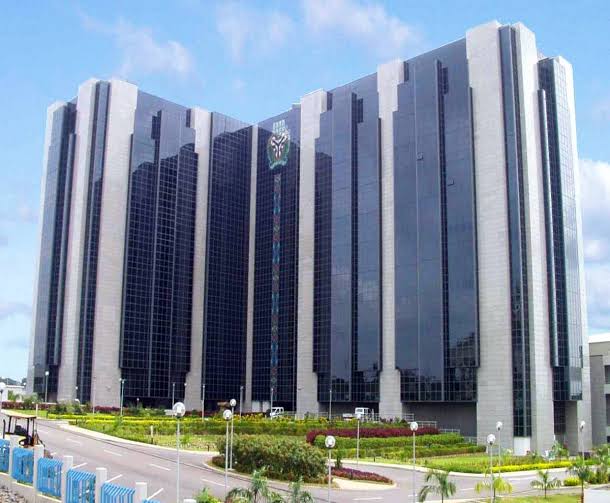

The Central Bank of Nigeria (CBN) has unveiled a far-reaching regulatory framework designed to address the country’s persistent cash access challenges and reduce Nigerians’ growing dependence on Point-of-Sale (PoS) agents. The new Guidelines on ATM Operations introduce strict requirements that will significantly reshape how banks deploy and manage Automated Teller Machines (ATMs) across the country.
At the heart of the policy is a new ATM density ratio, which mandates that all card-issuing banks must provide at least one ATM for every 5,000 payment cards issued. This rule directly targets the long-standing “ATM drought” that has left many Nigerians stranded, forcing them to rely on PoS agents who often charge high withdrawal fees and operate with limited cash availability.
For years, the number of payment cards in circulation has grown rapidly, while ATM deployment has failed to keep pace. The result has been frequent ATM downtimes, long queues, empty machines, and widespread frustration among bank customers. By enforcing a clear ATM-to-card ratio, the CBN aims to restore balance to the cash distribution system and improve customer experience.
To ensure smooth implementation, the apex bank has adopted a phased compliance timeline. Banks are expected to meet 30 percent of the required ATM deployment by 2026, 60 percent by 2027, and achieve full compliance by 2028. This gradual approach gives financial institutions time to plan investments, expand infrastructure, and manage operational costs without disrupting services.
Beyond increasing ATM numbers, the guidelines also focus heavily on consumer protection and service quality. Banks are required to ensure that ATM technical downtime does not exceed 72 consecutive hours. Failed transactions must be refunded promptly, with stricter timelines introduced to protect customers from prolonged debit errors.
The framework also promotes financial inclusion and accessibility. A portion of deployed ATMs must be designed to support persons with visual impairments, while banks are encouraged to extend ATM services to underserved and rural areas, not just major cities and commercial centers.
Security is another major pillar of the new rules. ATMs must meet global security and data protection standards, including anti-skimming measures, surveillance, and proper location planning to safeguard users and their funds.
While banks may face higher deployment and maintenance costs, industry experts believe the long-term benefits outweigh the challenges. Improved ATM access could reduce pressure on PoS agents, lower transaction costs for consumers, and rebuild public confidence in Nigeria’s banking infrastructure.
Ultimately, the CBN’s new ATM guidelines signal a decisive push toward better cash accessibility, stronger regulation, and a more balanced payment ecosystem for millions of Nigerians.









Leave a Reply