

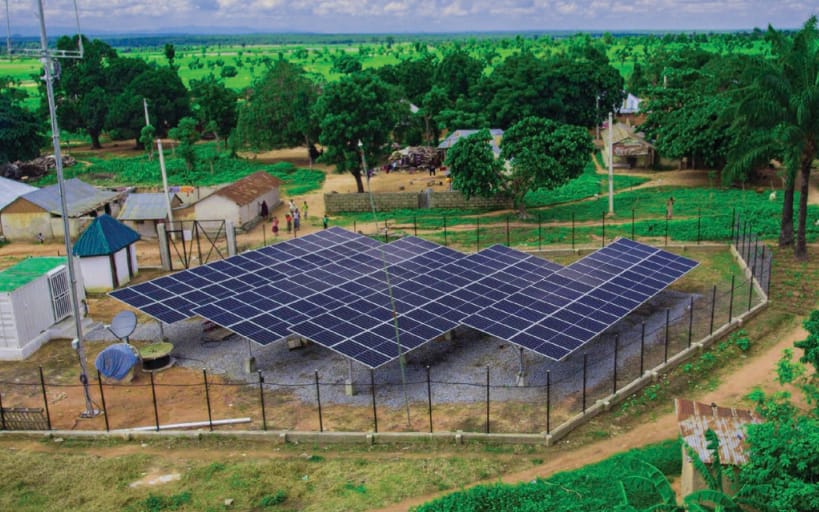

Nigeria’s push for improved electricity access has received a major boost as the Rural Electrification Agency (REA) and Lotus Bank advance plans to deepen renewable energy financing through a dedicated funding structure. The initiative is set to operate under the Distributed Access through Renewable Energy Scale-up (DARES) programme and is designed to accelerate clean energy deployment nationwide.
According to a statement released on Sunday, the move followed a recent high-level meeting between the leadership of both institutions. The discussions signaled a clear transition from fragmented, project-based financing to a more coordinated and large-scale financial framework that can drive meaningful impact across the country’s energy landscape.
The Managing Director of the REA, Abba Aliyu, emphasized the need for a more ambitious financing strategy if Nigeria’s energy transition is to succeed. He challenged Lotus Bank to take a decisive step by defining a clear global funding target for the proposed facility, noting that small pilot projects alone cannot deliver the scale required to address Nigeria’s energy deficit.

Aliyu stressed that the proposed funding structure must be supported by robust internal standards and a design that allows renewable energy developers to expand rapidly. According to him, scaling operations across underserved and unserved communities requires deliberate financing mechanisms that go beyond experimentation and enable long-term growth.
He noted that intentional, large-scale funding is critical for moving the sector from isolated pilot interventions to widespread, sustainable impact. In his view, such an approach would empower developers to deploy renewable energy solutions faster and more efficiently across rural and peri-urban areas.
Lotus Bank, which has already been involved in financing several DARES-related projects, is expected to formalize its commitment by establishing a standalone financing window dedicated solely to renewable energy. This move would institutionalize the bank’s role in supporting clean energy deployment and provide developers with more predictable access to capital.
The partnership highlights a broader shift within Nigeria’s financial sector, as more banks begin to view renewable energy not just as a social responsibility initiative, but as a viable and bankable investment opportunity. This evolving perspective is seen as crucial to attracting private capital into the energy access space.
Both organisations are currently working toward signing a Memorandum of Understanding (MoU) to formally cement the partnership. Once finalized, the agreement is expected to unlock structured financing capable of significantly accelerating the rollout of renewable energy solutions across the country.
The REA expressed confidence that the collaboration would serve as a template for other commercial banks, encouraging wider private-sector participation and helping to close Nigeria’s long-standing electricity access gap through sustainable financing models.









Leave a Reply