


More than 13,635 Nigerians who found themselves stranded abroad have been safely returned to the country from ten different nations over the past three years, a new report shows. The data, compiled from official sources including the International Organisation for Migration (IOM), the National Emergency Management Agency (NEMA) and the Nigerians in Diaspora Commission (NiDCOM), highlights the scale of humanitarian repatriation efforts in recent times.
According to the figures, the returnees came home from a range of countries across Africa and the Middle East, often after facing hardship, unsafe conditions, or an inability to sustain themselves due to economic or security challenges. The breakdown shows varied numbers of repatriations each year, reflecting ongoing efforts by government and international partners to bring Nigerians back safely.
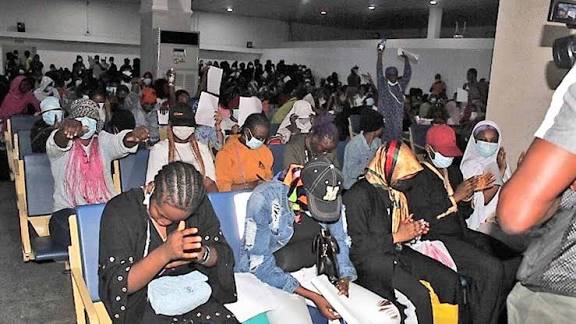
In 2025, a total of 3,358 Nigerians were evacuated from five countries. The largest group came from Libya (1,773), followed by 1,188 from the Niger Republic, 140 from Sudan, 153 from Chad, and 104 from Algeria.
The previous year, 2024, saw 4,261 nationals returned home from seven nations. Among them were people from Libya (1,821), the Niger Republic (1,088), Chad (673), Mali (338) and other countries, highlighting persistent migration challenges across the region.
The highest figure within the three‑year period came in 2023, when 5,753 Nigerians were repatriated from four countries. Most of those returned were from Sudan (2,849), Libya (1,916) and the Niger Republic (975), with a small number from Saudi Arabia (13).
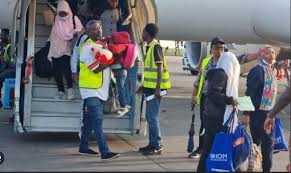
These operations were often conducted through coordinated efforts involving Nigeria’s missions abroad, international organisations, and specialised agencies responsible for protecting citizens in distress.
What “Stranded” Means
People are typically identified as “stranded” when they are unable to sustain themselves, lack valid travel documents, or cannot continue their intended stay due to circumstances such as job loss, expired visas, conflict or lack of resources. Many migrants attempt to reach countries in Europe, the Middle East, or North Africa in search of better economic opportunities or work, often via irregular routes that can expose them to risks including exploitation, trafficking, detention or abandonment.

The Federal Government, through the Ministry of Foreign Affairs, regularly issues warnings to would‑be migrants about the dangers of irregular migration and the importance of verifying overseas job offers through official channels. Spokespersons for the ministry have continued to stress that legal and regulated migration remains safer and more sustainable for Nigerians seeking opportunities abroad.
Young people, especially, are often encouraged to explore avenues like formal work visas, student programmes, or regulated employment opportunities rather than relying on unverified channels that can lead to vulnerable situations overseas. Officials say this approach not only protects individuals but also safeguards families and communities from the emotional and financial hardships of distress abroad.
Returning home can be an emotional experience for those involved. Many arrive with little more than the clothes they wore when departing, having spent months or years trying to survive in unfamiliar environments. Agencies such as NEMA and IOM frequently provide on‑arrival support services, including biometric registration, health checks, temporary shelter, counselling and safe transit back to family communities.
Efforts like these reflect broader humanitarian priorities and Nigeria’s commitment to ensuring that citizens in difficulty abroad are brought back with dignity, protected under national law, and given a chance to rebuild their lives.
The three‑year repatriation total underscores the ongoing challenge of irregular migration and highlights the value of international cooperation in responding to humanitarian needs affecting Nigerian citizens outside the country.









Leave a Reply