


The Ibadan Electricity Distribution Company (IBEDC) has confirmed that many customers across Oyo, Kwara, Ogun, Osun, and parts of Ibadan are experiencing intermittent power supply as a result of a drop in national grid allocation. The company explained that this reduction in electricity available to distribute is the main reason for irregular power hours and extended outages seen over the past week.
In a statement issued on Wednesday, IBEDC acknowledged the frustration felt by residents, businesses, and institutions affected by the ongoing disruption. The distribution company said it understands the inconvenience caused and is actively working to address the instability with key grid partners.
According to the announcement, reduced power supply national grid allocation has limited the volume of electricity IBEDC can distribute across its franchise area. This means customers in urban and rural communities have been hit by inconsistent supply patterns, with some areas going hours without electricity.
What IBEDC Says About the Grid Drop
IBEDC’s public notice explained that the supply problems stem from a decrease in the grid allocation that the company receives from the Transmission Company of Nigeria (TCN) and the Nigerian Independent System Operator (NISO). These agencies are responsible for determining how much electricity each Distribution Company, including IBEDC, gets from the national grid.
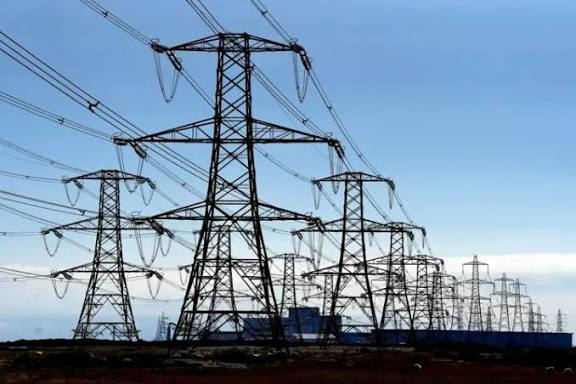
A spokesperson for IBEDC said the unpredictable supply is not unique to its network and is linked to broader challenges impacting the nation’s power infrastructure. According to the company, the reduction in grid allocation means less electricity is available to distribute, reducing the hours that customers receive public power.
The drop in grid allocation aligns with recent reports showing that electricity generation on Nigeria’s national grid has fallen below expected levels due to gas supply constraints affecting thermal generating plants. The Nigerian Independent System Operator confirmed that power output on some days this week dropped below 3,500 megawatts, partly due to disruptions in gas delivery caused by pipeline issues and other operational challenges.
IBEDC explained that while it cannot produce electricity itself, it remains committed to collaborating with grid operators to improve stability. The company said it is engaging with TCN and NISO to understand grid fluctuations and find ways to improve allocation back to previous levels.
The effects of the reduced power supply have been felt by households and businesses. Many residents in the affected states have taken to social media to voice frustration at frequent outages and limited hours of electricity. Some small business owners say their operations are being disrupted, leading to increased costs as they rely on generators to fill the gap.
Electricity consumers have said they hope the government and power sector stakeholders will act quickly to restore reliable grid allocation so that power distribution companies like IBEDC can meet demand more consistently. Individuals in Ibadan and surrounding towns reported seeing power for only a few hours each day, sometimes concentrated in late evenings.
While IBEDC continues to apologise for the situation, it emphasised that it can only distribute what it receives from the grid. This means that until the national generation picks up or allocation strategies improve, customers may continue to experience reduced power supply national grid allocation challenges.









Leave a Reply