

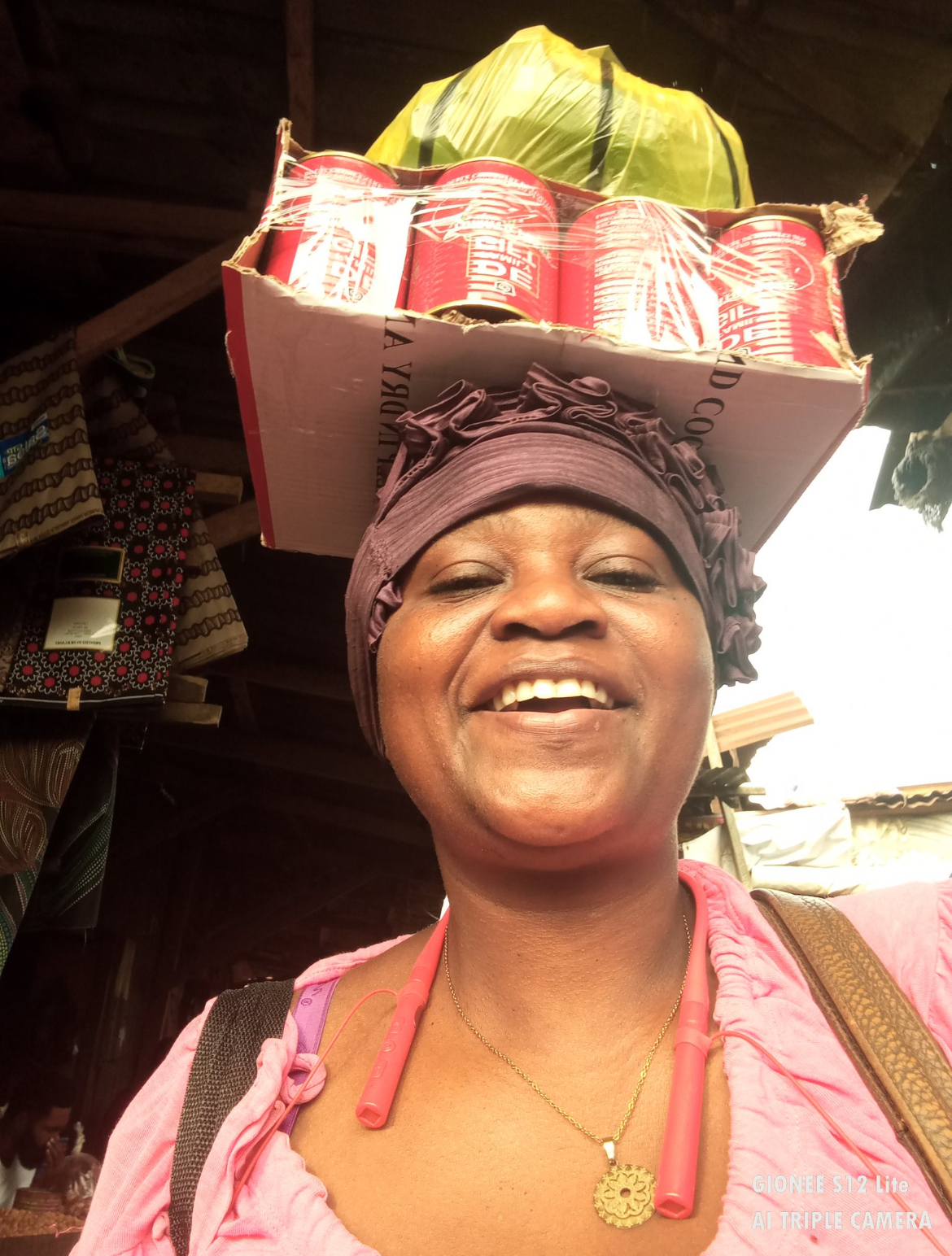

Social media has erupted with emotional reactions after reports emerged that Aunty Esther, a woman who recently received widespread public donations for her cancer treatment, allegedly refused a medically recommended blood transfusion. The refusal is believed to stem from her faith as a Jehovah’s Witness, a Christian denomination known for its long standing doctrine against accepting blood transfusions.
Aunty Esther became a viral sensation earlier this month after a campaign was launched to help fund her cancer treatment. Nigerians from home and abroad contributed generously, with many feeling moved by her courage and her daughter’s online appeal for financial support. The fundraising was widely shared, and donors expressed relief when it seemed that she had finally begun receiving care.

However, a new twist developed at the weekend when reports surfaced that Aunty Esther declined a blood transfusion that her doctors reportedly recommended as part of her treatment plan. The news immediately spread across X and Instagram, sparking mixed reactions ranging from confusion to anger to calls for understanding.
Donors Demand Clarification and Refunds
A segment of the public expressed frustration, stating that their donations were given under the assumption that all medically necessary procedures would be accepted. Several donors wrote that they felt blindsided and demanded clarity before further contributions were made.


Some commenters insisted on refunds, explaining that they donated in hopes of maximizing her chances of survival, and were disappointed to learn that a major part of the recommended treatment was not being considered. A few also questioned why the family did not disclose her faith-based restrictions during the fundraising process, noting that such information might have influenced public expectations.
Others, however, argued that faith-based medical decisions should be respected. They pointed out that Jehovah’s Witnesses worldwide are known to decline blood transfusions and that there are alternative treatment approaches often explored within that belief system. They encouraged people to remain respectful and allow the family to navigate the situation according to their conscience and faith.

Amid the debate, many Nigerians emphasized the importance of respecting patient autonomy. Supporters wrote that Aunty Esther’s beliefs did not invalidate her need for support and that donations were given out of compassion, not control. They reminded critics that medical decisions can be deeply personal and that faith often plays a powerful role for people in vulnerable situations.
Some shared personal experiences with relatives who belonged to the same denomination, explaining how such decisions are guided by long-held teachings. They urged the public not to condemn her but to remain supportive of whichever alternative medical options her doctors believe are viable.
As of the time of writing, Aunty Esther’s family has not released any statement addressing the transfusion reports. People close to the situation say the family is overwhelmed and trying to manage both medical updates and the sudden wave of public pressure.
Nigerians continue to hope for positive news regarding her health, even as the online debate grows louder. What remains clear is that her story has touched thousands, and the public is watching closely for further updates about her treatment plan and the next steps her doctors may recommend.








Leave a Reply