

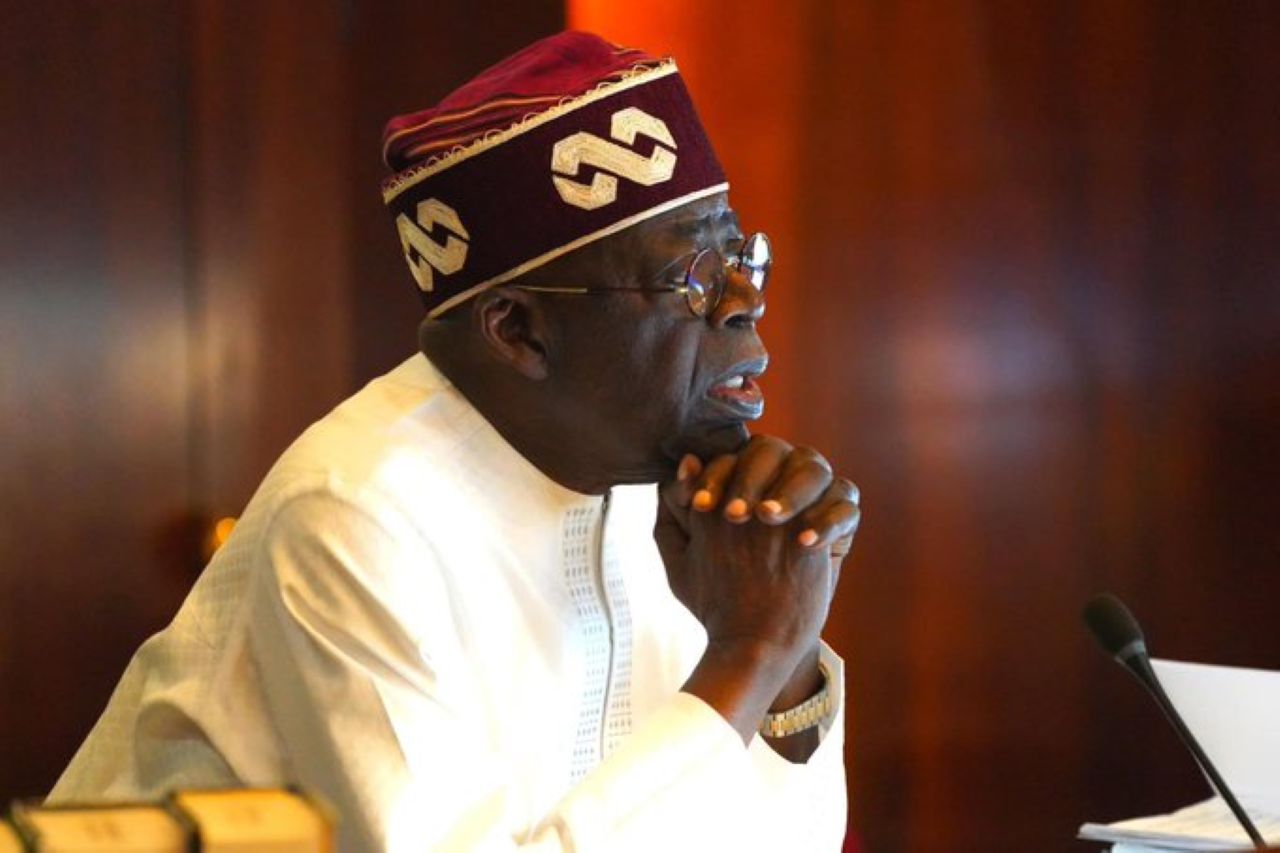

President Bola Ahmed Tinubu has taken a firm stand against the growing use of private military and security companies in conflict zones across Africa. Speaking at the 7th AU-EU Summit in Luanda, Angola, the president warned that outsourcing security functions to such contractors weakens national sovereignty and makes coordinated counter-terrorism efforts more difficult.
According to Tinubu, foreign private military firms often create parallel command structures that sideline state authorities. He argued that many of these companies operate without transparent oversight, which can undermine a country’s control over its own security.
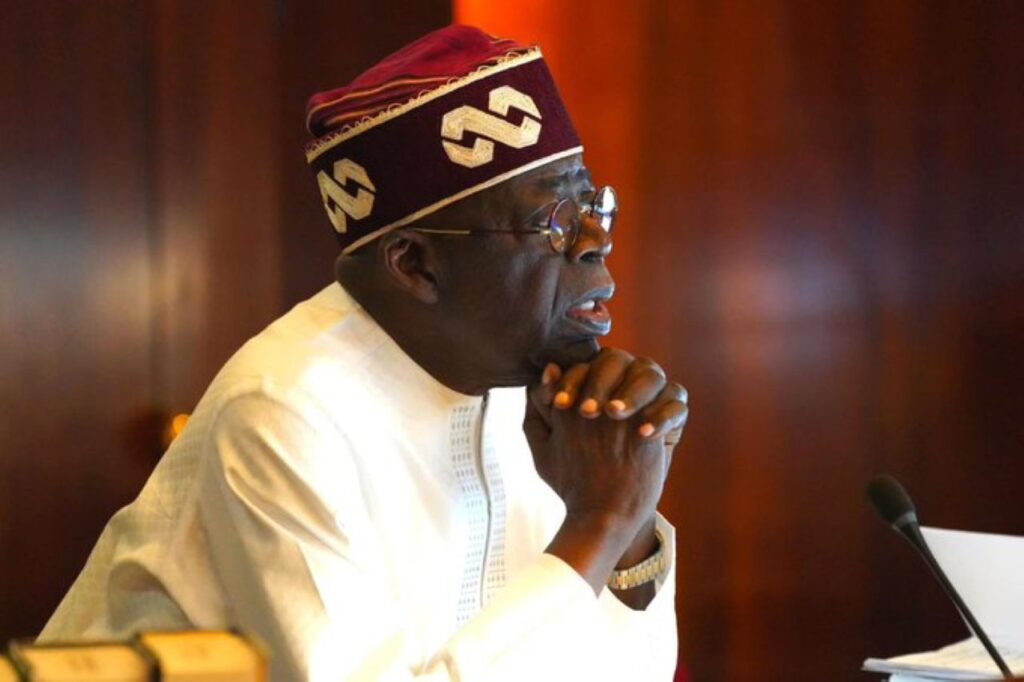
Speaking through Nigeria’s delegation at the summit, Tinubu also called for greater African-led security solutions. He emphasized that sustainable peace on the continent must be co-created by African nations, not imposed from external actors.
Tinubu: “I Will Not Relent” in Ensuring Nigeria’s Security
In a message to Nigerians on social media, President Tinubu reinforced his commitment to the country’s security. He reminded citizens that he had cancelled his trip to the G20 summit in order to stay in Nigeria and coordinate domestic efforts. He said his administration is closely monitoring the national security landscape and working with front-line forces to keep Nigerians safe.
In his post, he wrote:
“Thanks to the efforts of our security forces … all the 38 worshippers abducted in Eruku, Kwara State have been rescued. I am equally happy that 51 out of the missing students of the Catholic School in Niger State have been recovered. I am closely monitoring the security situation nationwide … Every Nigerian … has the right to safety — and under my watch, we will secure this nation and protect our people.”
By linking these rescue operations to his refusal to rely on private military contractors, Tinubu made a clear argument: state-led security is essential for protecting lives and maintaining sovereignty.
Mixed Reactions as Tinubu Stakes a Security Vision
Tinubu’s remarks have sparked debate among African leaders, security experts and civil society. Some analysts welcome his call for African-led solutions, saying it strengthens the continent’s ability to shape its own future. They point to his embrace of regional coalitions, such as the Multinational Joint Task Force (MNJTF) in the Lake Chad Basin, as a viable model for cooperative security.
On the other hand, critics argue that outright rejection of private military firms could limit options for rapidly scaling responses to urgent threats. They warn that developing the capacity to fully rely on state forces will take time and may require significant investment.
Still, many view Tinubu’s stance as bold and principled. By rejecting contractors, he is pushing for a security architecture that centers African agencies and norms. As he put it, peace initiatives should be “anchored in African-led frameworks” if they are to succeed.








Leave a Reply