



Fela Anikulapo-Kuti remains one of Nigeria’s most iconic musicians and fearless social critics, and his influence still stirs passionate debate today; especially in discussions comparing his legacy with modern stars like Wizkid. To understand why Seun Kuti and many fans feel deeply protective of Fela’s place in history, it helps to appreciate the depth of his life, art, and activism.
Here are 12 fascinating things you might not know about Fela:
1. He Was Born Into a Political Family: Olufela Olusegun Oludotun Ransome-Kuti was born in Abeokuta, Ogun State, on October 15, 1938, into a family known for educational and political activism. His mother, Funmilayo Ransome-Kuti, was a renowned women’s rights leader.
2. Music Didn’t Start as His First Plan: Fela initially went to London to study medicine, but he switched paths to study classical music and trumpet at Trinity College of Music, where his worldview began to expand.
3. He Created Afrobeat:While other musicians experimented with rhythm and soul, Fela is widely credited as the principal architect of Afrobeat; a genre blending Yoruba rhythms, jazz, funk, highlife, and Nigerian percussion.
4. His Music Was a Weapon Against Oppression: Songs like Zombie, Coffin for Head of State, and Sorrow, Tears and Blood weren’t just hits; they were loud, rhythmic confrontations with corruption and military rule in Nigeria.
5. He Once Ran for President: Beyond music, Fela tried to enter formal politics. In 1979, he founded his own political party, the Movement of the People, and ran for Nigeria’s presidency, pushing his message of social change.
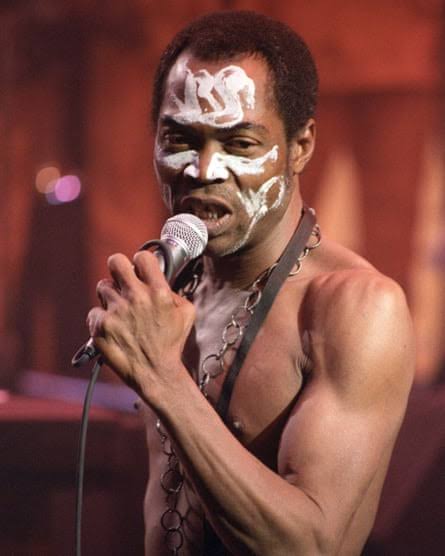
6. Fela’s Shows Were Legendary Social Events: His concerts at the Afrika Shrine were part music spectacle, part political gathering; long, energetic performances that became forums for collective expression.
7. He Declared His Home a Republic: The Kalakuta Republic was Fela’s self-declared independent commune (a home, studio, and community space) where he and his followers lived outside the control of Nigeria’s government.
8. The Military Burned It to the Ground: In 1977, soldiers attacked Kalakuta, burning it down and brutally assaulting its residents. Fela’s elderly mother was thrown from a window during the raid and later died from her injuries.
9. He Reinvented His Own Name: Rejecting what he called his “colonial” surname “Ransome,” Fela adopted “Anikulapo,” meaning “he who carries death in his pouch” a symbolic declaration of fearlessness.
10. He Was Arrested Hundreds of Times: Fela’s confrontational lyrics, unfiltered speeches, and open rebellion against authority led to him being arrested more than 200 times by the Nigerian state.
11. His Personal Life Was As Colourful As His Music: In 1978, Fela married 27 women in a single ceremony; many of whom were members of his performance troupe as part of his challenge to social norms.
12. His Global Impact Endures Today: Fela didn’t just change Nigerian music. Afrobeat has influenced artists around the world, and exhibitions, reissues, and stage productions like the Broadway show keep his story alive. His sons, Femi and Seun Kuti, continue to champion Afrobeat’s spirit.
Fela’s life was not just about music. It was about confronting injustice, uplifting the marginalized, and using art as a tool for societal transformation. That’s a legacy very different from the commercial success many modern artists enjoy and it’s at the heart of debates about artistic purpose and authenticity in Nigerian music today.









Leave a Reply